

















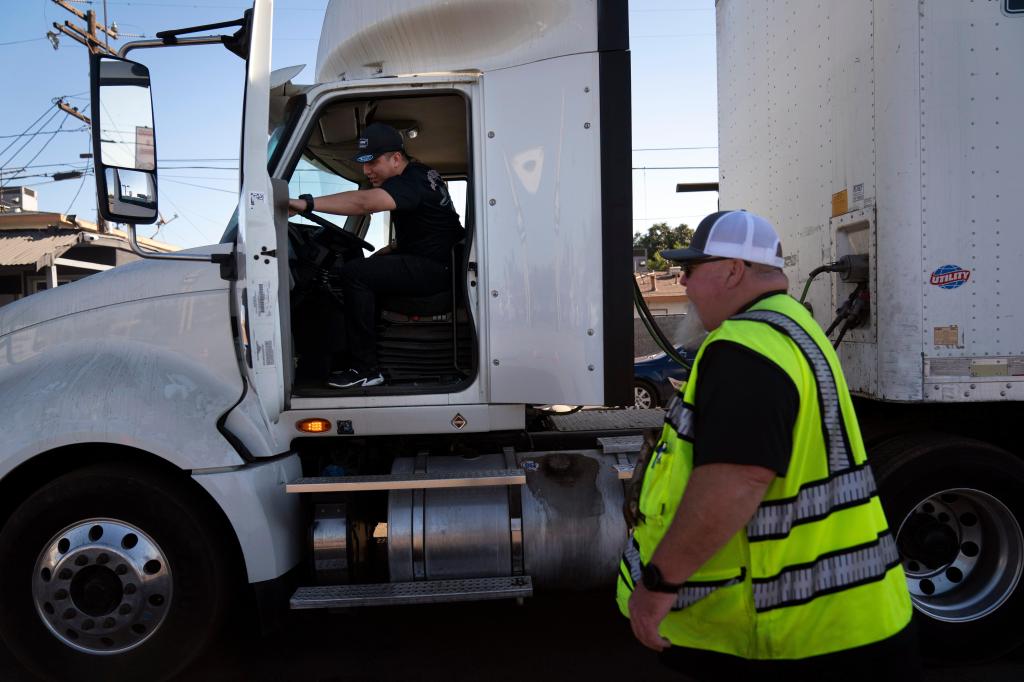

In recent times, the trucking industry in the United States is facing significant scrutiny as the federal government takes decisive action against non-compliant driving schools. With nearly 44% of the nation’s 16,000 truck driving schools potentially on the chopping block, the stakes are high. The Department of Transportation (DOT) has indicated it may revoke the accreditation of around 3,000 schools unless they swiftly meet established training requirements. This wave of enforcement comes in response to alarming incidents involving unqualified drivers, highlighting a pressing need for improved safety and accountability in the sector.
Curious about how this will impact the industry? In this article, we’ll explore the reasons behind this crackdown, what it means for aspiring truck drivers, and the broader implications for public safety.
Government Action Against Truck Driving Schools
The recent findings from the DOT have raised serious concerns about the quality of training provided at many truck driving schools. Nearly 3,000 schools are at risk of losing their accreditation due to failures in meeting essential training standards. This comes after reports that many of these institutions did not keep accurate records or even manipulated training data.
Furthermore, another 4,000 schools have been warned that they could face similar consequences if they don’t improve their training protocols. The urgency of this situation cannot be overstated, especially with the looming threat of losing federal funding for states like California and Pennsylvania, as noted by Transportation Secretary Sean Duffy.
The Catalyst: A Tragic Incident
This crackdown was catalyzed by a tragic event in Florida, where a crash caused by a driver without proper authorization resulted in three fatalities. Secretary Duffy emphasized the need to eliminate reckless practices that allow poorly trained individuals to operate large vehicles. Such incidents underscore the critical responsibility that comes with commercial driving and the need for rigorous training.
It’s worth noting that the proposed new restrictions on immigrant drivers, which aimed to tighten eligibility for commercial driver’s licenses, have faced legal challenges and are currently on hold.
Implications for Aspiring Truck Drivers
For those looking to embark on a career in trucking, this situation may seem daunting. However, it also presents an opportunity for aspiring drivers to seek out reputable schools that prioritize safety and compliance. When choosing a driving school, ensure they meet all DOT requirements and have a solid track record of training qualified drivers.
Moreover, the emphasis on quality education in this industry could lead to better job prospects for graduates. Companies will likely prefer hiring from accredited schools, ensuring that their drivers are well-trained and safe on the roads.
Conclusion: A Call for Compliance
As the trucking industry navigates this turbulent period, the emphasis on compliance and quality training is more crucial than ever. Increased oversight could ultimately lead to a safer environment for all road users. This situation serves as a reminder that accountability in training is not just a regulatory issue; it is a matter of public safety.
So, whether you’re an aspiring truck driver or simply interested in the industry, staying informed about these changes will be key to understanding the future landscape of commercial driving in the U.S.