


















The Canadian real estate market is currently experiencing a fascinating shift, revealing a significant divide in housing trends across different regions. If you’re watching the housing landscape, you might be surprised to learn that while some of the country’s most expensive cities are seeing a decline in home prices, more affordable markets are thriving. What’s driving these changes? Let’s delve into the latest insights from the RPS-Wahi House Price Index and explore the factors influencing this evolving situation.
This article will cover key trends in various Canadian cities, highlight recent price changes, and discuss the implications for potential buyers and sellers. With a focus on affordability and market dynamics, this overview aims to provide you with a clearer understanding of where the Canadian housing market stands today.
Current Trends in Canadian Real Estate
As of September, 10 out of 13 major cities in Canada reported annual price increases. Notably, Quebec City led the charge with a remarkable 13% rise, followed closely by Winnipeg with 11% and Regina at 9%. This growth can largely be attributed to a mismatch between supply and demand, particularly in Winnipeg and Regina, where population growth is exacerbating the already tight housing market.
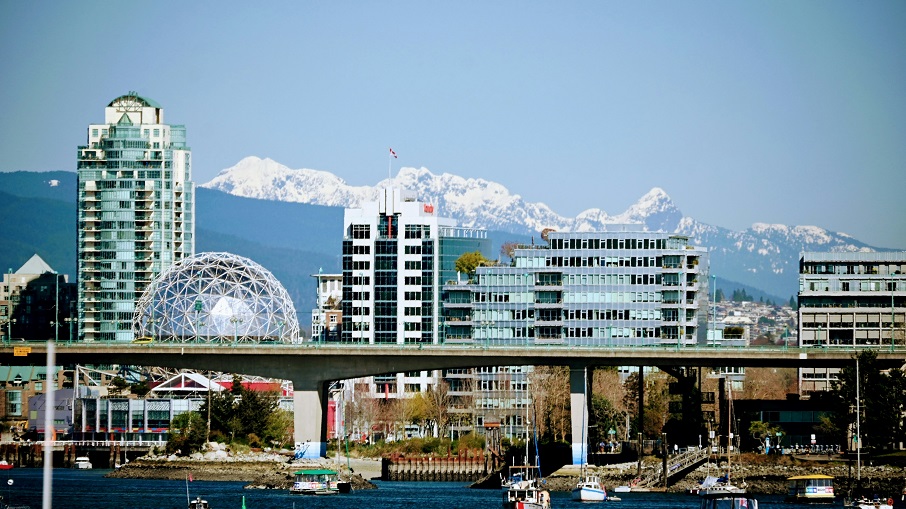
Meanwhile, cities like Toronto and Vancouver are facing a downturn, with both experiencing a 4% decline in home prices. What’s causing this dip? Factors such as a weak condo market, increasing inventory, and ongoing affordability issues are playing a pivotal role in these larger urban centers. Hamilton also saw a 3% drop, potentially linked to its vulnerability to U.S. steel tariffs, affecting local economies.
Price Variations Among Property Types
Examining the types of properties reveals further complexities in the market. Detached homes, which constitute over half of Canada’s housing stock, saw a 1% increase year-over-year. In contrast, semi-detached homes fell by 2%, and condo values experienced a notable 6% decline. Interestingly, townhouses remained stable, showcasing the varied demand across different housing types.
It’s important to recognize how these trends are influenced by factors like affordability and supply constraints. With the demand for ground-oriented homes remaining strong, the overall market shows signs of divergence, wherein certain regions flourish while others struggle.
Regional Insights: A Closer Look
The report highlights that while national trends indicate a market on pause, regions in Quebec and Atlantic Canada, as well as parts of the Prairies, may be showing signs of increased activity. Ryan McLaughlin, an economist with RPS-Wahi, suggests that these areas could be heating up, contrasting sharply with the cooling trends observed in larger cities.
In terms of appreciation rates, Calgary and Edmonton are still performing well, with prices up 3% and 5%, respectively. However, both cities have seen a slowdown from the double-digit growth rates they experienced earlier in the year, largely due to rising housing starts and an influx of new supply.
Understanding the Implications
For potential homebuyers and investors, it’s crucial to stay informed about these trends. The disparity in price movements across regions and property types presents both challenges and opportunities. If you’re in the market for a home, consider looking into more affordable areas where prices are gaining traction.
Moreover, if you’re thinking of selling, understanding the dynamics of your specific market is essential. This knowledge can help you set a competitive price and attract buyers who are navigating a fluctuating landscape.
Ultimately, as you engage with the Canadian real estate market, being aware of these shifts can position you better, whether you’re buying, selling, or simply observing. The landscape is evolving, and staying informed is your best strategy for making sound decisions in this complex environment.