

















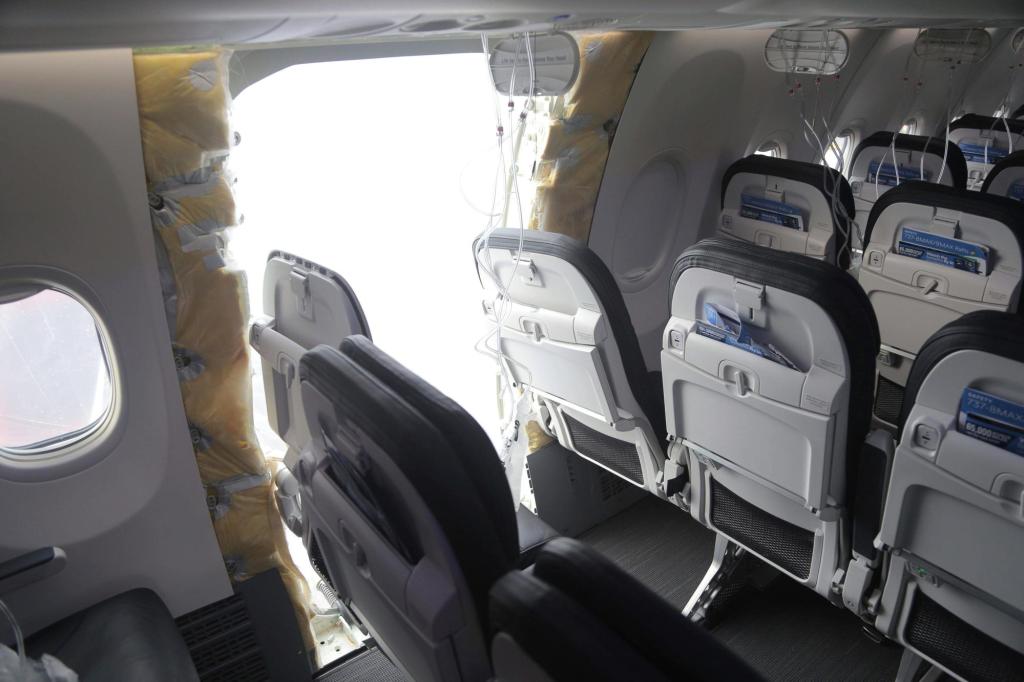

The recent incident involving Alaska Airlines Flight 1282 has sparked significant discussions and legal actions surrounding aviation safety standards. In January 2024, the flight experienced a serious malfunction when a door plug panel detached shortly after takeoff, leading to a rapid loss of cabin pressure. Thankfully, the skilled intervention of Captain Brandon Fisher and his crew ensured the safety of all 177 individuals on board. However, the aftermath has not been without complications. Fisher is now taking legal action against Boeing, claiming the company attempted to shift blame onto him and his team in previous lawsuits. Why would a pilot, celebrated for his heroism, find himself in such a predicament?
This article delves into the details of the incident, the subsequent investigations, and the unfolding legal battles, highlighting the crucial issues of accountability and safety in the aviation industry.
Incident Overview: What Happened on Flight 1282?
On January 8, 2024, Alaska Airlines Flight 1282 took off from Portland, Oregon. Just moments later, a door plug panel detached, causing a significant drop in cabin pressure. This alarming event created a vacuum effect inside the aircraft, resulting in minor injuries to eight individuals, including a flight attendant. Despite this, the crew managed to land the plane safely, garnering praise from federal officials and the airline.
The door plug panel that flew off was part of the fuselage, covering an emergency exit. Investigators later discovered that four securing bolts had been removed during assembly and were never replaced. The failure to address this crucial detail has raised serious questions about Boeing’s assembly practices.
Boeing’s Role in the Incident: Liability and Responsibility
The National Transportation Safety Board (NTSB) pointed fingers at both Boeing and its supplier, Spirit Aerosystems, for the assembly oversight. The bolts securing the door plug were hidden behind interior panels, making them virtually impossible to inspect during preflight checks. Could this oversight have been avoided with better quality control?
Fisher’s lawsuit claims that Boeing attempted to deflect responsibility by portraying the pilot and crew as negligent. This misleading narrative not only tarnished Fisher’s reputation but also subjected him to legal challenges from passengers affected by the incident. His legal representatives express that the betrayal felt by Fisher was profound, especially given his long history with Boeing aircraft.
Legal Actions: Captain Fisher’s Lawsuit Against Boeing
In his lawsuit filed in Oregon, Captain Fisher asserts that Boeing’s attempts to shift blame have caused him significant emotional distress. His lawyers have highlighted that the company’s actions not only undermined his professional integrity but also went against the industry’s commitment to pilot safety.
Previously, four flight attendants also initiated legal proceedings against Boeing, emphasizing the widespread concern regarding the company’s accountability.
NTSB Findings: What They Discovered
The NTSB’s investigation revealed that the door plug had gradually shifted upwards over 154 flights before the incident occurred. This alarming detail raises critical questions about the thoroughness of Boeing’s assembly and inspection processes. How can the aviation industry ensure such oversights are not repeated?
Moreover, factory workers reported feeling pressured to rush their tasks, leading to potential sacrifices in safety protocols. This has opened a broader conversation about workplace culture within aviation manufacturing.
Aftermath: Boeing’s Response and Industry Reactions
Following the incident, Boeing faced a $3.1 million fine from the FAA for safety violations. However, the company has since ramped up production of the 737 Max, indicating a focus on recovery and safety improvements. Is the company taking adequate steps to reassure the public and its employees?
While Boeing has yet to comment specifically on Fisher’s lawsuit, the company’s leadership has publicly expressed gratitude for the crew’s effective handling of the crisis. Alaska Airlines, too, has praised its crew for their quick thinking and professionalism during the incident.
In this evolving situation, the balance between accountability and safety in aviation remains a critical topic for both industry professionals and passengers alike.