




















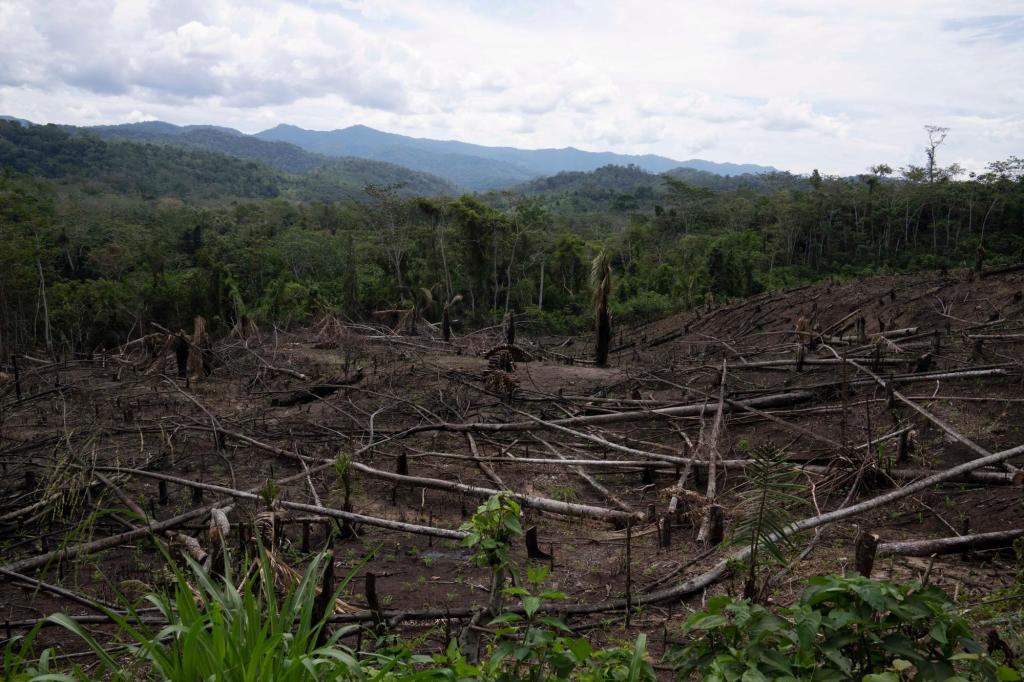

The Amazon rainforest, often dubbed the «lungs of the Earth,» plays a crucial role in regulating our planet’s climate. But did you know that it relies on something called «flying rivers» to function effectively? These invisible currents of moisture transport essential rain from the Atlantic Ocean across South America. Yet, the thriving ecosystem faces unprecedented challenges due to deforestation and climate change. What does this mean for the future of the Amazon and the wider world? In this article, we will explore the intricate relationship between flying rivers and the Amazon, the alarming warning signs in neighboring regions, and the potential solutions to safeguard this vital ecosystem.
Understanding Flying Rivers: The Lifeblood of the Amazon
Flying rivers are not an abstract concept; they are essential meteorological phenomena that carry moisture inland from the Atlantic. As the trade winds blow, they push moist air toward the Amazon rainforest. Once there, the trees absorb this water and later release it back into the atmosphere, effectively acting as a natural pump. This process is vital for maintaining rainfall across the region.
Brazilian scientist Carlos Nobre was pivotal in coining the term «flying rivers» during a scientific conference in 2006. His research revealed that a significant percentage of the rainfall in the western Amazon, particularly near the Andes, is dependent on these aerial streams. The disruption of this moisture flow poses a serious risk, threatening to shift the rainforest into drier savanna ecosystems.
Warning Signals from Peru and Bolivia
Recent analyses have highlighted that southern Peru and northern Bolivia are particularly susceptible to the impacts of flying river disruption. During the dry season, these moisture-laden currents sweep across southern Brazil before reaching the Andes. Unfortunately, this area is facing intense deforestation, limiting the amount of water vapor that can be transported westward.
This means that even if Peru implements protective measures for areas like Manu National Park, the ongoing deforestation in Brazil can lead to a lack of rainfall, jeopardizing the entire region. Indigenous communities, farmers, and cities relying on hydroelectric power are already experiencing the consequences of this disrupted water cycle.
The Fragile Ecosystem of the Amazon
The health of the Amazon is intricately tied to its ability to recycle water through flying rivers. During the wet season, these currents flow over intact forests in Guyana and northern Brazil, maintaining the ecosystem’s integrity. However, in the dry season, they travel over areas facing heavy deforestation, exacerbating existing challenges.
In fact, the dry months are when the forest most desperately needs water, making the disruption of flying rivers particularly concerning. Roads and highways, such as the BR-319 in Brazil, further accelerate deforestation, creating new fronts that threaten to compromise this delicate system.
Recognizing the Tipping Point
Scientists have long debated the potential tipping point for the Amazon. It’s not simply a matter of an abrupt collapse; rather, certain areas are more vulnerable and experiencing the effects first. Research indicates that the Amazon has already lost about 17% of its forest cover, primarily due to agriculture and cattle ranching.
With the dry season now extended by five weeks and rainfall decreasing by up to 30%, the urgency to act is evident. If deforestation surpasses 20-25% and global temperatures rise by 2 degrees Celsius, we may reach a point of no return.
What Actions Can Be Taken to Protect the Amazon?
To avert a crisis, experts emphasize the need for immediate action. This includes:
Nobre argues that we must also focus on protecting the atmospheric flows, not just the land. For effective conservation, regional cooperation is key. Countries like Peru have made strides by establishing large parks and reserves, but real change requires a collaborative approach that spans national borders.
In summary, the future of the Amazon rainforest and its flying rivers hinges on our collective action. By understanding the intricate connections within this ecosystem and taking meaningful steps to protect it, we can help ensure that the Amazon continues to thrive for generations to come.