
















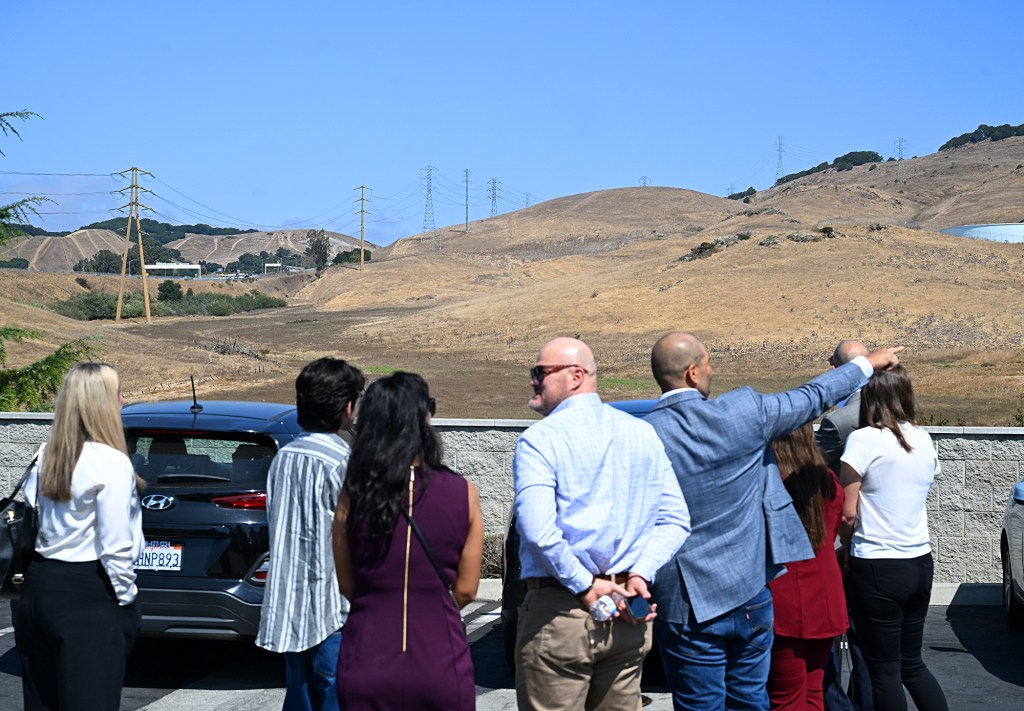

The proposal for a massive casino in Vallejo by the Scotts Valley Band of Pomo Indians has sparked considerable debate and legal challenges. This ambitious project, which aims to cover 400,000 square feet, raises important questions about tribal sovereignty, economic opportunities, and environmental concerns. In this article, we’ll explore the latest developments surrounding the casino, the implications for the Scotts Valley Tribe, and the reactions from various stakeholders. What does this mean for the local community? Let’s dive into the details.
Legal Developments in the Casino Project
Recently, the U.S. District Court for the District of Columbia ruled on Scotts Valley’s legal challenges against the Department of the Interior (DOI). The court’s decision allows the DOI to continue its review of the project, which could ultimately lead to a final ruling on whether the land is eligible for gaming. This ruling could result in the permanent revocation of the tribe’s gaming eligibility. While this might sound discouraging, the Scotts Valley Tribe views it as a partial victory. The court restored the tribe’s eligibility for gaming on its trust land, albeit temporarily.
The judge emphasized that the DOI’s previous actions—specifically, not notifying the tribe about the rescission of its gaming eligibility—were problematic. However, the court clarified that this error does not restrict the DOI’s authority to reconsider or revoke the approvals associated with the casino project.
Community Reactions and Environmental Concerns
Local sentiments about the proposed casino are polarized. Some residents, like Vallejo local Jimmy Genn, express concerns about the potential adverse effects on their community. “The tribe says crime will not spill out into the surrounding areas. My hometown’s experience is that it does,” he remarked, highlighting fears that a casino could lead to increased crime and other social issues.
Conversely, many residents are optimistic about the economic benefits a casino could bring. They envision a boost in property values, increased tourism, and more foot traffic for local businesses. Former business owner Kimberly Pelham stated, “Imagine people coming across from the ferry, bringing their money, gambling for the night, and spending earnings at the restaurants.”
The Role of the Yocha Dehe Wintun Nation
The Yocha Dehe Wintun Nation has also been vocal in this debate, engaging in ongoing litigation with the Scotts Valley Band. They argue that the proposed casino would encroach on ancestral lands of local Patwin tribes and jeopardize critical environmental and cultural resources. Their chairman, Anthony Roberts, asserted that the DOI’s reconsideration of the project is vital for preserving these resources, stating, “This process will assess all facts and evidence, revealing what history already makes clear: Scotts Valley has no historical connection to this land.”
This ongoing conflict underscores the complexities of tribal relations and the historical context surrounding land claims. The Yocha Dehe Wintun Nation firmly believes that the evidence they provided regarding ancestral ties was overlooked in previous decisions.
Economic Implications for the Scotts Valley Tribe
For the Scotts Valley Band of Pomo Indians, the casino project represents a significant opportunity for economic growth. With an estimated cost of $700 million, the casino aims to offer 24/7 operations, potentially creating jobs and generating revenue for the tribe. Chairman Shawn Davis remarked, “This victory is about more than gaming—it’s about fairness, tribal sovereignty, and the fundamental right of our people to move forward.”
However, the tribe faces hurdles. While they are eager to engage with the DOI for further discussions, a current government shutdown may delay any progress. The uncertainty surrounding legal challenges and community opposition adds another layer of complexity.
Looking Ahead: What Does the Future Hold?
As the situation unfolds, many questions remain. Will the DOI ultimately approve the casino project? How will local communities adapt to the potential changes? And what will be the long-term impacts on the tribal sovereignty and cultural heritage of the Pomo Indians?
Both supporters and opponents of the casino project will continue to voice their opinions. The outcome will not only shape the future of the Scotts Valley Band but also have lasting implications for the surrounding communities in Vallejo and beyond. As the legal battles and community discussions progress, all eyes will be on how this contentious issue resolves itself.