

















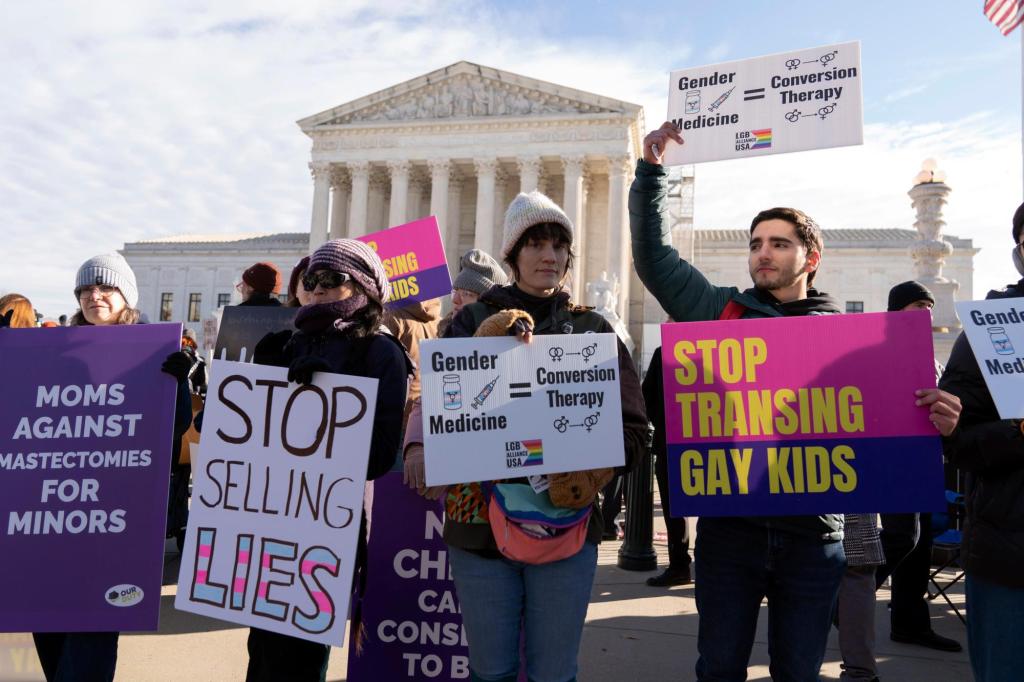

The landscape of gender-affirming care in the U.S. is undergoing significant change, particularly for young transgender individuals. Recent actions by the Justice Department have raised serious concerns among healthcare providers and advocates alike. How does this impact the availability of medical support for transgender youth? In this article, we’ll explore the implications of these actions, the nature of gender-affirming care, and the ongoing political and legal debates surrounding this vital issue.
Understanding Gender-Affirming Care for Transgender Youth
Gender-affirming care encompasses a variety of medical and mental health services tailored to support individuals whose gender identity differs from the sex assigned at birth. This type of care includes:
Most leading medical organizations advocate for access to these treatments, recognizing that they are crucial for individuals experiencing gender dysphoria. Yet, the political and legal environments surrounding this care are becoming increasingly contentious.
Recent Developments: Subpoenas and Patient Privacy
In a recent legal maneuver, the Justice Department issued over 20 subpoenas to various healthcare providers, including a notable request from the Children’s Hospital of Philadelphia. This demand included sensitive information about individual patients, such as:
Such requests have raised alarms among advocates, who argue that they compromise patient confidentiality and could deter individuals from seeking necessary care. Jennifer Levi from GLAD Law described the subpoenas as an alarming shift towards government surveillance in healthcare.
Political Backdrop: Laws and Executive Orders
The political climate surrounding gender-affirming care has shifted dramatically in recent years. Since 2021, numerous states have enacted laws aimed at restricting or outright banning medical treatment for minors. A U.S. Supreme Court ruling has also upheld some of these state policies, reinforcing their legality under specific conditions.
Moreover, during his presidency, Donald Trump issued executive orders that defined gender in binary terms and sought to eliminate federal funding for transgender care for those under 19. These actions, combined with attempts to limit transgender participation in sports and military service, have sparked significant debate.
The Impact on Healthcare Providers and Patients
As a result of these developments, many healthcare facilities are beginning to reevaluate their policies regarding gender-affirming care. At least eight major hospitals have announced plans to restrict or halt these services, even in states where such care remains legal. This trend raises critical questions about access to necessary medical support for transgender youth.
Children’s Hospital of Philadelphia has not yet limited its services, but other institutions, such as Penn Medicine, have decided to cease performing surgeries on patients under 19. This cautious approach has been attributed to the ongoing investigations and the chilling effect they have on healthcare providers.
Advocacy and Legal Challenges
Amid these challenges, a coalition of Democratic state officials has filed lawsuits against the Trump administration, arguing that these actions are designed to intimidate healthcare providers and limit care options for transgender youth. Advocates like Levi emphasize that the investigation is part of a broader pattern of intimidation affecting healthcare decisions.
In summary, the situation surrounding gender-affirming care for young transgender individuals is fraught with tension. As the political landscape evolves and legal challenges continue, it is essential to stay informed about how these changes may affect access to critical healthcare services.