















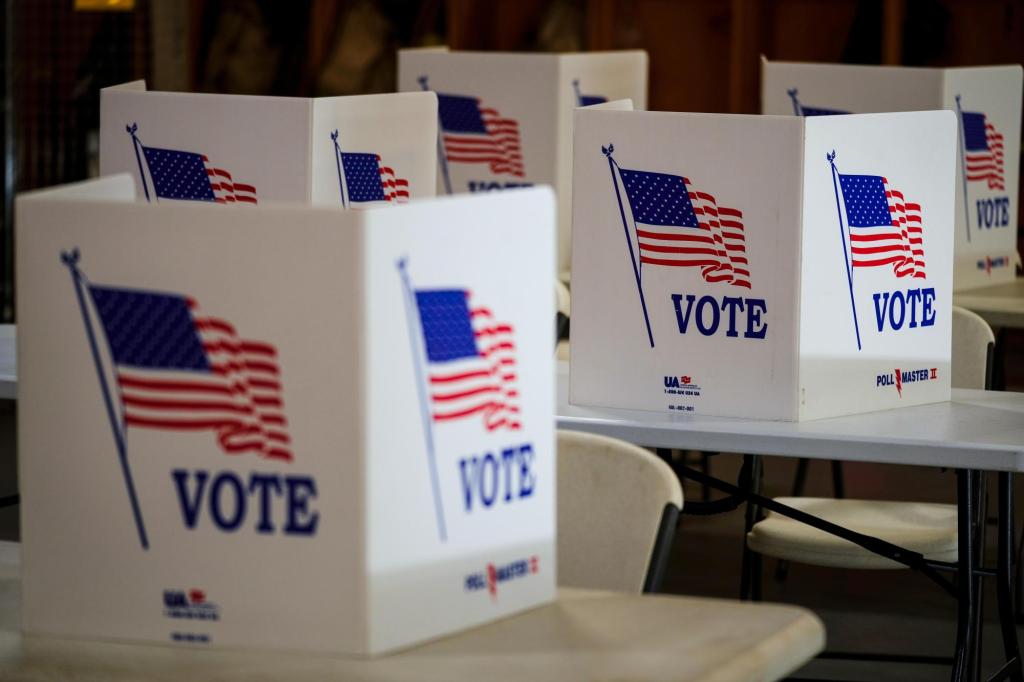

In recent days, a significant push has emerged from House Republicans aimed at introducing rigorous proof-of-citizenship requirements for voters as the midterm elections approach. This initiative, known as the SAVE America Act, seeks to impose new regulations that could fundamentally alter how voting is conducted across the country. But what does this mean for you as a voter? Will these changes ensure the integrity of elections or create unnecessary barriers? Let’s dive deeper into this unfolding situation and explore the implications.
The SAVE America Act mandates that individuals must provide proof of citizenship—primarily through documents like a U.S. passport or birth certificate—when they register to vote. Furthermore, voters would need a valid photo ID to cast their ballots. While supporters argue that this legislation will help combat voter fraud, critics contend that it could disenfranchise countless citizens, complicating the voting process.
Understanding the Legislative Landscape
This proposed legislation is not entirely new; it mirrors a similar bill that was passed by the House last year but failed to advance in the Senate. The current version intensifies some of the previous requirements and introduces a mechanism for individuals who have changed their names, such as through marriage, to confirm their identity.
Interestingly, the GOP asserts that the SAVE America Act is crucial for enforcing existing laws that prohibit non-citizens from voting. However, many experts point out that actual instances of voter fraud are extremely rare. In fact, studies indicate that fewer than one in ten Americans possess a valid passport, raising questions about the feasibility of these proposed regulations.
Concerns Over Voter Disenfranchisement
As the debate heats up, numerous lawmakers are sounding alarms about potential voter suppression. Some Democrats, including Rep. Jim McGovern, argue that the legislation is designed to diminish voter participation. He states, “It’s about Republicans trying to rig the next election.” This sentiment highlights the ongoing tensions surrounding voting rights in America.
Election officials have also expressed their worries. With primary elections just around the corner, state officials fear that implementing these sudden changes could lead to confusion among voters and disrupt the electoral process. In fact, over 20 million U.S. citizens of voting age reportedly lack readily available proof of citizenship.
Privacy and Data Concerns
Another critical aspect of the SAVE America Act is its requirement for states to share voter information with the Department of Homeland Security. This provision has raised eyebrows among election officials, who are concerned about privacy implications and the potential for unjustly purging individuals from voter rolls.
Senator Lisa Murkowski has voiced her apprehensions, stating, “Imposing new federal requirements now…would negatively impact election integrity.” This highlights the precarious balance between ensuring election security and protecting citizens’ rights.
The Path Forward in the Senate
While the House has shown momentum in advancing the SAVE America Act, the Senate presents a different challenge. Although Republicans hold a majority, the likelihood of overcoming the chamber’s filibuster rules appears slim. Some GOP senators, like Mike Lee from Utah, are advocating for a legislative process that would bypass the typical 60-vote requirement, potentially igniting a prolonged debate.
Yet, not all Republicans are on board. Senator Murkowski remains staunchly opposed, emphasizing the need for states to retain authority over their election processes. This bipartisan divide underscores the complexities involved in navigating election reform.
As this situation develops, it’s essential to stay informed about how these proposed changes could impact your voting experience. Whether you believe these measures are necessary for safeguarding democracy or see them as a hindrance to voter participation, the conversation surrounding voting rights is more crucial than ever.