















In recent months, the case of journalist Mario Guevara has sparked significant debate around the intersection of press freedom and immigration enforcement in the United States. Arrested while covering a protest in Atlanta, Guevara has since been detained by Immigration and Customs Enforcement (ICE), raising serious questions about the implications for journalists working in the field. As you delve into this complex situation, you might wonder: How far can the government go in restricting a journalist’s ability to report without violating constitutional rights? This article will explore Guevara’s case, the broader implications for press freedom, and the reactions from various stakeholders.
Understanding Mario Guevara’s Background and Arrest
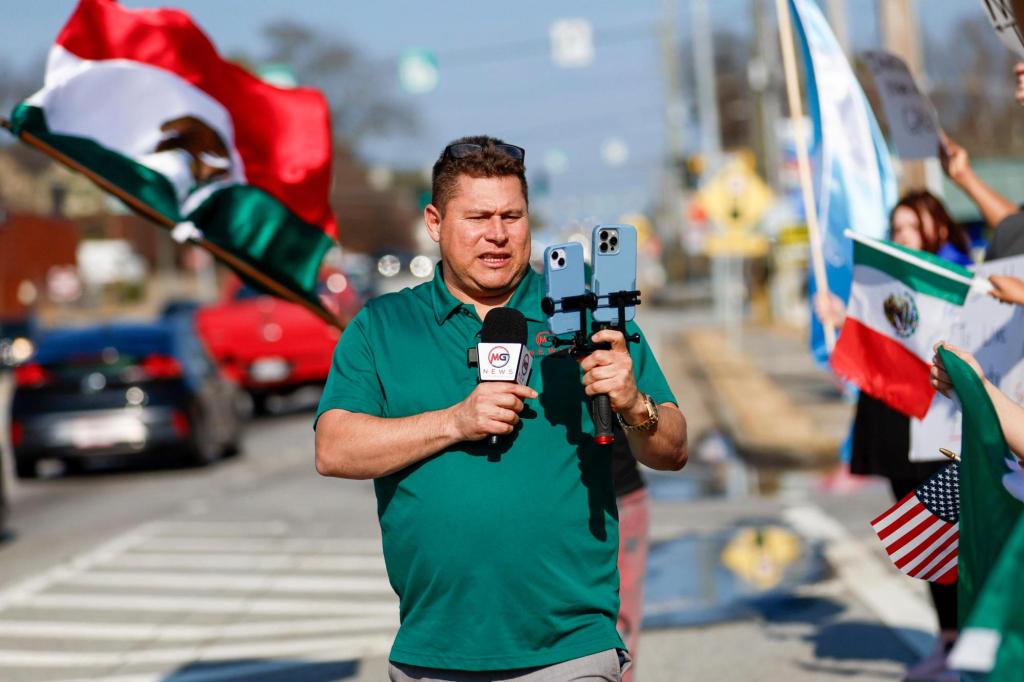
Mario Guevara, a 47-year-old journalist from El Salvador, has made Atlanta his home for the past two decades. He initially fled his country due to violence linked to his reporting. Since then, he has built a reputation as a trusted voice in the Hispanic community, particularly through his work with Mundo Hispánico and his own digital news outlet, MG News.
On June 14, while covering a protest against the Trump administration, Guevara was arrested by local police in DeKalb County. Shortly afterward, ICE took him into custody, leading to a series of legal battles over his detention. You might find it striking that Guevara was filming police activity—an act he believed was both legal and essential for public accountability—when he was apprehended.
Legal Challenges and Allegations of Retaliation
The legal team representing Guevara argues that his detainment is not just a matter of immigration enforcement but also a serious violation of his First Amendment rights. They contend that he is being punished for his commitment to journalism, as he has regularly documented law enforcement actions in the community. This has raised alarms among various journalism and press freedom organizations, who view Guevara’s case as a troubling precedent.
In a recent court filing, Guevara’s attorneys asserted that he is being held unlawfully, citing both free speech and due process violations. They are pushing for his release so he can return to his family and resume his work as a journalist. The government, however, maintains that Guevara’s arrest was not related to his profession but rather due to his immigration status.
The Broader Implications for Press Freedom
Guevara’s situation does not exist in a vacuum. It highlights a growing concern among journalists and advocates regarding the potential chilling effects of immigration enforcement on press freedom. If journalists fear retribution for their reporting, it could lead to less accountability and less transparency in government actions.
Many in the media industry argue that the ability to record and report on law enforcement activities is a fundamental aspect of a functioning democracy. You might ask yourself: How can journalists effectively do their jobs if they fear arrest or deportation for simply documenting events?
Reactions from the Community and Advocacy Groups
The arrest and ongoing detention of Mario Guevara have prompted a diverse array of responses from both the public and various advocacy organizations. His adult children have been particularly vocal, emphasizing their father’s role as a community leader and advocate.
Organizations like the American Civil Liberties Union (ACLU) and other press freedom groups have rallied behind Guevara, viewing his case as emblematic of larger struggles journalists face in a climate increasingly hostile to free expression. They argue that such actions not only undermine the rights of individual journalists but also endanger the public’s right to know.
Conclusion: A Case to Watch
As Guevara’s legal battle continues, it serves as a crucial reminder of the delicate balance between immigration enforcement and the rights of journalists. With implications that could resonate far beyond his individual situation, this case invites all of us to consider the vital role that a free press plays in our society. As you follow this story, keep in mind the broader issues at stake and the fundamental rights that are at risk.