
















Researchers at the University of Queensland have made a groundbreaking discovery by mapping the ‘neighborhoods’ of cancer cells in the most prevalent form of lung cancer. This innovative approach offers a fresh perspective on understanding how these cells interact and thrive, potentially leading to more effective treatments. Have you ever wondered how cancer cells communicate with their environment? This research sheds light on that very question.
In this article, we’ll delve into the significance of this mapping, the implications it has for lung cancer treatment, and what it could mean for future research. This study not only enhances our knowledge of cancer biology but also opens doors to new therapeutic strategies. Let’s explore how this could transform the way we approach lung cancer.
The Importance of Mapping Cancer Cell Neighborhoods
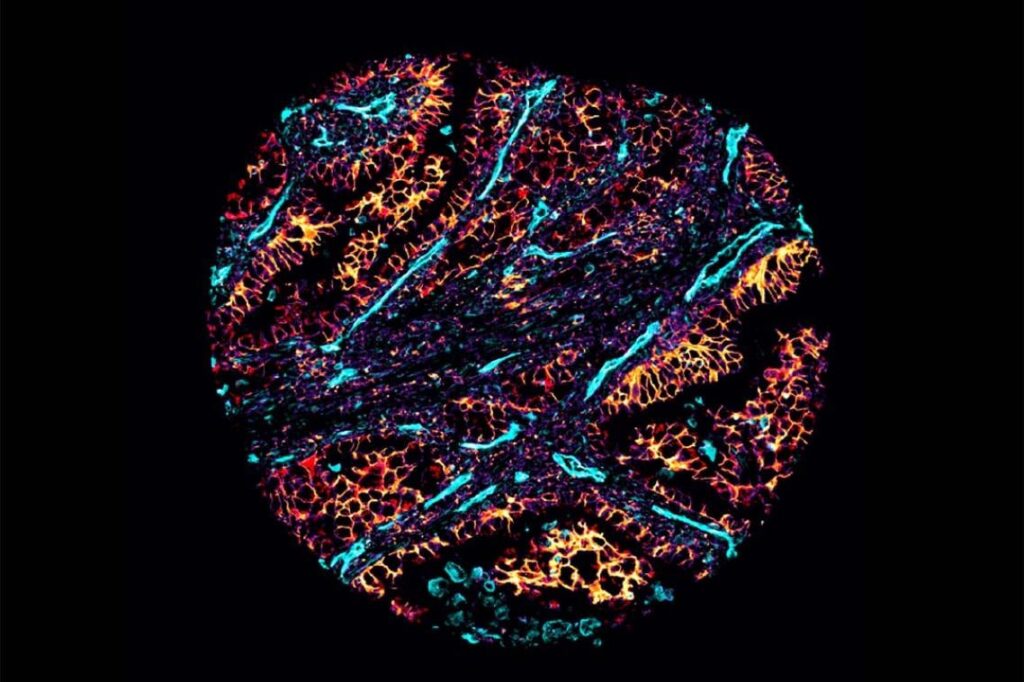
Mapping cancer cell neighborhoods is crucial because it helps scientists identify how these cells interact with one another and their surroundings. Understanding these interactions can reveal why certain cells become more aggressive or resistant to therapies. By analyzing these relationships, researchers can pinpoint potential targets for new treatments.
Moreover, this research emphasizes the role of the tumor microenvironment in cancer progression. The microenvironment is where cancer cells reside, and it influences their behavior significantly. When you comprehend how these cells function within their neighborhoods, it becomes easier to develop therapies that can disrupt their communication pathways.
How the Research Was Conducted
The researchers employed advanced imaging techniques to create detailed maps of lung cancer cell neighborhoods. They examined various cell types within tumors, paying close attention to how they interact. This meticulous approach allowed them to visualize the spatial organization of cells, which is critical for understanding tumor dynamics.
Additionally, they studied how these neighborhoods change over time. By observing these transformations, scientists can gain insights into tumor evolution and the development of resistance to treatments. Isn’t it fascinating how much can be learned from the spatial arrangement of cells?
Implications for Lung Cancer Treatment
The findings from this research have far-reaching implications for lung cancer treatment. Since many therapies focus on targeting cancer cells directly, understanding their neighborhoods could lead to more comprehensive strategies. By disrupting the communication between cancer cells and their environment, new therapies might enhance the effectiveness of existing treatments.
Furthermore, this research may pave the way for personalized medicine. With a better understanding of individual tumors, clinicians could tailor treatments based on the specific characteristics of a patient’s cancer neighborhood. This could improve outcomes and reduce side effects.
Future Directions in Cancer Research
This mapping study not only sheds light on lung cancer but also sets a precedent for future research in oncology. Other types of cancer could benefit from similar approaches, potentially leading to breakthroughs in treatment. Researchers are likely to explore how neighborhood dynamics vary across different cancers, which could uncover universal principles of tumor biology.
In addition, ongoing studies may focus on integrating this knowledge with other therapeutic modalities, such as immunotherapy. Combining strategies that target both cancer cells and their neighborhoods might result in improved patient responses.
Ultimately, the work conducted at the University of Queensland is a significant step forward in cancer research. By understanding the complexities of cancer cell neighborhoods, we might be on the brink of a new era in the fight against this disease.