















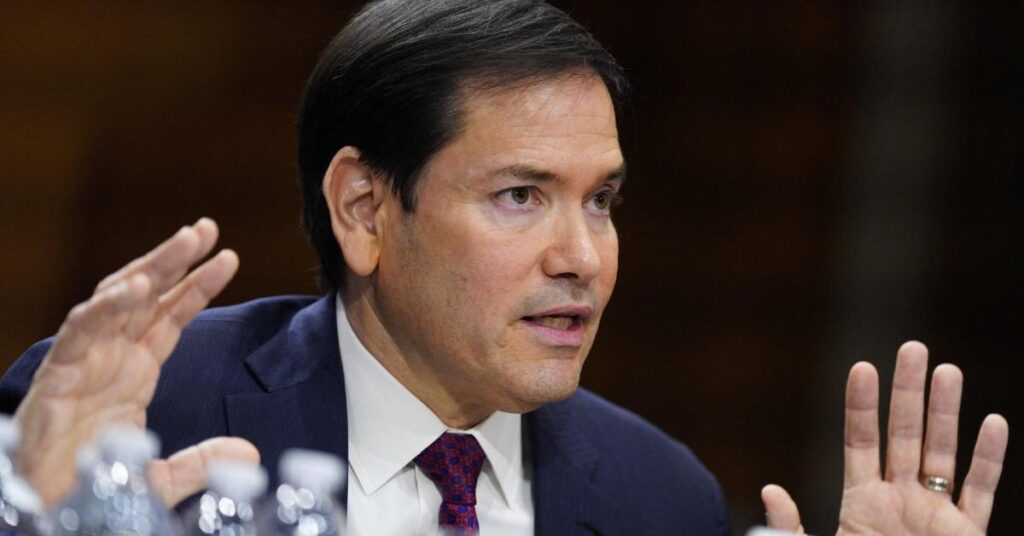
Secretary of State Marco Rubio recently found himself at the center of social media buzz after he was seen wearing notably large shoes that were presented to him by former President Donald Trump. This incident has sparked a wave of criticism and amused commentary online. Why do some politicians seem to attract ridicule for their fashion choices? In this article, we’ll explore the implications of such public perceptions, the role of social media in shaping political narratives, and how fashion can become a focal point in political discourse.
The Power of Fashion in Politics
When you think about politicians, you might not immediately associate them with fashion statements. Yet, the clothing and accessories they choose can significantly influence public perception. Fashion often serves as a reflection of a politician’s personality and values. This means that every choice, from tailored suits to unique footwear, can send a message to voters. So, how much does style really matter in politics?
Well, it’s not just about the clothes. Politicians are constantly under the microscope, and even the smallest details can spark conversations. For instance, when Rubio donned those oversized shoes, it wasn’t merely a fashion faux pas; it became fodder for critics and comedians alike.
Social Media: The New Stage for Political Scrutiny
You might wonder, how does social media amplify such moments? Platforms like Twitter and Instagram have transformed the way we engage with political figures. In today’s digital age, a single image can go viral in minutes, reshaping narratives almost instantly.
Critics of Rubio quickly took to these platforms to voice their opinions. Memes proliferated, and hashtags trended, showcasing how quickly public sentiment can shift. Is this a sign of the times? Indeed, the rapid spread of information—whether accurate or not—can have lasting effects on a politician’s reputation.
Why Do Fashion Choices Matter?
You might still be asking yourself, why do we care about what a politician wears? Fashion choices can humanize political figures, making them more relatable or, conversely, more alienating. For instance, when Rubio sports extravagant gifts from Trump, it invites questions about loyalty and image. Are these shoes merely a light-hearted gift, or do they symbolize something deeper in their relationship?
Moreover, the public often judges politicians not just on their policies but also on their appearance. This raises the question: Should politicians be held to different standards when it comes to their fashion sense?
Public Response and Its Implications
The backlash against Rubio is a prime example of how public figures can be scrutinized for their choices. Criticism can stem from a desire for authenticity in leadership. Voters often look for leaders who seem grounded and relatable, and when a politician appears out of touch—like wearing oversized shoes—it can lead to a disconnect with their audience.
Additionally, public figures must navigate the fine line between personal style and public perception. For Rubio, this incident may serve as a lesson in the potential repercussions of seemingly trivial choices.
Conclusion: The Intersection of Politics and Personal Style
Ultimately, the episode surrounding Marco Rubio’s oversized shoes underscores a fascinating aspect of modern politics. Whether it’s a suit or a pair of shoes, what politicians wear can significantly affect how they are perceived by the public. In a world where image often trumps substance, fashion becomes a crucial element of political strategy. So, the next time you see a politician making a fashion statement, remember: it’s not just clothing—it’s part of a larger conversation about image, identity, and connection with voters.