
















In recent weeks, Minneapolis has become a focal point of heated protests and escalating tensions surrounding immigration enforcement. Following a tragic incident that resulted in the death of a local woman, the community has rallied to express their outrage. This situation has not only ignited a wave of demonstrations but also raised critical questions about the methods used by federal agents in these operations. Are these tactics justifiable, or do they contribute to a cycle of violence and fear?
This article delves into the recent events in Minneapolis, exploring the implications of federal immigration enforcement actions, community reactions, and the broader societal impacts. We’ll analyze how local leaders are responding and what this means for the future of immigration policies in the area.
Protests Erupt in Response to Immigration Enforcement
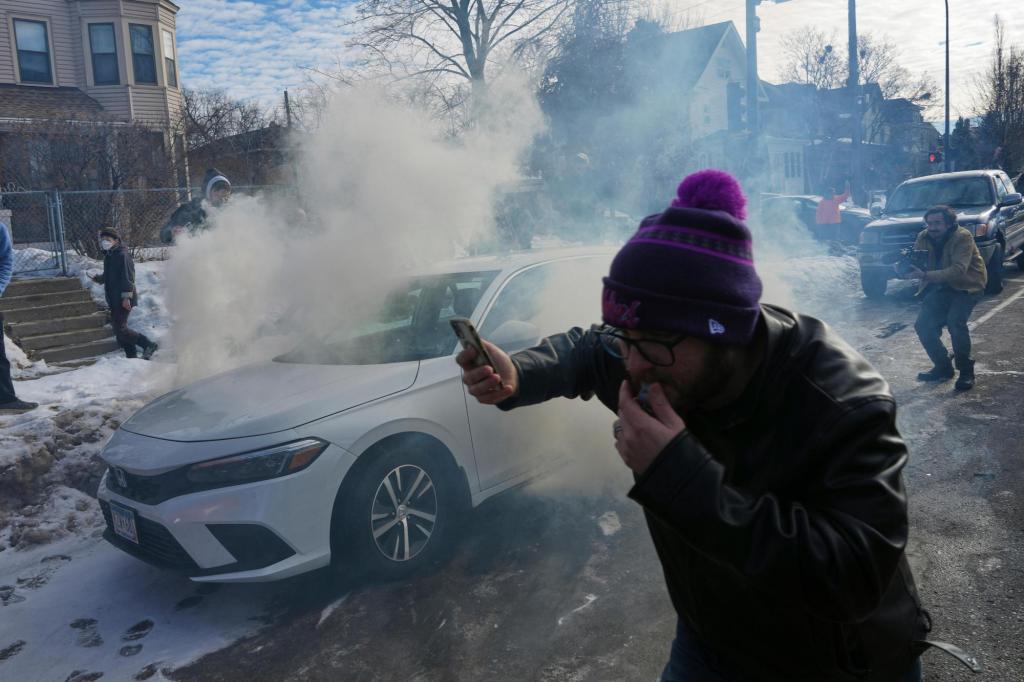
Following the tragic death of Renee Good, a 37-year-old woman, the streets of Minneapolis have seen an uptick in protests. Activists gathered to voice their dissent against the federal immigration agents, particularly in light of a recent car crash involving these officials. As onlookers gathered, federal officers resorted to using tear gas to disperse the crowd, leading to heightened tensions.
Many people shouted «cowards!» at the fleeing agents, highlighting the growing frustration within the community. This outcry reflects deeper issues surrounding immigration enforcement practices and their impact on local neighborhoods.
Community Leaders Speak Out
In response to these incidents, local political figures, including Minnesota’s attorney general and the mayors of Minneapolis and St. Paul, convened a press conference to address the situation. They emphasized the need for transparency regarding the immigration operations happening in the area.
Governor Tim Walz and his wife made a poignant visit to the memorial for Good, underscoring the personal toll of these events on the community. As frustrations mount, many are questioning the justifications provided by federal officials for their actions.
National Repercussions and Broader Context
The unrest in Minneapolis is not an isolated incident. Across the United States, similar protests and vigils have emerged, reflecting a collective discontent with current immigration policies. Activists are calling for accountability and reform, demanding a reevaluation of how these operations are conducted.
The national discourse is shifting, as the community grapples with the implications of aggressive immigration enforcement. In Portland, a separate incident involving U.S. Border Patrol has also drawn attention, where federal agents shot a Venezuelan national following a confrontation. These events showcase the complexities and dangers surrounding immigration enforcement across the country.
The Role of Media and Public Perception
Media coverage plays a significant role in shaping public opinion on these issues. Videos capturing the aftermath of confrontations have stirred outrage and sparked conversations about the ethics of federal actions.
As more footage surfaces, the narrative surrounding immigration enforcement is evolving, leading to increased scrutiny of the government’s approach. The public’s perception is crucial, as it influences policy discussions and the potential for reform.
Looking Ahead: The Future of Immigration Policy
As the community of Minneapolis continues to process these events, the future of immigration policy remains uncertain. Local leaders are advocating for change, and community sentiment is increasingly directed towards demanding justice and accountability.
With public outcry intensifying, will policymakers take notice and implement the necessary reforms? The unfolding situation in Minneapolis serves as a critical reminder of the human impact behind immigration enforcement actions and the ongoing struggle for justice and equality.