




















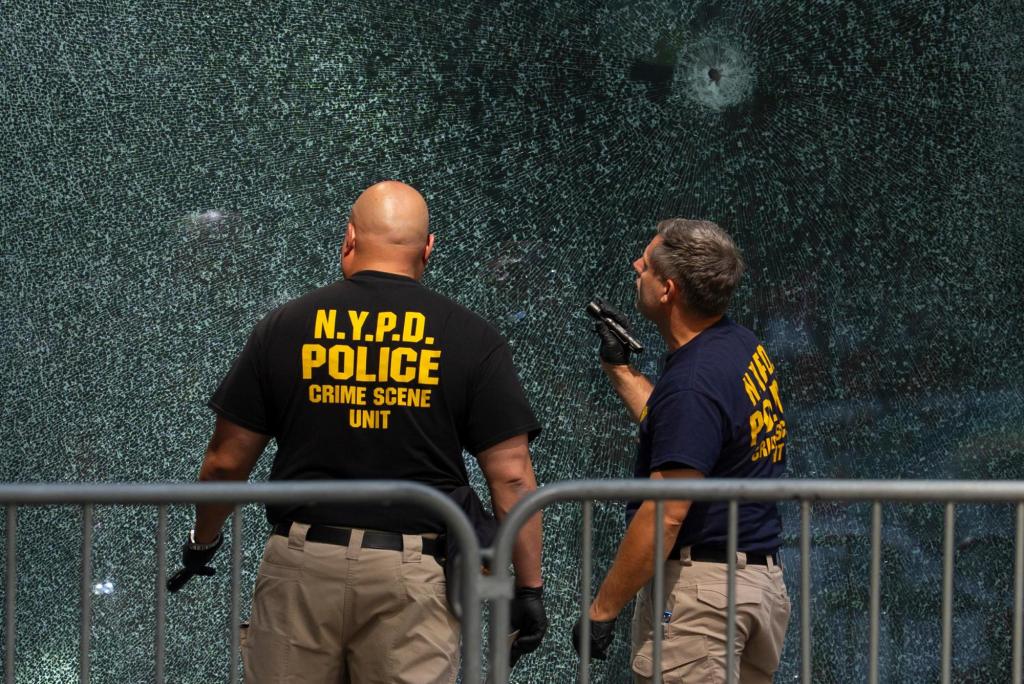

In recent years, the conversation surrounding the impact of contact sports, particularly football, on mental health has intensified. The tragic incident involving Shane Tamura, a former high school football player, serves as a stark reminder of the potential dangers associated with the sport. On July 28, in a shocking act of violence at a Manhattan office building housing the NFL headquarters, Tamura took the lives of four individuals before turning the gun on himself. His actions have reignited discussions about chronic traumatic encephalopathy (CTE), a degenerative brain disease that has been linked to repeated head injuries in athletes.
This article delves into the details of the incident, the implications of CTE, and the NFL’s evolving stance on player safety. With a focus on mental health and the long-term effects of sports injuries, we aim to shed light on an increasingly relevant issue. What drives someone to such extremes, and how can we better protect athletes from the unseen dangers of their chosen sports? Let’s explore.
Understanding CTE: What You Need to Know
Chronic traumatic encephalopathy (CTE) is a severe brain condition that arises from repeated head traumas. Research indicates that CTE can lead to significant behavioral and emotional changes. It often manifests in athletes who have suffered numerous concussions or similar injuries. The New York City medical examiner confirmed that Tamura exhibited clear signs of CTE, which is only diagnosable post-mortem.
Symptoms can include:
These symptoms can have a devastating impact on an individual’s life, affecting relationships and overall quality of life. Given the prevalence of CTE in contact sports, understanding its implications is crucial for both current and former athletes.
The NFL’s Response: A Shift in Perspective
For years, the NFL denied any connection between football and CTE. However, in a significant shift, the league acknowledged this relationship during a 2016 congressional hearing. Since then, they have allocated over $1.4 billion to settle concussion-related claims from retired players. This financial commitment indicates a recognition of the risks associated with the sport, yet many argue that this is merely a starting point.
Moreover, in light of Tamura’s actions, the NFL released a statement emphasizing that “the science around this condition continues to evolve.” While this acknowledgment is a step forward, it raises questions about the league’s responsibility in ensuring player safety and transparency regarding the risks involved in the game.
Shane Tamura: A Life in Crisis
Shane Tamura’s story is not just about a tragic event; it reflects a broader issue of mental health in athletes. Reports indicate that Tamura struggled with mental illness, which may have exacerbated his condition. Prior to the shooting, he faced legal troubles, including a misdemeanor trespassing charge linked to his behavior in a Las Vegas casino.
Tamura’s three-page note left behind after the shooting detailed his struggles with CTE and implored others to «study my brain.» His plea highlights the importance of further research into the long-term effects of sports injuries and the urgent need for better mental health support for athletes.
Implications for Future Athletes and Society
As society grapples with the repercussions of sports-related injuries, it’s essential to consider the broader implications for future generations of athletes. Schools and sports organizations must prioritize safety protocols and provide education on the risks of head injuries.
In addition, fostering an environment that encourages open discussions about mental health can help destigmatize these issues. Athletes should feel empowered to seek help without fear of judgment or repercussions.
Ultimately, as we navigate these complex issues, the focus must remain on creating a safer sporting environment while ensuring that mental health is treated with the seriousness it deserves. How can we, as a society, better support our athletes in their pursuit of both success and well-being?