




















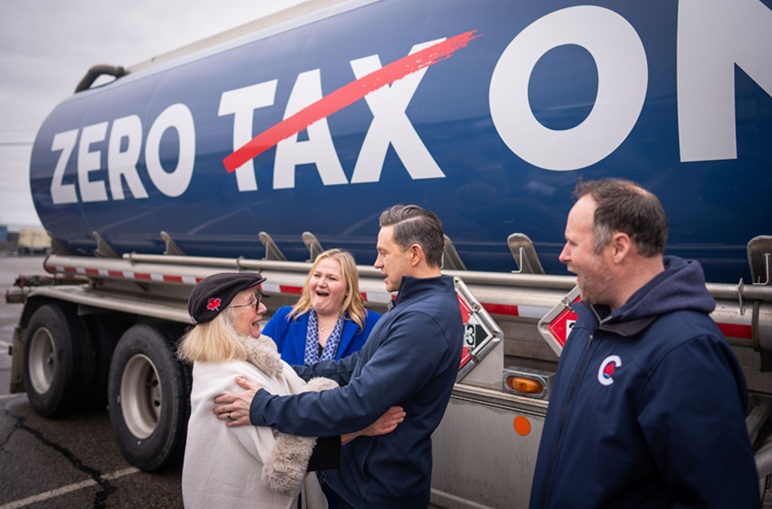

In recent discussions surrounding fuel prices and taxation, Conservative Leader Pierre Poilievre has ignited a debate by advocating for the suspension of all fuel taxes until the end of 2026. His call to action comes in light of soaring costs for everyday Canadians, particularly as Statistics Canada recently reported that food inflation in Canada has reached alarming levels, the worst among G7 nations. With the Liberal government only partially addressing the issue, many are left wondering: how will this impact your wallet?
In this article, we’ll explore Poilievre’s proposal for a ‘Zero Gas Tax’ and what it means for Canadians, the implications of current inflationary trends, and potential alternatives for the government to recoup lost revenue.
Understanding the ‘Zero Gas Tax’ Proposal
Poilievre’s call for a complete suspension of fuel taxes aims to alleviate the financial burden on Canadian families. He emphasizes that while the Liberal government has temporarily suspended a portion of the fuel excise tax, Canadians are still paying significantly more at the pump compared to their American counterparts. The Conservative leader argues that high fuel costs are interconnected with other rising expenses, particularly groceries.
The Reality of Rising Costs
So, what does this mean for you? The stark reality is that, under the current system, everything costs more due to years of Liberal taxation and inflationary deficits. Many families find themselves grappling with difficult choices at the grocery store, often having to leave items behind due to soaring prices. Poilievre’s critique of Prime Minister Mark Carney highlights a belief that the promise of affordable groceries has not materialized, leading to widespread discontent.
Impact on Everyday Life
Moreover, Poilievre argues that making energy affordable could lead to a reduction in costs across the board. When energy prices drop, so do the prices of other essentials. His proposal includes not just the suspension of the fuel excise tax, but also the complete elimination of the carbon tax and GST on gas and diesel for the remainder of the year. If this plan were to be fully realized, it could save Canadians up to 15 cents more per litre.
Funding the Initiative: Suggestions for Revenue Recovery
Given that the government could potentially lose around $3 billion in revenue from these tax suspensions, Poilievre has proposed several avenues for recouping that money. He suggests cutting government spending in areas such as:
Additionally, he mentions canceling the $90 billion Alto rail proposal, positing that these measures could help balance the budget while still providing relief to Canadian families.
A Vision for a Sustainable Future
Ultimately, Poilievre envisions a country where Canadians shouldn’t have to choose between filling their grocery carts and their gas tanks. His proposals are indicative of a broader desire for economic reform that prioritizes the needs of everyday citizens over bureaucracy.
As discussions continue, Canadians are left to ponder: what steps will the government take to address these pressing concerns?