

















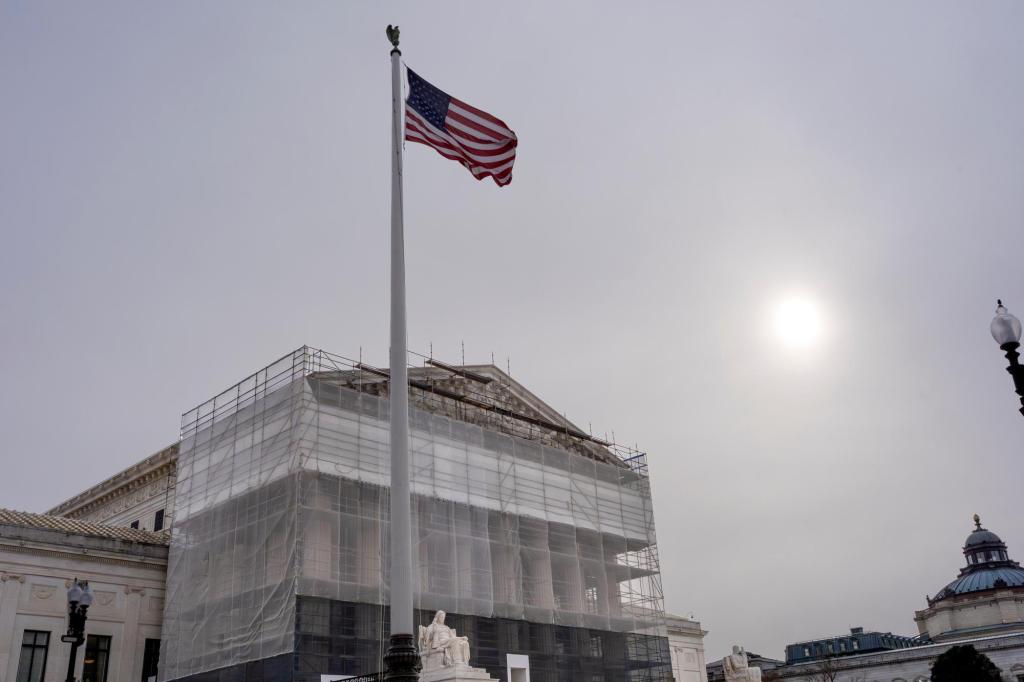

In a significant move that underscores the ongoing tensions surrounding immigration policy in the United States, the Supreme Court recently declined the Trump administration’s request to send National Guard troops to Chicago. This decision is more than just a legal ruling; it reflects the broader clash between federal authority and state rights, particularly in areas governed by Democratic leadership. Have you ever wondered how such legal battles can shape the lives of everyday citizens? In this article, we’ll delve into the implications of this ruling, the legal context, and what it means for future military involvement in local matters.
This article will cover the Supreme Court’s decision, its implications for immigration policy, and the potential ripple effects on other cities facing similar challenges.
Supreme Court Decision: A Setback for the Trump Administration
The Supreme Court’s refusal to overturn a lower court’s ruling blocking the deployment of National Guard troops marks a notable setback for the Trump administration. This denial reflects a significant moment in the ongoing legal battles over immigration enforcement. The request was initially put forth as an emergency appeal, but both U.S. District Judge April Perry and an appeals court had already denied it. What does this mean for the administration’s broader strategy?
This decision, while not a final ruling, could influence future cases involving the military’s role in civil matters, especially in cities led by Democratic officials. It’s a reminder of the checks and balances that exist within our legal system.
Legal Context: The Role of the Courts
Understanding the legal backdrop is crucial. The Trump administration sought military assistance to bolster its immigration enforcement efforts, which have been contentious since he took office. However, the courts have often pushed back against these initiatives. The balance of power plays a vital role here. When local authorities oppose federal actions, it raises questions about states’ rights and the limits of executive power.
Moreover, the Supreme Court took over two months to issue this decision. Why the delay? Such timing often indicates the complexity of the legal issues at play and the careful consideration that justices must undertake.
Implications for Immigration Policy
So, what does this mean for immigration policy moving forward? The refusal to allow troop deployment could embolden other cities facing similar federal interventions. Local governments may feel more empowered to resist federal policies that they believe could infringe upon their communities.
Additionally, this ruling may inspire more legal challenges against the administration’s immigration strategies, particularly in Democratic-led areas. The landscape of immigration enforcement could become even more contentious as a result.
Future Legal Battles on the Horizon
As the Trump administration navigates its legal challenges, one must consider how this Supreme Court decision might set a precedent. This ruling could influence how military resources are utilized in civilian contexts. If local governments continue to resist federal actions, we may see a rise in litigation aimed at protecting community rights.
It’s essential to stay aware of how these developments unfold. Legal experts and citizens alike should engage with the implications of this decision, as it could shape the future of immigration enforcement policies across the nation.
In summary, the Supreme Court’s ruling against the deployment of National Guard troops in Chicago not only highlights the ongoing tensions between state and federal powers but also sets the stage for future legal confrontations around immigration policies. Keep an eye on how this situation evolves, as it may lead to broader implications for communities nationwide.