

















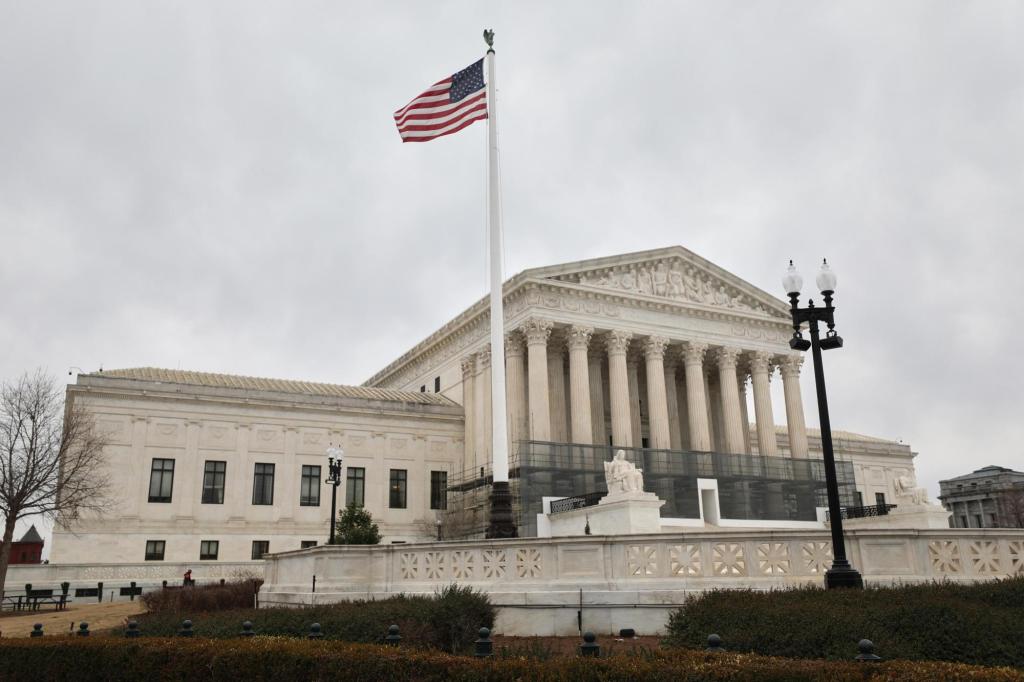

In recent years, the intersection of technology and law enforcement has sparked intense debate, especially concerning the use of geofence warrants. These legal tools allow authorities to gather location data from multiple cellphone users in a specific area during a defined timeframe, often in pursuit of criminal investigations. Are these warrants an essential method for solving crimes, or do they infringe upon individual privacy rights? As the Supreme Court prepares to review their constitutionality, this issue is more relevant than ever.
In this article, we’ll explore the implications of geofence warrants, the ongoing legal battles surrounding them, and their impact on privacy rights. We’ll also discuss the contrasting opinions within the judicial system on this controversial practice. Keep reading to get a clearer picture of what’s at stake as the highest court in the land prepares to weigh in.
The Rise of Geofence Warrants in Law Enforcement
Geofence warrants have become increasingly popular among law enforcement agencies. They allow police to request location data from tech companies like Google, effectively identifying every individual who was in a certain vicinity when a crime occurred. This method was notably used in the case of a bank robbery in Midlothian, Virginia, where police sought Google’s location data to track down the suspect.
But, should law enforcement have the right to access such broad data without concrete evidence tying individuals to a crime? Many argue that this practice can lead to unwarranted surveillance of innocent citizens.
Privacy Concerns and Legal Challenges
As you might expect, the use of geofence warrants has prompted significant legal challenges. In the aforementioned Virginia case, the suspect’s attorneys argued that the warrant violated his privacy rights. They contended that it allowed authorities to collect information about many individuals without any probable cause.
Interestingly, a federal judge ruled in favor of the suspect regarding privacy rights but still permitted the evidence to be used in court. This has raised questions about the balance between effective law enforcement and the rights of individuals.
Conflicting Judicial Opinions
The judicial landscape regarding geofence warrants is anything but uniform. While the appeals court in Richmond upheld the conviction in the Virginia case, another appeals court in New Orleans declared that such warrants violate the Fourth Amendment, which protects against unreasonable searches. This inconsistency highlights the urgent need for a definitive ruling from the Supreme Court.
How will this high-profile case shape future legal standards? The Supreme Court is set to hear arguments either later this spring or in October, and the outcome could have lasting effects on both law enforcement practices and individual privacy rights.
The Broader Implications for Privacy and Technology
The implications of geofence warrants extend beyond individual cases. As technology evolves, the tools available to law enforcement become more sophisticated, raising ethical questions about privacy and the extent of government surveillance.
You might wonder how this affects your daily life. Essentially, every time you use location services, you may be unintentionally contributing to a database that authorities can access. This reality calls for a critical conversation about the balance between safety and privacy in our increasingly digital world.
In summary, as the Supreme Court prepares to decide on the constitutionality of geofence warrants, the outcome will likely influence not only law enforcement practices but also the future of privacy rights in America. What are your thoughts on this issue? Are you comfortable with the idea of law enforcement having access to your location data, even if only in the pursuit of justice?