

















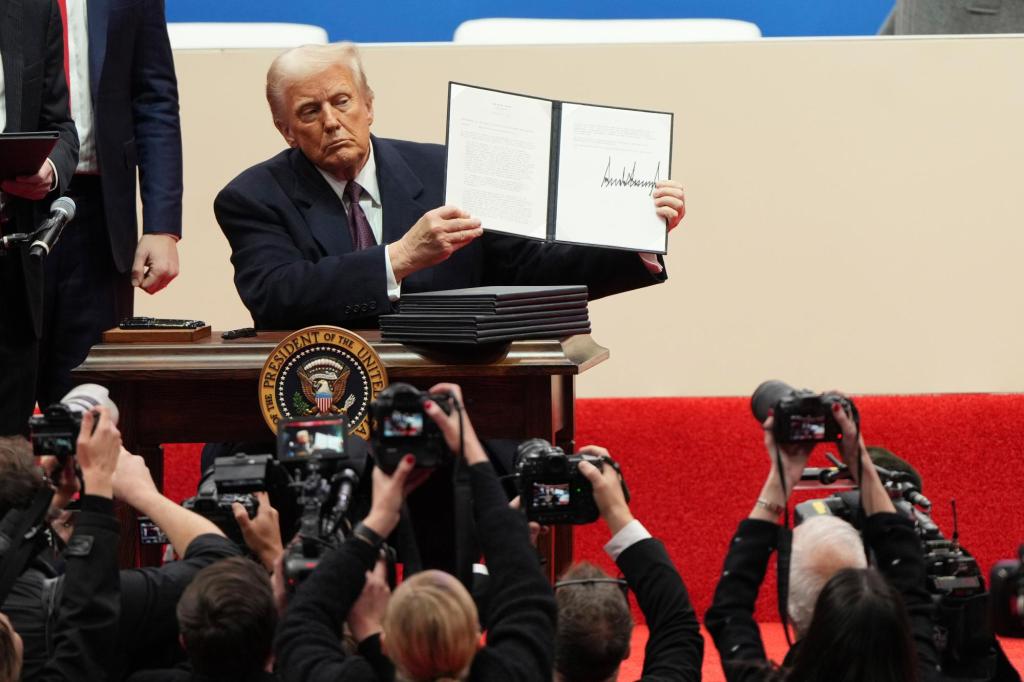

In recent weeks, a significant shift has emerged in the landscape of sexual education across the United States. The Trump administration has issued directives to 40 states, demanding the removal of LGBTQ+ content from federally funded sexual education programs. This decision has raised eyebrows and ignited debates about the future of inclusive education. Are we moving backward in the understanding of gender and sexuality? Throughout this article, we’ll explore the implications of this controversial move and its potential impact on educators, students, and communities.
This article will cover the following key points:
- The administration’s stance on LGBTQ+ education
- The financial implications for states that do not comply
- The responses from various stakeholders, including legal perspectives and advocacy groups.
Trump Administration’s Directive on Sexual Education
The recent actions taken by the Trump administration have prompted significant concern. The federal government has instructed states to eliminate LGBTQ+ topics from sexual education materials or risk losing funding. This directive is part of a broader effort to define gender strictly as male or female, a stance that contradicts a growing body of research suggesting that sex and gender exist on a spectrum.
The funds in question, totaling over $81 million, are crucial for programs designed to educate adolescents on important topics such as abstinence and contraception. These programs often target vulnerable populations, including those in foster care and LGBTQ+ youth, who are at higher risk for negative health outcomes.
Financial Repercussions for Non-Compliance
States have been given a tight deadline of 60 days to revise their curricula. If they fail to comply, they might face the loss of essential federal grants. California has already faced consequences, with a $12 million grant revoked after ignoring earlier warnings. Now, other states must weigh the risks of adhering to federal guidelines against the needs of their students.
This funding is not merely a budget line; it supports vital training for educators and provides resources for organizations that conduct sexual education in schools. Without these funds, many states may struggle to maintain comprehensive sexual health programs.
Legal Challenges and Advocacy Responses
The backlash against this directive has been swift. Connecticut’s Attorney General, William Tong, has hinted at potential legal challenges, arguing that defunding schools over these issues is unjust. Advocacy groups are mobilizing to protect the rights of students and ensure inclusive education remains a priority.
For example, Alison Macklin from SIECUS: Sex Ed for Social Change emphasized the importance of this funding, stating that it fosters essential life skills for young people. Without it, the educational landscape could become narrower, impacting the diversity of perspectives in classrooms.
Curricular Content Under Scrutiny
Specific examples of curricula that the federal government finds objectionable have surfaced. In Alabama, a lesson plan encourages students to share their pronouns and acknowledges various sexual orientations and gender identities. These discussions are crucial for fostering a sense of belonging among all students, yet they are now under threat.
South Carolina’s Governor, Henry McMaster, has publicly supported the federal stance, claiming that LGBTQ+ topics have no place in sexual education. This sentiment echoes a broader resistance to inclusive education across several states, raising questions about the future of such programs in America.
By understanding these dynamics, you can better grasp the implications of this directive on the educational system and the lives of countless students. As this situation unfolds, the conversations around sexual education continue to evolve, and the stakes have never been higher.