














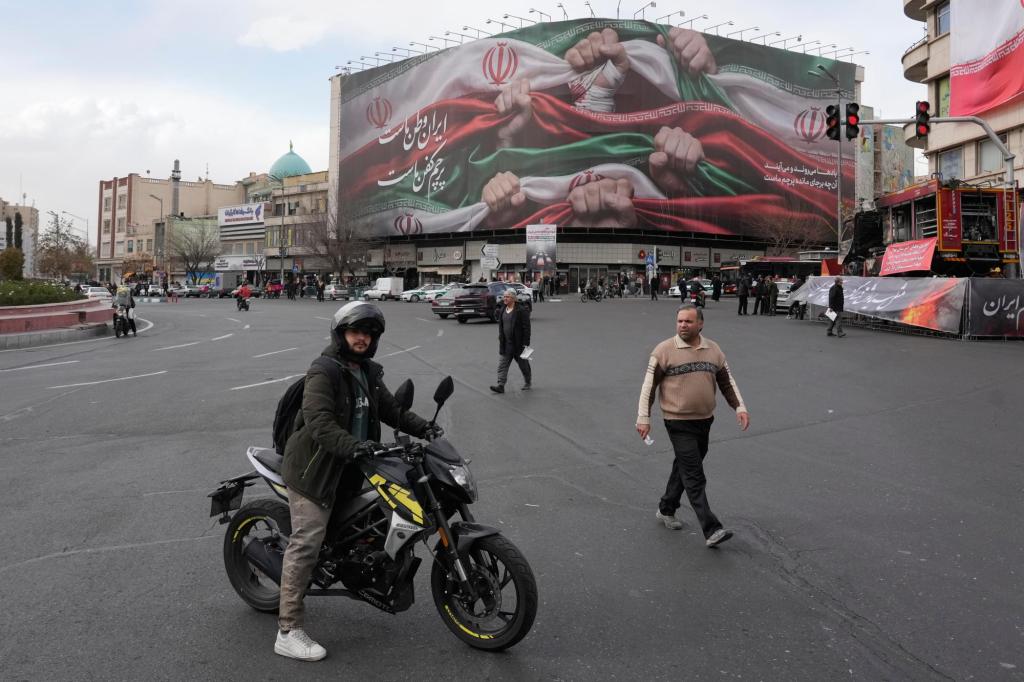

In recent weeks, Iran has found itself at the center of intense global scrutiny due to a surge in protests against its government. The Iranian populace has voiced their dissent, leading to a fierce response from authorities. As these events unfold, international figures, including U.S. President Donald Trump, have made claims regarding the situation, particularly concerning the fate of protesters. But what’s really happening on the ground? Are executions really on hold, as suggested by Trump? Let’s delve into the recent developments and their implications.
Understanding the Current Climate in Iran
The protests in Iran have not only captured the attention of citizens but also the international community. As tensions rise, many are left wondering how far the government will go to suppress dissent. Reports indicate that authorities have employed brutal tactics, suggesting that the regime is willing to go to great lengths to maintain control.
A recent report by the Human Rights Activists News Agency has revealed that over 2,500 individuals have died as a result of these crackdowns. This staggering number highlights the severity of the situation and raises pressing questions about human rights in Iran.
Trump’s Statements: What Do They Mean?
President Trump recently claimed that he received information indicating that Iran has halted plans for executions. “We’ve been told that the killing in Iran is stopping,” he stated, leaving many to wonder where this information is coming from. The ambiguity of his statements has sparked debate over their accuracy and the potential impact on U.S. foreign policy.
While Trump has expressed solidarity with the Iranian people, it remains unclear how the U.S. will actually respond. Will it be through diplomatic channels, or could military action be on the table? These unanswered questions leave many feeling anxious about the future.
The Role of U.S. Officials
In the wake of the protests, key members of the U.S. administration, including Vice President JD Vance and Secretary of State Marco Rubio, have been actively discussing possible strategies. They are weighing options that range from diplomatic efforts to more aggressive military responses. This high-level engagement signifies the importance that the U.S. places on the situation in Iran.
However, the effectiveness of any proposed measures remains uncertain. Will diplomatic efforts yield results, or will a more forceful approach be necessary?
The Global Perspective on Iranian Protests
The unrest in Iran has implications that extend beyond its borders. Many countries are closely monitoring the situation, understanding that any shift in Iran could affect regional stability. The international community is being called upon to advocate for human rights and provide support to those seeking change.
As protests continue, the world watches with bated breath. The outcomes of these demonstrations could redefine not only Iran’s future but also its relationships with other nations.
In this context, the situation remains fluid, and the stakes couldn’t be higher. What do you think will happen next? Only time will tell how these events will unfold and what consequences they may bring.