




















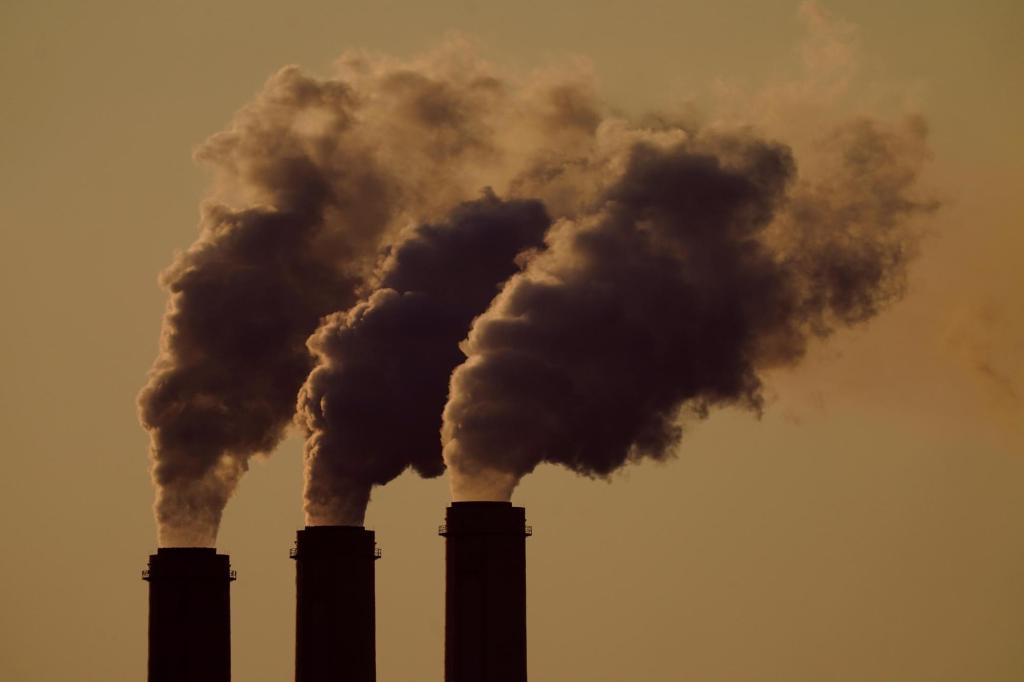

The ongoing debate over air pollution standards has reached a critical juncture, particularly concerning soot emissions. As the Trump administration aims to dismantle stringent regulations established under the Biden presidency, your understanding of this issue becomes vital. Why does this matter? Because these regulations directly impact public health and environmental safety. This article delves into the implications of these proposed changes, highlighting the potential consequences for communities across the country.
You’ll find that the discussion encompasses not only the legal battles ahead but also the health risks associated with soot pollution, which can lead to serious respiratory issues and even premature death. So, let’s explore the current landscape of air quality regulations and the ongoing struggle between environmental protection and industrial interests.
Trump Administration’s Push to Roll Back Soot Regulations
Recently, the Trump administration has taken steps to dismantle a significant rule aimed at reducing soot pollution. The Environmental Protection Agency (EPA) previously established stringent standards to limit deadly fine particulate matter. This effort was based on research indicating that lowering these pollutants could save thousands of lives each year. However, the administration argues that the Biden team lacked the authority to impose such strict regulations on emissions from vehicles and factories.
The Legal Battle Over Air Quality Standards
With twenty-five states led by Republican governors and various business organizations filing lawsuits against these new regulations, the legal landscape has become increasingly contentious. For instance, a coalition led by Kentucky and West Virginia contends that the stricter standards will inflate costs for manufacturers and utilities, ultimately affecting families. Interestingly, the EPA has sided with these challengers in a recent court filing, asserting that the Biden-era rule was enacted without adhering to the necessary procedural guidelines set by Congress.
Health Implications of Soot Pollution
Why should you care about soot? This tiny, toxic substance can cause significant health problems, including asthma, heart disease, and premature mortality. The recent rule mandated a maximum concentration of 9 micrograms of soot per cubic meter, a reduction from the 12 micrograms set during the Obama era. Experts warn that reverting to the previous standard would have dire consequences for public health.
According to environmental advocates, the scientific evidence overwhelmingly supports stricter controls. For example, the newly established rule was projected to prevent 800,000 asthma attacks, 2,000 hospital visits, and 4,500 premature deaths by 2032. These statistics highlight the tangible benefits of maintaining rigorous air quality standards.
Community Concerns and Future Prospects
As you consider the implications of these regulatory changes, think about the communities that stand to be most affected. Areas near highways, factories, and power plants often bear the brunt of soot pollution. Residents, particularly children and the elderly, are at heightened risk of health complications. Activists argue that the rollback is a blatant disregard for public well-being, prioritizing corporate interests over community health.
Organizations like Earthjustice have voiced strong opposition to these rollbacks, emphasizing that abandoning clean air standards will only fuel health crises. Patrice Simms, a representative from the organization, criticized the administration’s focus on saving money for corporations at the expense of citizens’ health.
The Path Ahead for Air Quality Regulations
Looking forward, the Trump administration plans to propose its own soot regulation early next year, which could further complicate the landscape of air quality standards. As these changes unfold, it’s crucial for you to stay informed about how they may affect your community and health. After all, clean air is not just an environmental issue; it’s a public health imperative.
In summary, the battle over soot pollution regulations is far from over. The upcoming legal decisions and proposed rule changes could shape the future of air quality and public health for years to come. So, remain engaged and aware; your health and the health of your loved ones may depend on it.