















In recent weeks, Washington D.C. has become a focal point forintensive federal law enforcement actions, raising concerns and fears among residents, especially within the immigrant community. As the Trump administration intensifies its immigration crackdown, checkpoints have emerged as a controversial but prevalent feature of the city’s streets. Have you ever considered how these measures impact daily life? This article delves into the implications of these checkpoints, the reactions from local communities, and the legal frameworks surrounding them.
Understanding the Rise of Checkpoints in D.C.
The increased presence of federal agents and National Guard troops in Washington D.C. signals a significant shift in enforcement strategies. Beginning on August 7, President Trump’s administration has ramped up operations, resulting in over 630 arrests in just two weeks, including many individuals living in the country illegally. This surge in federal authority is undoubtedly reshaping the landscape of law enforcement in the nation’s capital.
As you navigate the city, you may encounter checkpoints designed to screen vehicles and, in some instances, inquire about immigration status. This practice, while intended to bolster security, raises numerous questions about its legality and the impact on community relations.
The Human Impact: Fear and Anxiety
The immigrant population in D.C. is feeling particularly vulnerable. Daycare centers have reported partial closures as staff members fear going to work amid the increased federal presence. Imagine the anxiety parents must feel when leaving their children in an environment where fear of law enforcement looms large.
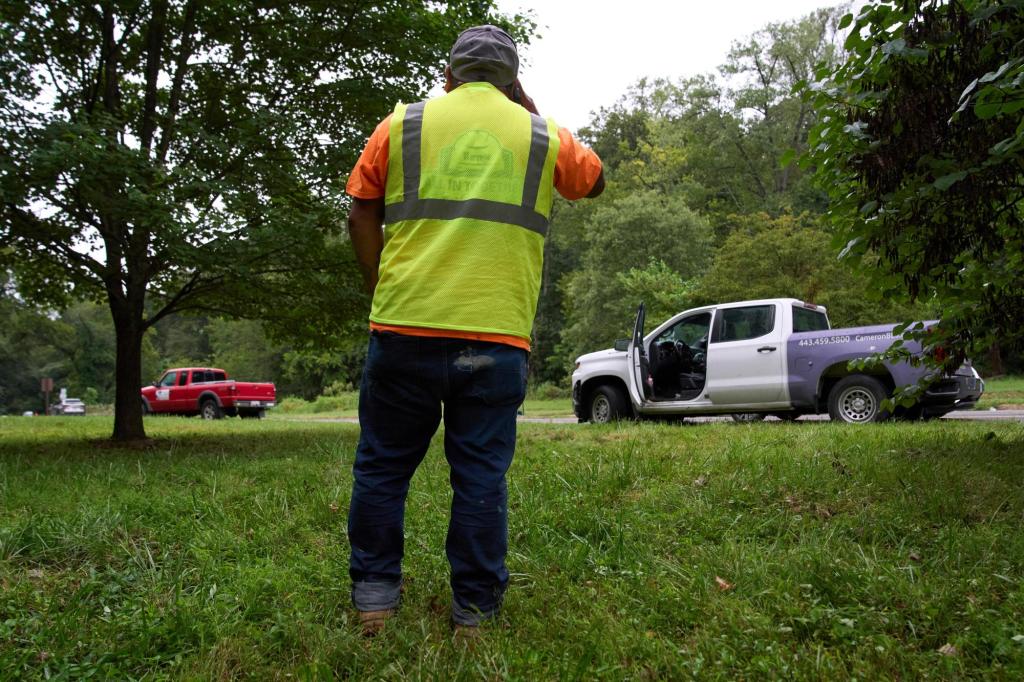
One striking example includes Martin Romero, a construction worker who witnessed his colleagues being detained during a routine stop. The chilling realization that a simple traffic stop could lead to deportation is all too real for many. How would you feel if your daily commute turned into a source of dread?
The Legal Landscape of Checkpoints
Checkpoints are not a new concept; however, their implementation is tightly regulated. The Supreme Court has upheld their use for specific purposes, such as border control and DUI checks, yet there are limits to this authority. Legal experts argue that general crime control does not justify constant stops. Jeffrey Bellin, a former prosecutor, emphasizes, “The government cannot simply check us for criminal activity without reasonable suspicion.”
Moreover, while some checkpoints may serve legitimate purposes, they cannot be used as a guise for broader immigration enforcement. This creates a complex legal environment where the rights of residents may feel compromised.
Comparing D.C. to Other Regions
The situation in Washington D.C. mirrors practices seen in cities like Los Angeles, where federal immigration officers have become a common sight at various public venues. In California, even houses of worship have been impacted, with one bishop excusing parishioners from attending Mass after immigration agents detained individuals on church property. What does this say about the community’s relationship with law enforcement?
The presence of federal agents has permeated everyday life, leading to heightened tensions and a sense of unease. Whether it’s at local businesses or community gatherings, the implications of these actions are far-reaching.
Local Leadership and Community Responses
D.C. Mayor Muriel Bowser has acknowledged the rise in checkpoints as a byproduct of federal law enforcement operations. She stated, “The surge of federal officers allows for more frequent deployments, including checkpoints.” This admission highlights the complicated dynamics between local governance and federal authority.
Community leaders and residents are grappling with the reality of living under these intensified measures. For many, the question remains: how can communities protect themselves while navigating a climate of fear and uncertainty?
As you reflect on the current state of affairs in Washington D.C., consider the broader implications of these enforcement strategies. The intersections of law, community, and personal safety continue to evolve, shaping the future of how residents engage with their city and its governing bodies.