

















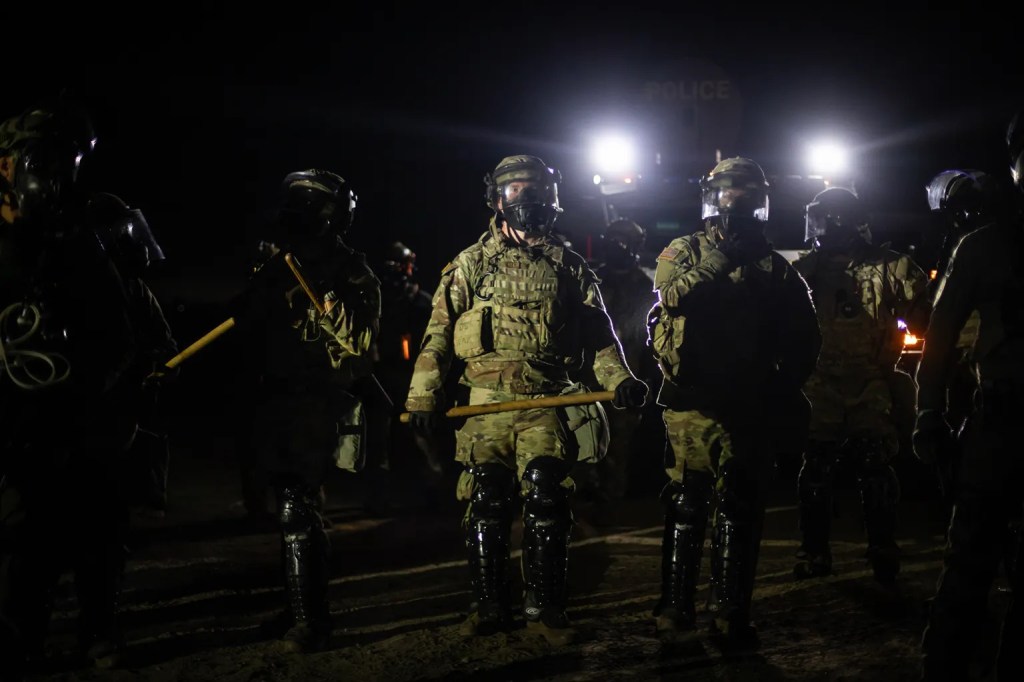

In 2025, California emerged as a pivotal battleground in the federal government’s intensified approach to immigration enforcement. This shift towards militarized tactics not only transformed how immigration agents operate in the state but also set a precedent for nationwide strategies. You might wonder: what does this mean for families and communities in California? In this article, we will explore the evolution of these enforcement practices, the impact on the immigrant population, and the broader implications for Californian society.
As we dive deeper, you’ll discover how tactics that began in local communities have expanded, affecting countless lives across the state and beyond. From surprise raids to increased surveillance, the changes have reshaped not only immigration policy but also the fabric of everyday life in California.
Militarized Tactics and Their Expansion
What started as targeted operations in agricultural towns soon escalated into a nationwide strategy involving surprise interventions in workplaces and neighborhoods. Reports from CalMatters revealed that methods like warrantless traffic stops and racial profiling, initially observed in Kern County, have proliferated throughout California and the nation. Surprisingly, these aggressive tactics have received backing from the U.S. Supreme Court, legitimizing their use.
The Role of Federal Forces
During the early days of the second Trump administration, the federal government deployed Marines to the border, citing an immigration crisis. While those troops have since returned home, the presence of National Guard units in Los Angeles following civil unrest highlighted the ongoing tensions between California’s sanctuary policies and federal enforcement. State officials expressed strong objections to these military interventions, but federal leaders insisted they were necessary for maintaining order.
Impact on Families and Communities
The repercussions of these enforcement strategies have been profound, particularly for families with long-standing ties to California. Many individuals facing deportation are not recent arrivals; instead, they often have lived in the state for decades, possess U.S.-citizen children, and maintain stable jobs. Increasingly, ICE has targeted individuals during routine appointments, creating an atmosphere of fear among communities. This has destabilized essential services like education and healthcare, affecting everyone from schoolchildren to agricultural workers.
Health and Safety Concerns in Detention Centers
A federal lawsuit involving a deaf asylum seeker brought attention to alarming gaps in medical care and accommodations within immigration detention facilities. Under the Trump administration, protections for asylum seekers were significantly weakened, making them more susceptible to arrest. Advocates have raised concerns about deteriorating conditions within these centers, especially as local authorities have become reluctant to conduct necessary health inspections.
Decline in Immigrant Population
What’s more, a quieter yet significant trend has surfaced: a noticeable decrease in the immigrant population. According to Pew Research, the national immigration population saw a decline of approximately 1.4 million in the first half of 2025, marking the first such decrease in decades. This reduction has raised alarms among economists, who warn of potential slowdowns in economic growth. State leaders are now grappling with the long-term consequences for the workforce, educational institutions, and social services.
The Future of Immigration Enforcement in California
Looking ahead to 2026, California braces itself for even more stringent enforcement measures. Expect ongoing legal battles surrounding sanctuary laws, funding issues, and efforts to expand detention capacities. Schools and employers are preparing for the possibility of mass deportations, while lawmakers are considering new measures to protect individual privacy.
As these developments unfold, the landscape of immigration enforcement in California continues to evolve, leaving many to wonder about the future of their communities and the lives of those who call the state home.