

















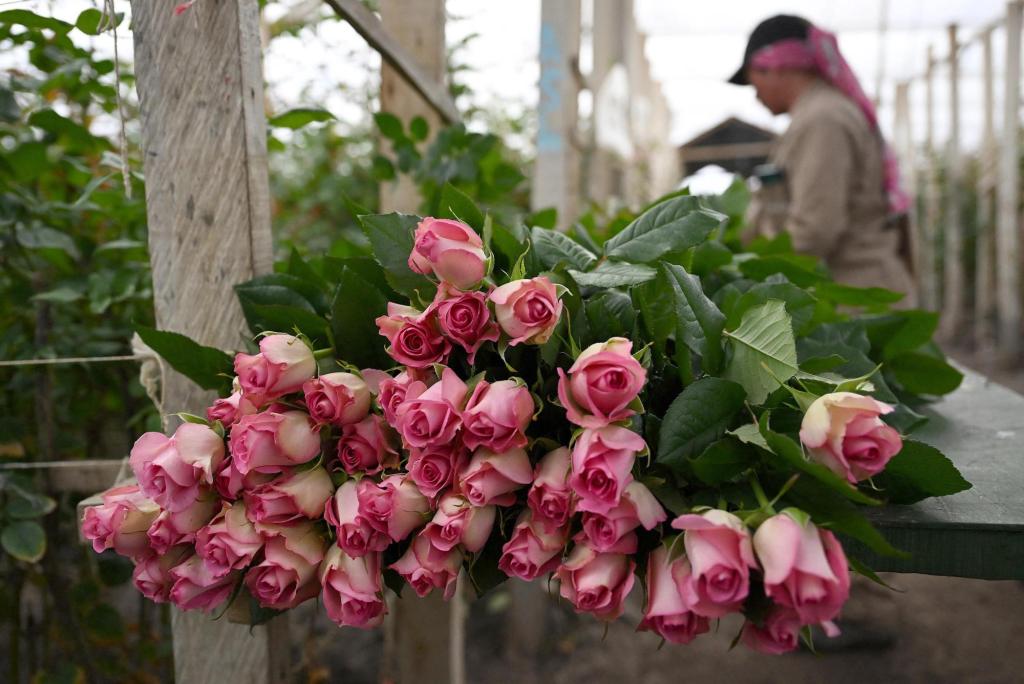

Valentine’s Day is a celebration of love, but for the approximately 250 million roses and other floral arrangements prepared for this occasion, the reality is much less romantic. As soon as these flowers are cut, they embark on a journey toward wilting and decay. What if there was a way to extend their life? Scientists are exploring innovative methods to combat the natural aging process of flowers, and the findings could have broader implications for reducing food waste across the industry.
In this article, we will delve into the role of ethylene, a plant hormone that contributes to aging, and discuss emerging solutions that could prolong the lifespan of your favorite blooms, ensuring they stay vibrant longer. Let’s explore how these scientific advancements can enhance not just the beauty of your Valentine’s bouquet, but also address the significant issue of food waste.
Understanding Ethylene: The Aging Hormone in Plants
Ethylene is an odorless and colorless gas produced by plants as they mature or in response to stressors like temperature changes and physical damage. This natural hormone plays a crucial role in various plant processes, including:
As Rasika Dias, a chemistry professor at the University of Texas at Arlington, explains, ethylene’s influence can be seen in how ripe fruits emit the gas, prompting nearby fruits to ripen faster. However, this same phenomenon can hasten the decline of cut flowers, causing them to wilt and drop petals sooner than we’d like.
Shipping and Storage: Amplifying Ethylene Effects
The journey from farm to vase often exacerbates the effects of ethylene. During transport and storage, flowers can experience stress and mechanical damage, leading to increased ethylene production. Without intervention, this can result in a significantly shortened vase life.
To combat this, the floral industry often employs 1-methylcyclopropene (1-MCP), a chemical that acts as an ethylene blocker. By attaching to the same sites in plant cells that ethylene would normally occupy, 1-MCP can effectively slow the aging process. However, it comes with challenges:
Innovative Alternatives to Extend Flower Life
With funding from organizations like the American Floral Endowment and the USDA, researchers like Dias are exploring new compounds that could replace 1-MCP. They are particularly interested in metal-based solutions, such as those involving copper, which may present a less volatile option for extending the freshness of flowers.
In their experiments, researchers categorize freshly cut flowers into three groups: untreated, treated with commercial products, and treated with new experimental compounds. By monitoring how long each group lasts—looking at factors like petal drop and wilting speed—they can identify promising alternatives.
Beyond Floral Life: Addressing Food Waste
Interestingly, the implications of this research extend beyond just flowers. In 2019, the Environmental Protection Agency reported a staggering 66.2 million tons of food waste in the U.S. Many fruits and vegetables are discarded when they over-ripen, leading to significant economic and food security issues.
Research like Dias’s aims to tackle this problem by prolonging the freshness of both flowers and produce. As he notes, many fruits travel long distances and can spoil before reaching the consumer. By developing effective treatments, we can minimize waste and ensure more food makes it to our tables.
In summary, the quest to keep your Valentine’s Day roses looking fresh is a journey intertwined with broader challenges facing our food systems. As science advances, we may find ways not only to enhance the beauty of our celebrations but also to make a more sustainable impact on our planet.