














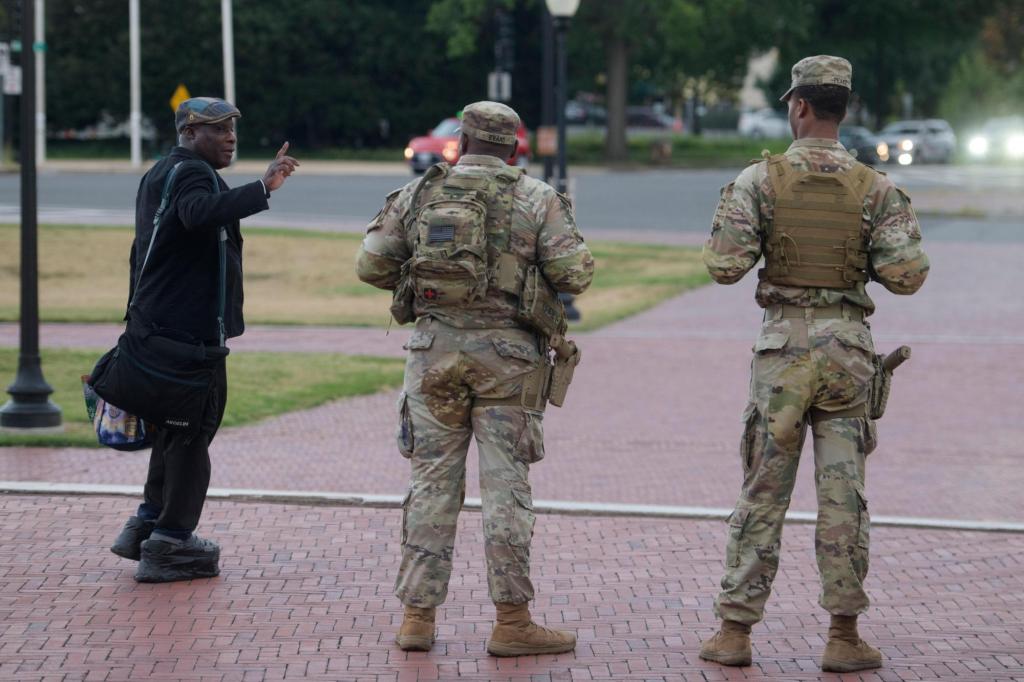

In recent days, the reopening of public schools in Washington, D.C., has unfolded under a cloud of tension and uncertainty. With thousands of National Guard troops—some armed—stationed throughout the city, parents are understandably anxious about sending their children back to classes. You may be wondering: how does this unusual security presence impact the educational environment? Let’s dive deeper into the situation and explore the implications for students, parents, and the community.
This article will discuss the current security measures in place, the reactions of local officials, and the broader context of law enforcement in the nation’s capital.
Understanding the Security Measures in D.C.
As classes resumed, a noticeable presence of armed National Guard members and federal law enforcement officers stirred concern among parents. The decision to enhance security measures came in response to directives from high-ranking officials, aimed at addressing perceived threats. Many parents are left grappling with their feelings regarding the safety of their children.
This increased security includes:
With these measures in place, the question arises: Do they truly enhance safety, or do they contribute to an atmosphere of fear?
Local Officials Weigh In on the Situation
Mayor Muriel Bowser has voiced her concerns about the impact of this military presence on children. She emphasizes the importance of schools as safe havens and urges parents to keep their kids in classrooms. In her own words, “We know that our schools are the safest places for our students.”
However, she recognizes that some families might choose to keep their children at home due to worries about security and immigration policies. The mayor’s call to action highlights the delicate balance between maintaining safety and ensuring students receive a quality education.
The Broader Context of Law Enforcement in America
The situation in D.C. isn’t unique; it reflects a growing trend of military involvement in domestic law enforcement across various cities. President Trump has indicated plans to expand troop deployments to other Democratic-led urban areas, such as Baltimore and Chicago. This raises critical discussions about the role of the military in civilian matters.
In June, thousands of National Guard troops were also dispatched to Los Angeles amid protests related to immigration policies, showcasing a pattern of heightened military responses to social unrest. But is this the right approach?
Local leaders, including Governor Gavin Newsom of California, have expressed their objections, arguing that communities should be policed by local law enforcement rather than military personnel. This sentiment echoes a broader debate about the appropriateness of military presence in civilian spaces.
What’s Next for D.C. Schools and Communities?
As the school year progresses, the community remains on edge. Parents are left to navigate their fears while hoping for a normal educational experience for their children. The presence of armed troops could deter potential threats, but it also raises questions about the long-term implications for students’ mental well-being.
Ultimately, the unfolding events in Washington, D.C., reflect a complex interplay of security, education, and community trust. As local leaders and families navigate these challenges, it’s essential to consider how best to support children in an environment marked by uncertainty.