

















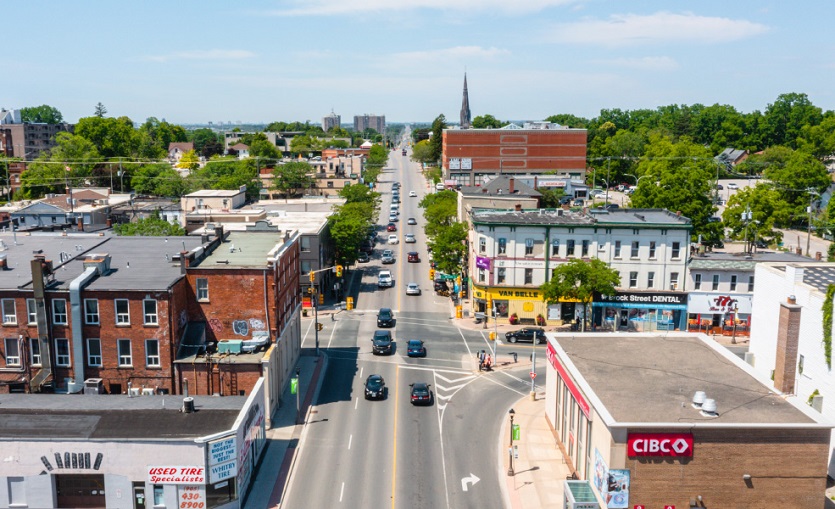

The Town of Whitby is facing a significant challenge as it navigates economic pressures impacting its budget. With inflation on the rise and community concerns about property tax increases, Mayor Elizabeth Roy recently announced a plan aimed at reducing government expenses by 5%. This move follows a clear message from residents who prioritize lower taxes, even at the cost of new local investments. How will this austerity drive shape the future of Whitby?
In this article, we will explore the key elements of Whitby’s budget strategy, the reasons behind the need for cost-cutting measures, and how the community is expected to play a role in shaping future financial decisions. We’ll also discuss the implications of these decisions on local services and infrastructure.
Understanding the Budget Cuts in Whitby
As the economic landscape continues to evolve, Whitby’s leadership is taking action to maintain financial stability amidst rising costs. The Chief Administrative Officer, Matt Gaskell, has been tasked with ensuring that each department identifies areas to cut costs by 5% for the upcoming 2026 budget. Furthermore, there are no plans to hire additional staff beyond those positions already approved in the 2025 budget.
You might wonder why these drastic measures are necessary. Mayor Roy pointed out that factors like high inflation, rapid population growth, and aging infrastructure are creating significant financial strain on the town. With these challenges, Whitby is working to balance its budget while adhering to provincial requirements that municipalities maintain a balanced budget each year.
The Impact of Provincial Policies on Local Taxes
Why are property taxes increasing across Ontario? According to Mayor Roy, part of the issue stems from historic decisions made by the provincial government in the 1990s, which transferred costs to municipalities. This means that local governments are now responsible for funding various services that fall under provincial jurisdiction, including support for homelessness and affordable housing.
Currently, nearly one-third of municipal spending in Ontario is allocated to these services, leading to a staggering $4 billion funding gap annually. Therefore, it becomes clear that the pressures felt in Whitby are not solely a result of local decisions but rather a broader systemic issue.
Community Engagement and Feedback
Residents’ voices are crucial in this budget process. In a recent engagement session, 48% of participants expressed a desire to keep taxes low, even if it meant sacrificing new investments. This feedback has not gone unnoticed. The town is actively seeking to address community concerns while maintaining essential services.
To foster further dialogue, Mayor Roy announced plans to host five “Talk Budget with Mayor Roy” events throughout the fall. These sessions will provide an opportunity for residents to connect directly with the mayor, ask questions, and share their insights, ensuring that their needs and concerns are front and center during the budgeting process.
Potential Service Reductions and Revenue Generation
While a zero percent property tax increase may sound appealing, it could lead to significant reductions in services offered to the community. Mayor Roy has highlighted that maintaining such a freeze may necessitate cuts in various recreational and public services, including:
In an effort to generate new revenue, the town is also looking into innovative solutions, such as implementing a Municipal Accommodation Tax on hotel and short-term rentals, which is set to take effect in 2024.
Through these initiatives, Whitby aims to address budgetary challenges while still providing essential services to its growing community.
Looking Ahead: The Future of Whitby’s Budget
As the town prepares for its second multi-year budget, projections for 2027 and 2028 are included, allowing for more strategic planning. This approach helps ensure that residents’ needs are met without compromising the town’s financial health.
The balancing act continues as Mayor Roy and her team strive to invest in necessary services while minimizing the financial burden on taxpayers. With community input playing a vital role, the upcoming budget process promises to be a collaborative effort aimed at securing a sustainable future for Whitby.