














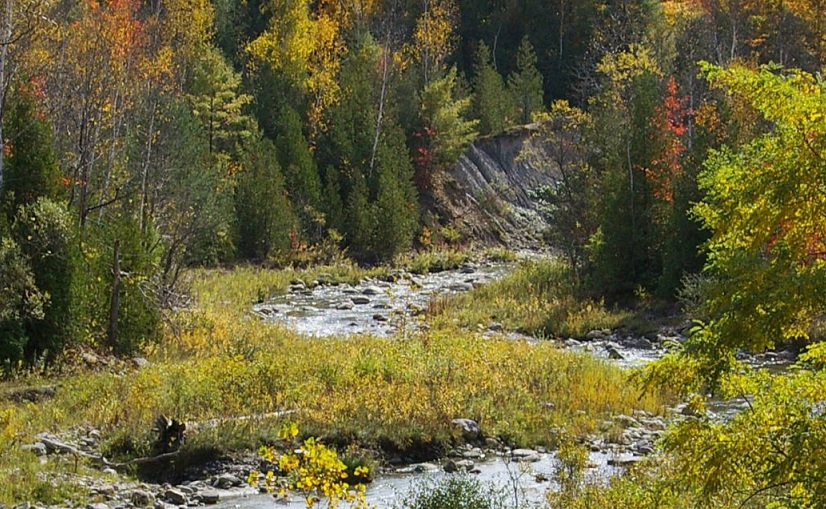

In the heart of Pickering, a vital conversation is unfolding about the future of 9,300 acres of federal land. This area, currently under scrutiny for potential development, is being championed by local environmental advocates who argue for its preservation. The demand for the transfer of these lands to Parks Canada aims to enhance Rouge National Urban Park, ensuring ecological sustainability for generations to come. So, why does this matter? As urban areas expand, the balance between development and conservation becomes increasingly precarious. In this article, we’ll explore the push for a new conservation strategy, dubbed “Option 4,” and why it could be crucial for the region’s ecological and agricultural integrity.
Understanding the Call for Preservation of Pickering Federal Lands
Mike Borie, a prominent activist from Pickering, has taken the initiative to advocate for a comprehensive preservation plan. In his correspondence with key political figures, including Prime Minister Carney, he highlights the existing proposals that lean heavily towards industrial and residential development. While economic growth is essential, Borie argues that these lands represent a finite resource that should not be compromised.
The Risks of Urban Development
Many residents and local groups, including the Mississaugas of Scugog Island First Nation, are deeply concerned about the potential consequences of developing this land. Here are some key points that underline their worries:
Advocating for “Option 4”
Borie’s proposed “Option 4” advocates for the full preservation of these federal lands. He believes that only through complete conservation can the ecological integrity of the region be maintained. Here’s what makes this option compelling:
Ecological Integrity: By preventing piecemeal development, the natural ecosystems—critical for wildlife and local water systems—can thrive.
Agricultural Security: Protecting these lands ensures that some of Canada’s best farmland remains available for sustainable food production, rather than being paved over for warehouses.
A Comprehensive Conservation Vision: Borie emphasizes that true community consultation must include conservation as a viable alternative to development, ensuring that local voices are heard and respected.
The Community’s Role in Conservation
It’s clear that local community groups, such as Land Over Landings, play a crucial role in advocating for the protection of these vital lands. As Borie succinctly puts it, “I urge both our federal and municipal leadership to pivot from a development-led vision.” Engaging with the community can lead to a more sustainable future—one that balances growth with the need for natural spaces.
In conclusion, as Pickering grapples with the decision of what to do with its federal lands, the voices of concerned residents and activists serve as a reminder of the importance of sustainability. The question remains: will the local government heed the call for preservation, or will short-term development interests prevail? Only time will tell, but the fight for these lands is far from over.