




















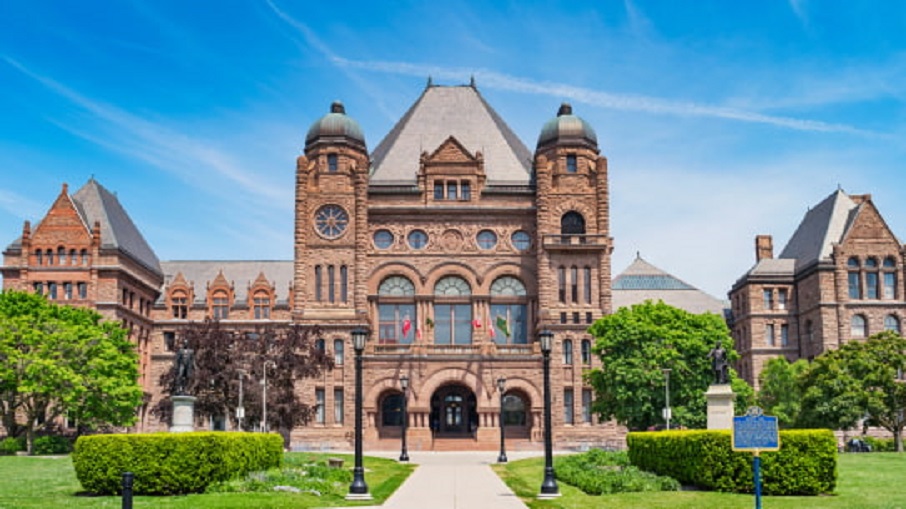

The recent developments in Ontario’s political landscape have ignited a heated debate regarding governance and public accountability. Are we witnessing a shift toward authoritarianism in our democratic institutions? With the introduction of Bill 97, concerns are mounting about the erosion of transparency and the implications for local governance. You might be wondering how this could affect you and your community.
This article delves into the controversial aspects of Ontario’s governance changes, particularly focusing on the Ford government’s proposed measures to increase control over select municipalities. We’ll explore the implications of these initiatives, the rationale behind them, and the potential consequences for residents. Keep reading to understand what this means for you and your local governance.
Bill 97: A Threat to Democratic Processes?
The introduction of Bill 97 has sparked widespread concern. Critics argue that it undermines the very foundations of democracy by allowing the provincial government to appoint regional council chairs in specific municipalities. This move, they claim, jeopardizes public accountability and transparency, which are essential for a healthy democracy.
Why should we care? Because decisions made today will shape the future of our communities. If you live in regions like Durham or Niagara, your input could be sidelined, replaced by appointments that don’t reflect the will of the people.
Understanding the Proposed Changes
Under the proposed Better Regional Governance Act, the Ontario government would gain the authority to appoint chairs in eight municipalities, including:
This bill aims to streamline decision-making and cut costs for taxpayers, but at what expense? Residents would have no direct say in who represents them, raising questions about the legitimacy of these appointments.
Why Target Specific Municipalities?
It’s puzzling that only eight municipalities are being singled out for these changes. If the government’s intentions are genuinely altruistic, wouldn’t it make sense to apply these measures more broadly, including larger urban areas like Toronto? The selective targeting of these regions raises eyebrows and invites skepticism about the true motives behind these governance changes.
The Government’s Justification
Officials at Queen’s Park argue that these changes will lead to better alignment between provincial and regional priorities. They claim that empowering regional chairs with «strong chair» powers—similar to «strong mayor» powers—will allow for more effective governance. Yet, many residents remain unconvinced.
What guarantees do we have that this will result in tangible benefits for communities? Given past controversies surrounding provincial decision-making, skepticism is warranted.
The Potential Consequences for Residents
If Bill 97 passes, residents will find themselves with diminished influence over local governance. Decisions that directly impact your community could be made without your input or consent. This raises significant concerns about accountability—how can you hold decision-makers accountable if they are not elected by you?
The implications of this legislation could be profound, affecting everything from local infrastructure to community services. Are you prepared to accept decisions that could alter your daily life without your voice being heard?
What’s Next for Ontario’s Governance?
As the debate unfolds, it’s crucial for residents to stay informed and engaged. Your Members of Parliament play a key role in this process, and their stance on Bill 97 could shape the governance landscape for years to come. It’s time to ask yourself: How much control are you willing to relinquish over your local government?
The future of your community may depend on your engagement and advocacy during this pivotal moment in Ontario’s political history.