



















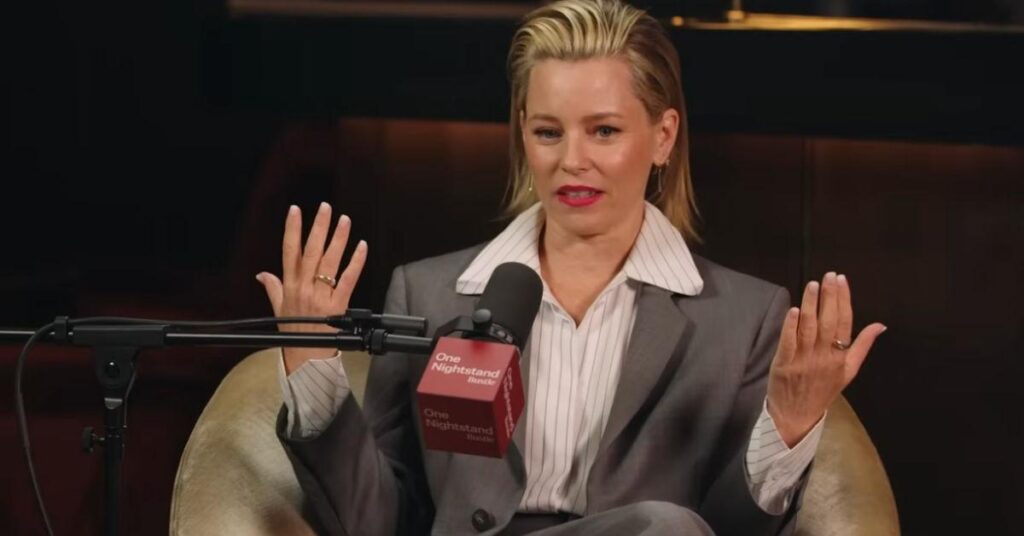
Elizabeth Banks has sparked significant conversation by criticizing the 53% of white women who opted for Donald Trump instead of Kamala Harris in the 2024 election. This statistic raises eyebrows, especially considering the importance of representation and equality in today’s political landscape. How can such a considerable percentage support a candidate who many perceive as divisive? In this article, we’ll delve into the implications of this voting trend, explore the reasons behind these choices, and examine the broader context of women’s voting behavior in contemporary politics.
The Impact of Women’s Votes in Elections
Women have long been a crucial demographic in electoral outcomes. Their voting patterns can significantly influence the direction of policies and leadership. Yet, the recent data showing that over half of white women supported Trump raises questions about priorities and values.
- Understanding the motivations behind voting choices is essential.
- The role of socioeconomic factors cannot be overlooked.
- Media portrayal and societal expectations also play a part.
Why do some women feel aligned with a candidate who often contradicts the principles of equality and inclusion?
Exploring the Reasons Behind Voting Choices
When you consider the reasons behind these voting patterns, several factors emerge. Many white women may prioritize issues such as the economy, healthcare, or tax policies over social justice. Yet, this focus can overshadow the importance of representation and the fight for equality.
Also, some women might feel a connection to Trump’s rhetoric or policies that promise economic growth. However, others argue that supporting a candidate with such a controversial history undermines progress for marginalized groups.
The Voices of Women in Politics
Kamala Harris represents a shift in political representation. As the first woman of South Asian and African American descent in such a high office, her presence challenges traditional norms. Yet, how do her policies resonate with women, particularly white women?
It’s crucial to recognize that voting is a deeply personal decision. For some, identity politics might not hold as much weight as economic concerns. Nevertheless, the dialogue around women’s roles in politics continues to evolve, highlighting the need for greater understanding and empathy.
Broader Context: Women and Political Identity
The voting behavior of white women reflects a complex intersection of race, class, and gender. As you analyze this issue, consider how cultural narratives shape perceptions and voting decisions.
Many women are navigating conflicting identities in a rapidly changing political environment. Additionally, societal expectations often impact their choices, leading to a disconnect between personal beliefs and public actions.
Ultimately, these dynamics underscore the necessity for ongoing conversations about representation and the future of women in politics. Understanding these nuances can pave the way for more inclusive discussions and policies that resonate with all voters.