



















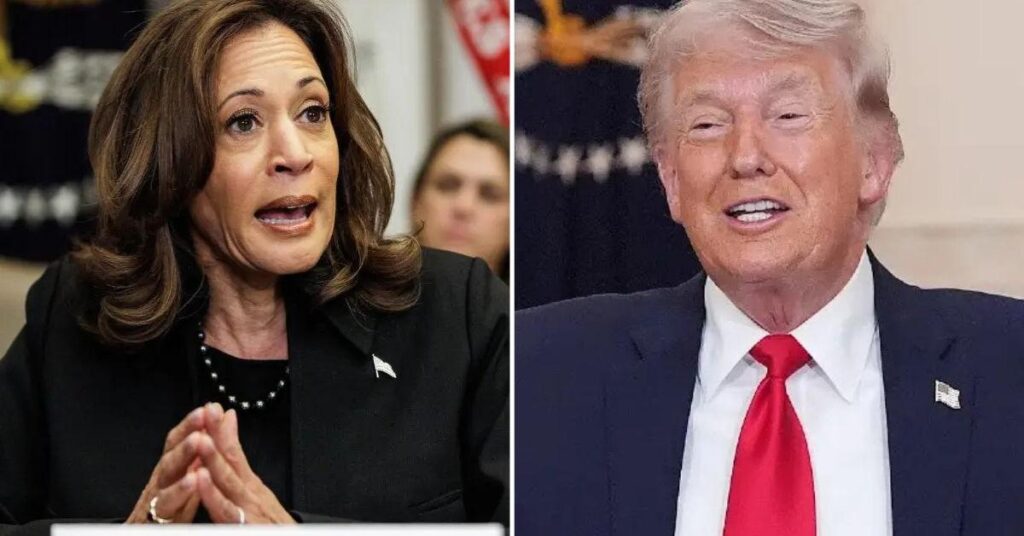
Kamala Harris recently made headlines with her striking impression of Donald Trump, which quickly gained traction across social media platforms. Many users described her performance as “cringe” and “insufferable,” igniting discussions about political satire and its limits. Have you ever wondered how political figures use humor to connect with the public? In this article, we’ll explore the impact of Harris’ impression, the reactions it sparked, and the broader implications of political mimicry in today’s digital age.
Understanding the Viral Moment
When Kamala Harris impersonated Donald Trump, it wasn’t just a lighthearted jest; it was a calculated move in an ongoing political dance. For many, the moment was amusing, while others found it to be in poor taste. This divergence in reactions highlights how humor can resonate differently among various audiences.
Political impressions can be a double-edged sword. They can either strengthen a politician’s image or backfire spectacularly. In this case, Harris aimed to engage younger voters by using humor, but did it land well?
Social Media Reactions: A Mixed Bag
As the video spread, the comments section exploded with opinions.
This spectrum of feedback underscores how humor in politics can polarize audiences. Did you find it funny, or did it fall flat?
The Role of Humor in Politics
Humor has long been a tool for politicians. It serves multiple purposes:
However, timing and delivery are crucial. A poorly executed joke can lead to backlash, as seen in the reactions to Harris’ impression. Why do some people embrace political humor while others recoil from it?
Implications for Future Political Discourse
As we move further into an era dominated by digital communication, the stakes of political impressions grow. Social media amplifies every joke, every mimicry, and every comment. This creates a unique environment where the line between humor and offense is often blurred.
Political figures must navigate this landscape carefully. The potential for a viral moment can be enticing, but the consequences can be severe. Will future politicians take this as a lesson, or will they continue to push boundaries?
Final Thoughts on Political Impressions
Kamala Harris’ impression of Donald Trump serves as a case study in the complexities of political satire. While it can entertain and engage, it can also divide and alienate. As you reflect on this event, consider how humor shapes your perception of political figures. Does it enhance your connection to them, or does it create distance?