


















Researchers at UCLA have made a groundbreaking advancement in gene editing that could transform medicine as we know it. Imagine being able to insert a complete, healthy gene into human cells using lipid nanoparticles. This innovative method not only holds promise for treating genetic disorders but could also pave the way for new therapies to combat a variety of diseases. Have you ever thought about how gene therapy could change the lives of millions?
In this article, we’ll dive into the details of this revolutionary technique, explore its potential applications, and discuss what it means for the future of healthcare. From the science behind lipid nanoparticles to the implications of successful gene insertion, we’ll cover all the key points you need to know.
Understanding Lipid Nanoparticles in Gene Editing
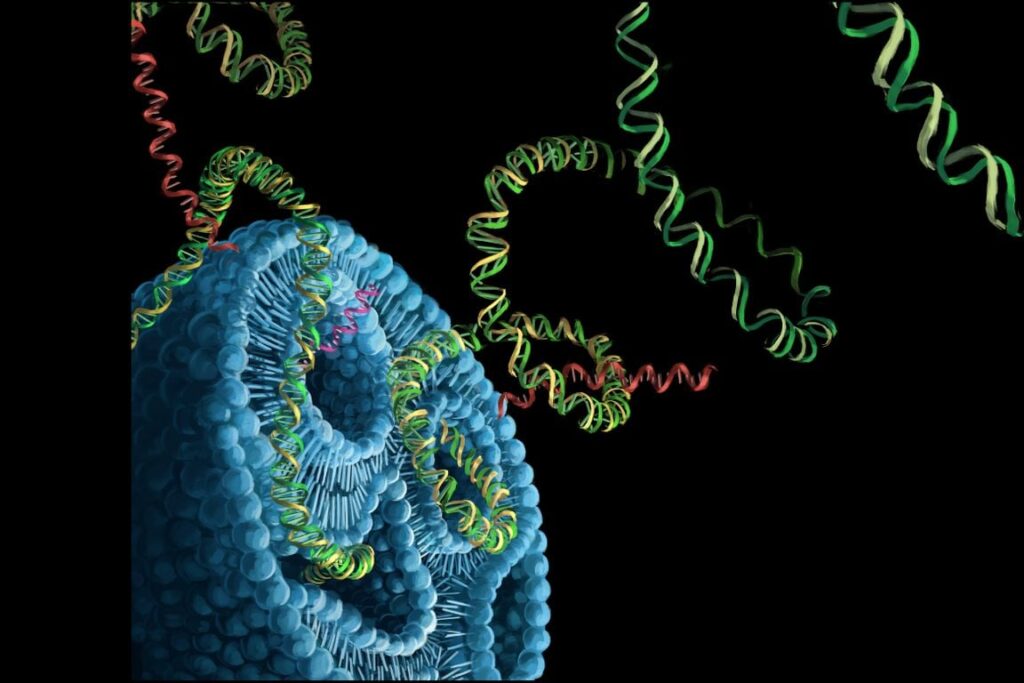
Lipid nanoparticles are tiny carriers that encapsulate genetic material, allowing for efficient delivery into cells. But why are they so effective?
- They enhance the stability of genetic material.
- They facilitate cellular uptake, improving delivery efficiency.
- They can be tailored for specific targeting.
This technology is particularly crucial in gene therapy, where precise delivery can mean the difference between success and failure. With researchers leveraging these nanoparticles, the possibilities for gene therapy are expanding rapidly.
The Process of Gene Insertion
So, how does this new approach actually work? The UCLA team has developed a technique that allows entire genes to be inserted into the genome. Here’s a simplified breakdown of the process:
- Preparation of the Lipid Nanoparticles: Scientists design nanoparticles to carry the desired gene.
- Delivery into Cells: These particles enter human cells, releasing the gene.
- Integration into the Genome: The healthy gene integrates into the cell’s DNA, replacing faulty ones.
This method is not just about fixing genetic errors; it opens a new frontier for treating diseases that were previously thought to be untreatable.
Potential Applications of this Gene-Editing Technique
Imagine the impact of this technology across various fields of medicine. The potential applications are vast, including:
- Treating inherited genetic conditions.
- Targeting cancer cells more effectively.
- Developing personalized medicine tailored to individual genetic profiles.
Each of these applications could significantly improve patient outcomes and quality of life. The excitement surrounding these possibilities is palpable, as researchers continue to explore the boundaries of what can be achieved.
Challenges and Considerations in Gene Editing
While the advancements are promising, challenges remain. For instance, ensuring that the inserted gene functions correctly without unintended consequences is crucial.
Additionally, ethical considerations must be addressed. Questions such as these arise:
- What does it mean to alter human DNA?
- How will this technology be regulated?
As scientists push the envelope, society must engage in discussions about the implications of gene editing.
Looking Ahead: The Future of Gene Therapy
The future of gene therapy is bright, thanks to innovations like those from UCLA. With ongoing research and development, the hope is that this technology will become a standard treatment for various diseases.
Will we soon see a world where genetic disorders are no longer a burden? As we continue to understand the complexities of our genetics, the potential for healing becomes increasingly tangible. Keep an eye on this field—it’s evolving rapidly, and you won’t want to miss what comes next.