



















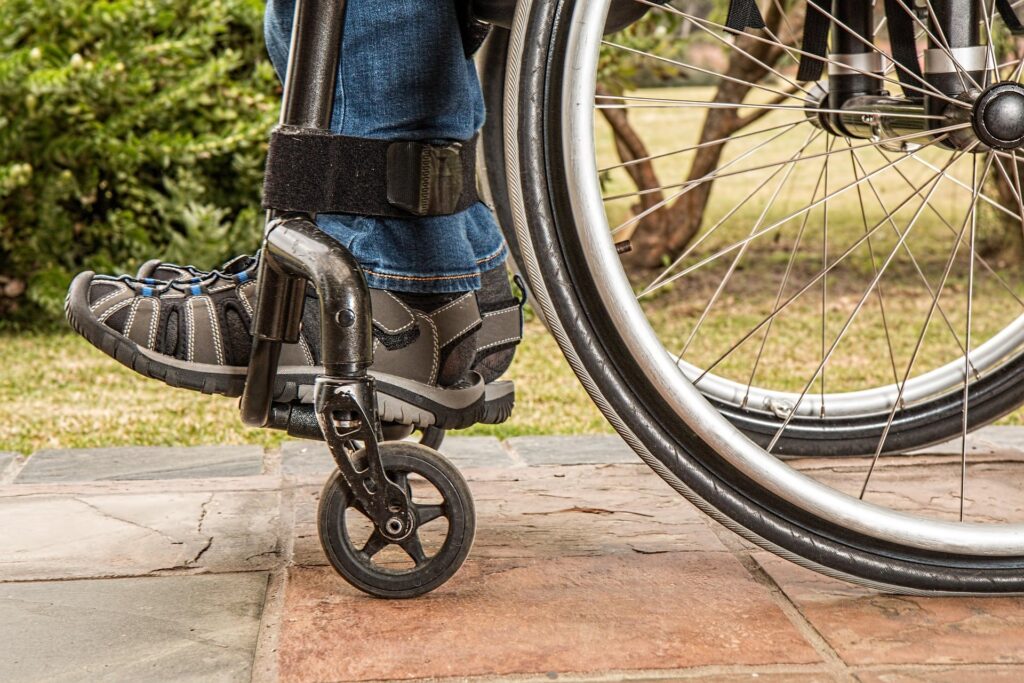
In recent studies, scientists have unveiled groundbreaking findings that could reshape the future of spinal cord injury treatment. Imagine a world where individuals can regain movement after paralysis through innovative techniques. Researchers have demonstrated that electrical stimulation of the spinal cord not only restores voluntary movement but also enhances the quality of life for those affected. This research opens up a realm of possibilities, prompting questions about how far we can push the boundaries of medical science. Have you ever wondered how such advancements can impact daily living for patients? In this article, we will delve into the exciting developments surrounding spinal cord stimulation, exploring its mechanisms, potential benefits, and the implications for rehabilitation.
The Mechanism Behind Spinal Cord Stimulation
So, how does spinal cord stimulation work? Essentially, this technique involves delivering electrical impulses directly to the spinal cord. These impulses can activate nerve pathways that were previously inactive due to injury. When the spinal cord receives this stimulation, it can facilitate communication between the brain and muscles, allowing for better control over movement.
It’s fascinating to note that the technology is not entirely new. However, recent advancements in precision and understanding of neural pathways have significantly improved its effectiveness. Researchers are continuously refining the methods to enhance outcomes for patients, leading to more promising results in clinical trials.
Benefits for Patients with Spinal Injuries
You might be curious about how these advancements can specifically benefit those suffering from spinal injuries. Here are some key advantages:
These benefits underscore the potential of spinal cord stimulation to transform lives, giving hope to those who may have felt it was lost.
Current Research and Clinical Trials
Researchers are actively engaged in a variety of clinical trials to further explore the efficacy of spinal cord stimulation. These studies not only assess movement restoration but also look into long-term impacts on patients’ lives. For instance, they analyze how stimulation affects muscle strength, coordination, and even emotional well-being.
Additionally, experts are investigating optimal stimulation patterns and dosages to maximize results. As we delve deeper into understanding the nervous system, the possibilities for tailored therapies become more apparent. Isn’t it exciting to think that we are just scratching the surface of what might be achievable?
Potential Challenges and Considerations
Despite the promising results, challenges remain. For one, not every patient is a suitable candidate for spinal cord stimulation. Factors such as the type and severity of injury can influence outcomes. Moreover, the technology requires careful calibration and monitoring, which can be resource-intensive.
Furthermore, ethical considerations arise, especially regarding access to these advanced treatments. How can we ensure that all individuals, regardless of their circumstances, benefit from such innovations? As the field advances, these discussions will be crucial in shaping equitable healthcare solutions.
Looking Ahead: The Future of Spinal Cord Treatment
As research continues, the future of spinal cord injury treatment looks brighter than ever. With ongoing innovations in electrical stimulation techniques, the potential for restoring movement and improving lives expands. What does this mean for you or someone you care about who may be affected by spinal injuries?
In a world where technology and medicine intersect, staying informed about these advancements is vital. Whether you’re a patient, a caregiver, or simply curious about medical breakthroughs, understanding spinal cord stimulation could offer valuable insights into the evolving landscape of rehabilitation and recovery.