



















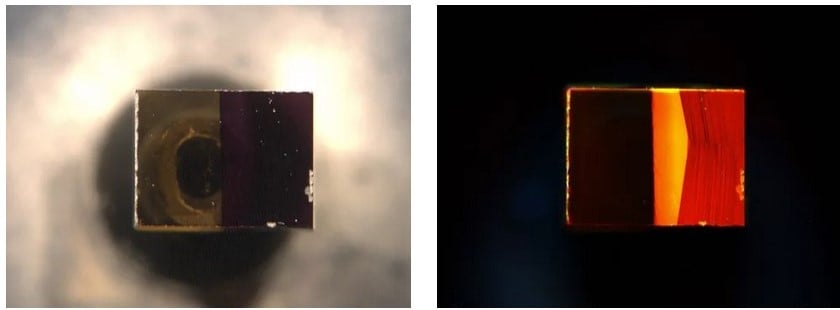
Have you ever wondered about the hidden secrets of diamonds? They’re not just a symbol of luxury; they hold fascinating scientific mysteries. Recently, researchers from the University of Warwick uncovered some intriguing findings about “hot spots” surrounding atomic defects in diamonds. This discovery challenges long-held beliefs in the field of materials science. Curious about what this means for both the scientific community and the diamond industry? Read on to explore how these revelations could reshape our understanding of one of nature’s most coveted materials.
Understanding Atomic Defects in Diamonds
Diamonds are renowned for their brilliance and hardness, but what happens at the atomic level? Essentially, an atomic defect occurs when one or more atoms in the diamond lattice are out of place. These defects can significantly influence the diamond’s physical properties. Researchers found that these disturbances create localized areas of increased energy, commonly referred to as “hot spots.”
But why is this important? Well, these hot spots can affect how diamonds interact with light and heat, which has implications for both industrial applications and jewelry design.
The Significance of “Hot Spots” in Diamond Research
When scientists examined these hot spots, they discovered that they could lead to unexpected behaviors in diamonds. For instance, some of these areas can enhance a diamond’s ability to conduct electricity or even modify its color. This opens up exciting possibilities for technological innovations, particularly in electronics and photonics.
Furthermore, understanding these defects allows researchers to manipulate diamonds for specific applications, making them not just beautiful but also functional.
Challenging Existing Assumptions in Materials Science
This groundbreaking study challenges traditional views on how diamonds are formed and function. Previously, many assumed that defects were merely flaws that diminished a diamond’s value. However, this new perspective shows that these imperfections can be harnessed for various uses.
Moreover, this research could lead to more sustainable practices in diamond mining and production. As scientists continue to study these hot spots, we might discover new methods to create synthetic diamonds that possess desirable qualities without the environmental impact of traditional mining.
Implications for the Jewelry Industry
For those in the jewelry business, these findings could revolutionize how diamonds are marketed. Imagine a world where consumers are informed about the unique properties of each diamond, not just their clarity and cut. Instead, they could appreciate the scientific marvel behind a piece’s atomic structure.
Moreover, jewelers could start highlighting the performance of diamonds with specific atomic defects, appealing to a more knowledgeable and eco-conscious customer base.
The Future of Diamond Research
So, what’s next? With ongoing research, scientists aim to delve deeper into the properties of diamonds and their defects. The potential for new applications is vast, from medical technologies to advanced computing systems.
As you can see, the world of diamonds is evolving. The recent discoveries from the University of Warwick are just the tip of the iceberg. As researchers continue to peel back the layers, who knows what other secrets these gemstones might reveal?