



















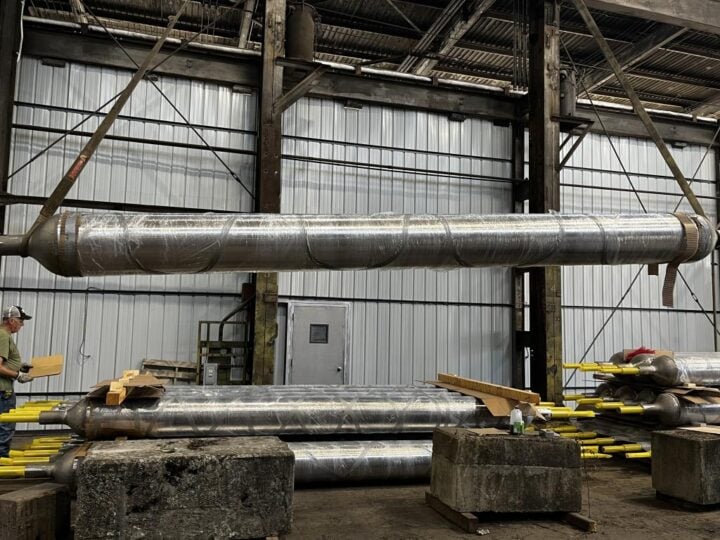
For over three decades, Oak Ridge National Laboratory (ORNL) has been at the forefront of developing high-temperature alloys, driving innovations that have a profound impact on various industries. But what exactly are high-temperature alloys, and why should you care? These specialized materials are crucial for applications where durability and resistance to extreme conditions are non-negotiable. From aerospace to energy production, the significance of these alloys cannot be overstated. In this article, you’ll discover how ORNL has influenced the landscape of materials science, the applications of these alloys, and the future potential that lies ahead.
Understanding High-Temperature Alloys
High-temperature alloys are engineered to withstand intense heat and stress. You might wonder, what sets them apart from regular metals? Well, these alloys often contain nickel, cobalt, or iron, which enhance their mechanical properties. Additionally, they can endure temperatures exceeding 1,000 degrees Fahrenheit without losing structural integrity. This makes them invaluable in sectors like aerospace, where parts must perform reliably under extreme conditions.
The Role of Oak Ridge National Laboratory
At ORNL, researchers have been tirelessly working to refine these materials. Their dedication is not just about creating stronger alloys; it’s about expanding their applicability. For instance, ORNL has explored how high-temperature alloys can be used in nuclear reactors, jet engines, and even gas turbines. Their research efforts are paving the way for advancements that could lead to more efficient energy use and safer aerospace technologies.
Applications of High-Temperature Alloys
You might be surprised at how many industries rely on high-temperature alloys. Here are some key applications:
The Future of High-Temperature Alloys
Looking ahead, the future of high-temperature alloys is promising. With ongoing research at ORNL, we can expect breakthroughs that will enhance their performance even further. Imagine lighter, more efficient alloys that could revolutionize energy use and emissions in various sectors. Researchers are also exploring the potential for recyclability of these materials, making them more sustainable and environmentally friendly.
In an era where technological advancement is vital, understanding high-temperature alloys is more crucial than ever. You may find yourself more aware of their significance in everyday applications, whether you’re flying in a plane or using energy produced from cutting-edge power plants. As ORNL continues to innovate, the evolution of these alloys will undoubtedly shape the future landscape of multiple industries. So, keep an eye on this exciting field—it’s bound to impact your life in ways you might not even realize.