

















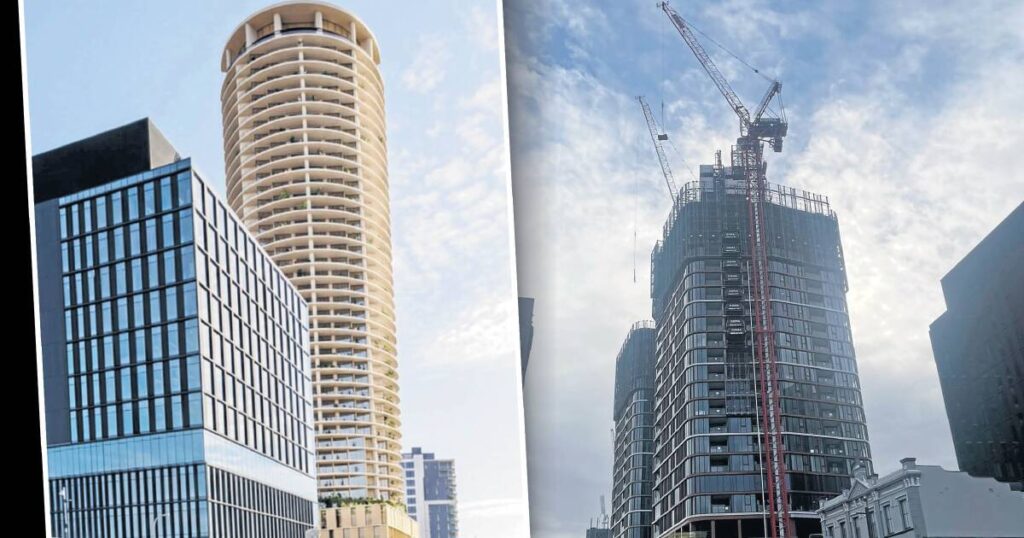

The skyline of a city often reflects its growth, ambition, and identity. In Newcastle, the emergence of towering structures is not just a trend; it’s a transformative shift that reshapes the perception of the entire region. Have you ever thought about how architectural developments can redefine a city’s character? As these impressive buildings rise, they bring both aesthetic appeal and practical benefits, marking a new era for Newcastle.
In this article, we will explore the impact of tall buildings in Newcastle, examining how they influence urban development, community dynamics, and the overall image of the city. Let’s delve into the reasons behind this architectural boom and what it means for both residents and visitors.
Why Tall Buildings Matter to Newcastle
Tall buildings are more than just structures; they symbolize progress and modernization. As Newcastle evolves, these skyscrapers represent a commitment to urban renewal. They not only provide additional housing but also create spaces for businesses, cultural activities, and public amenities. This growth can attract new residents and tourists alike, fostering a vibrant atmosphere.
Moreover, consider the economic benefits. With new offices and commercial spaces, local businesses thrive, leading to job creation and increased investments. This cycle of growth has the potential to elevate Newcastle’s status as a key player in the region.
The Aesthetic Transformation of the City
The architectural landscape significantly influences how people perceive a city. Newcastle is no exception. The new skyline offers a fresh visual appeal that can change the way residents and tourists experience the area. As you stroll through the city, the sleek lines and modern designs of these buildings can evoke a sense of pride and excitement.
Additionally, these structures are often designed with sustainability in mind, incorporating green technologies and eco-friendly materials. This commitment to environmental responsibility not only enhances the city’s image but also promotes a healthier lifestyle for its inhabitants.
Community Impact and Engagement
As tall buildings rise, they can unite communities or create divisions. It’s crucial to engage with local residents during the planning and development phases. By fostering open dialogue, developers can ensure that the needs and concerns of the community are addressed. This collaboration can lead to more inclusive spaces that cater to everyone.
Furthermore, consider how these buildings can serve as landmarks, fostering a sense of identity. They can become gathering spots where people connect, whether through events, markets, or simply enjoying the view. This sense of belonging is vital in creating a cohesive urban community.
Challenges and Considerations
Despite their benefits, the rise of tall buildings does come with challenges. Issues such as traffic congestion, infrastructure strain, and the potential for overshadowing historical areas must be carefully managed. It’s essential to strike a balance between development and preservation, ensuring that Newcastle retains its unique charm.
Additionally, as the population grows, the demand for public services and amenities increases. How can the city adapt to these changes? Strategic planning and investment in infrastructure are key to maintaining a high quality of life for all residents.
The Future of Newcastle’s Skyline
The future looks bright for Newcastle as it embraces this architectural evolution. With ongoing developments and innovative designs, the city is poised to become a hub of activity and creativity. As you witness these changes, consider how they might shape your own experience in Newcastle.
As the city continues to grow, it will be exciting to see how these tall buildings further enrich the urban landscape, bringing new opportunities and experiences for everyone involved. So, what do you think about the rise of these structures? Are they a beacon of progress or a potential source of challenges?