

















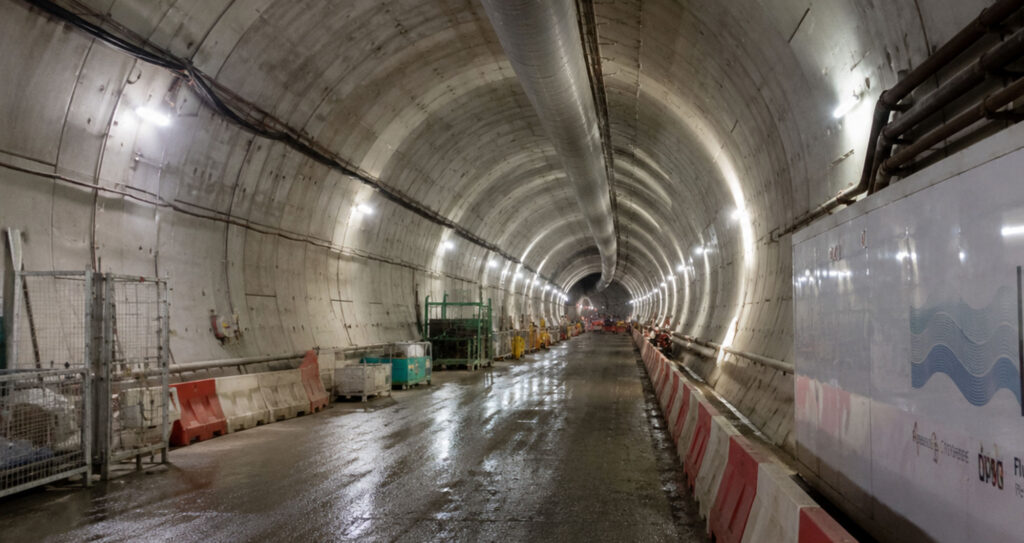

With the much-anticipated Silvertown Tunnel set to open beneath the Thames, connecting Greenwich and Newham, London stands on the brink of a significant transformation in its transportation landscape. As supporters highlight the potential for reduced congestion at the heavily trafficked Blackwall Tunnel, critics raise concerns about toll implications, traffic flow, and air quality issues affecting nearby communities. So, what does this new development mean for residents and commuters alike? Let’s dive into the essential details surrounding this major infrastructure project.
This article will explore the various aspects of the Silvertown Tunnel, including toll structures, traffic implications, air quality concerns, and how it will affect local communities. You’ll find insights into the potential benefits and challenges, as well as what you can expect as the launch date approaches.
The Toll Structure: What You Need to Know
Transport for London (TfL) has announced that both the Silvertown and Blackwall tunnels will operate on a toll system aimed at managing traffic flow. Although pricing specifics are still being finalized, the goal is to distribute traffic evenly throughout the day and maintain a smooth transportation network. Moreover, there will be provisions for discounts targeting local residents and low-income drivers, although details have yet to be fully disclosed.
You might wonder how this toll system will impact your daily commute. Some local businesses argue that the convenience of predictable travel times justifies the tolls, while others worry that the fees could push drivers to alternative routes, potentially creating more congestion elsewhere.
Traffic and Air Quality: A Local Perspective
The concerns regarding air quality are particularly pressing in boroughs like Greenwich and Newham, where roads are already saturated with vehicles. TfL’s analysis indicates that the new tunnel could alleviate congestion at the Blackwall approaches, reducing both traffic jams and idle time for vehicles. However, critics caution that increased road capacity may lead to more trips, negating the intended benefits.
To address these issues, officials plan to introduce new bus routes across the Silvertown Tunnel, implement Ultra Low Emission Zone (ULEZ) standards, and continuously monitor air quality post-opening. The effectiveness of these measures will be crucial for evaluating the overall impact of the tunnel on local communities.
Impact on Greenwich, Newham, and the Blackwall Tunnel
The Silvertown Tunnel aims to ease the burden on the notoriously congested Blackwall Tunnel, which frequently experiences closures and delays. If successful, this new link could mean fewer unexpected traffic jams, prioritized bus routes, and a more resilient transportation network during emergencies.
However, local residents are closely scrutinizing potential consequences for side streets. In areas like Greenwich Peninsula and Silvertown, there are valid concerns about increased traffic and safety risks, particularly near schools. Community leaders are advocating for effective traffic management strategies to ensure that main roads handle the majority of vehicle movements.
Freight, Buses, and the Broader Transportation Strategy
For the freight industry, the Silvertown Tunnel could significantly reduce delays when crossing the Thames. Many heavy vehicles currently avoid the Blackwall Tunnel during peak hours, resulting in costly detours. Businesses are hopeful that this new route will streamline operations and minimize disruptions.
Additionally, TfL’s bus network plans include dedicated lanes and direct routes across the river, aiming to provide a quicker public transport option and encourage a shift away from private car use. However, advocacy groups argue that investments should prioritize public transport, cycling, and walking infrastructure, emphasizing the need for careful management of road capacity.
Upcoming Milestones: What to Expect
As the opening date nears, TfL is expected to announce the official launch, operational hours, and the toll pricing structure. Details regarding any concessions for residents and support for small businesses will also be made available. Staying informed is crucial, so keep an eye on regular updates regarding London’s transport network.
For ongoing coverage of transport and planning in London, make sure to check out dedicated news sections. You’ll want to stay updated on the first weeks of operation and the independent monitoring results that will emerge as traffic patterns evolve.
Key Takeaway: The Silvertown Tunnel represents a pivotal moment for London’s transport system. While it promises to ease congestion and enhance local economies, its success will hinge on implementing effective tolls, traffic management, and thorough monitoring of air quality impacts.