


















In today’s healthcare landscape, the role of nurses is evolving dramatically. Have you ever wondered how nurses can bridge the gap in areas lacking general practitioners (GPs)? As healthcare systems face shortages and overwhelming demands, nurses are stepping up, providing essential services and improving community health outcomes. This article delves into the crucial contributions of nurses in underserved areas, highlighting their capabilities, responsibilities, and the positive impacts they have on public health.
The Growing Demand for Healthcare Services
With a rising population and increasing healthcare needs, the demand for medical professionals has surged. In many regions, especially rural or remote areas, access to GPs can be limited. Consequently, the reliance on nurses has grown significantly. They are not only equipped with the knowledge and skills to provide care but also play a vital role in filling the void left by unavailable doctors.
Nurses as Primary Care Providers
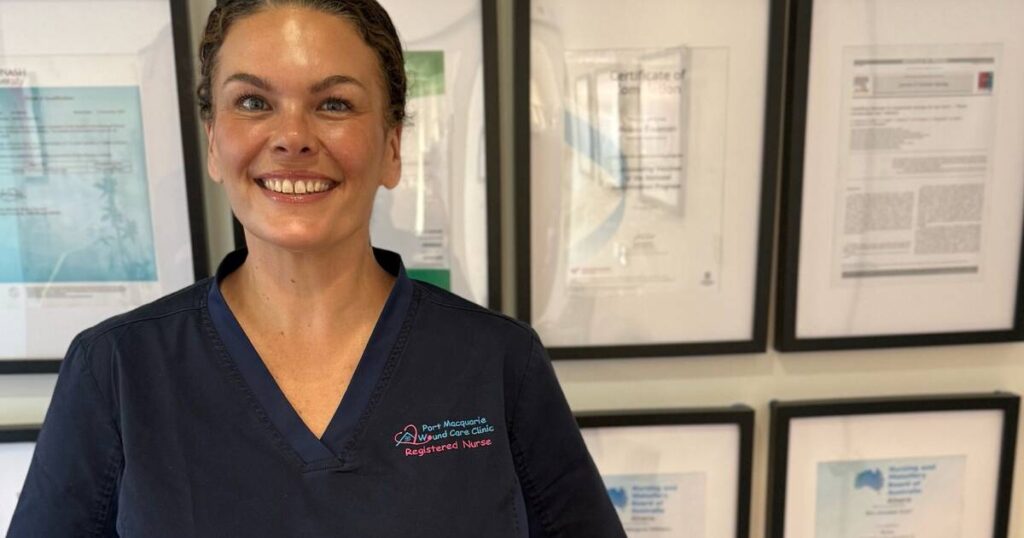
Nurses can function as primary care providers in many situations. They are trained to assess, diagnose, and treat various health conditions. In fact, nurses have the expertise to manage chronic diseases, conduct health screenings, and offer preventive care, all of which are critical in maintaining community health. This versatility allows them to cater to the needs of patients when GPs are not accessible.
Building Trust in the Community
Furthermore, nurses often establish strong relationships within their communities. They frequently provide care in familiar environments, fostering trust and rapport with patients. This connection is particularly important in areas where individuals may feel reluctant to seek help from unfamiliar providers. By being present and approachable, nurses can encourage people to take charge of their health and seek necessary medical attention.
Expanding Access to Care
In many instances, nurses also work collaboratively with other healthcare professionals to ensure comprehensive care. They can refer patients to specialists or coordinate with other services, which enhances the overall healthcare experience. This collaboration not only improves patient outcomes but also ensures that communities have access to the services they need.
Overcoming Barriers to Healthcare
Additionally, nurses are instrumental in addressing barriers to healthcare access. They often advocate for patients, helping them navigate the complexities of the healthcare system. This advocacy is particularly crucial for marginalized communities who may face additional challenges in accessing care. By providing education and resources, nurses empower individuals to make informed health choices.
The Future of Nursing in Community Health
Looking ahead, the role of nurses in community health will likely continue to expand. As healthcare systems innovate and adapt, nurses will remain at the forefront, ensuring that communities receive the care they deserve, especially in areas where traditional medical services are lacking. Their contributions are essential not only for individual patients but for the overall health of the community.
Conclusion
In summary, the increasing reliance on nurses in areas lacking GPs highlights their vital role in healthcare. Whether acting as primary care providers, building trust within communities, or advocating for patients, nurses are indispensable. Their skills and dedication significantly contribute to improving health outcomes and ensuring that everyone has access to quality care. So, next time you think about healthcare, remember the crucial impact that nurses make on our communities.