



















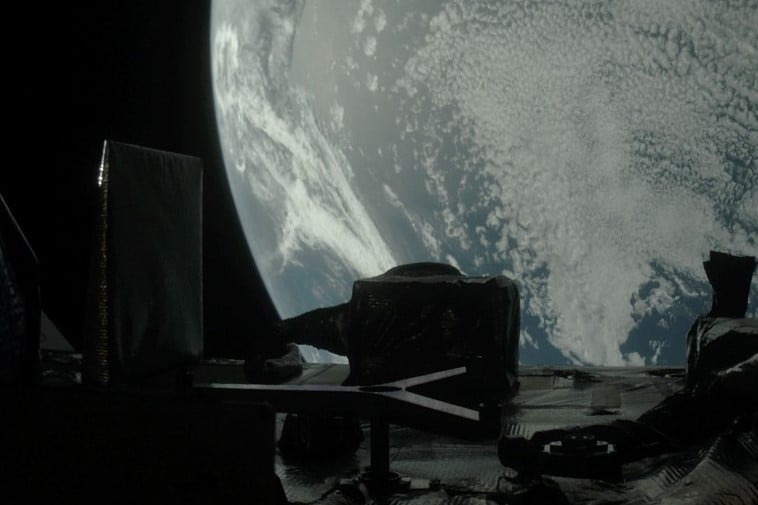
In 2023, the space exploration community celebrated a significant milestone: the successful collection of a sample from asteroid Bennu and its return to Earth. This achievement opens new doors for understanding the origins of our solar system and potentially the building blocks of life itself. Have you ever wondered what secrets lie within these cosmic rocks? As scientists eagerly prepare to analyze the material, the implications of this mission could reshape our knowledge of planetary formation and the history of life on Earth. In this article, we’ll delve into the details of the Bennu mission, explore its scientific significance, and discuss what we might learn from this celestial treasure.
The Mission: A Leap into the Unknown
NASA’s OSIRIS-REx mission was launched in 2016 with a singular goal: to gather samples from the surface of asteroid Bennu. This asteroid, which measures about 1,600 feet in diameter, is considered a remnant from the early solar system. By studying Bennu, scientists aim to unlock the mysteries of how planets formed and how organic materials might have arrived on Earth.
The spacecraft traveled over 200 million miles, performing complex maneuvers to reach its target. Once it arrived, OSIRIS-REx executed a delicate operation known as «TAG» (Touch-and-Go), where it briefly touched the surface to collect a sample. This process was not just a technical achievement; it demonstrated our growing capabilities in space exploration.
What’s Inside the Sample?
Now that the sample has returned, you might be asking, what can we actually learn from this material? The analysis will focus on several key areas:
- The Chemical Composition: Scientists will examine the minerals and organic compounds present in the sample to understand the building blocks of life and how they may have formed.
- Planetary Formation: By comparing the sample to meteorites and other celestial bodies, researchers can gain insights into the processes that shaped our solar system.
- Water and Organic Materials: Understanding whether Bennu contains water or organic molecules can shed light on the potential for life beyond Earth.
Each of these areas holds the promise of revealing not just the history of Bennu, but also the broader narrative of our cosmic neighborhood.
Scientific Collaborations and Future Research
Moreover, this mission is not just a solo endeavor. Scientists from around the globe are collaborating to analyze the sample. This international effort underscores the importance of shared knowledge in the field of astrobiology and planetary science. Various labs will focus on different aspects of the sample, ensuring a comprehensive understanding of its properties.
As research progresses, the findings could influence not only our understanding of asteroids but also how we approach future missions. Are we prepared to explore even further into our solar system, and what other mysteries await us?
The Broader Implications of Asteroid Exploration
Furthermore, missions like OSIRIS-REx highlight the potential benefits of asteroid mining. With resources on Earth becoming increasingly scarce, asteroids represent a new frontier for acquiring materials. The technologies developed for these missions may one day facilitate the extraction of metals and other resources from asteroids, altering the landscape of space resource utilization.
In addition, understanding the composition of asteroids can help us develop strategies for planetary defense. If we can identify potentially hazardous asteroids, we may be able to devise methods to divert them, ensuring the safety of our planet.
Looking Ahead: The Next Steps
As the scientific community awaits the results from the Bennu sample, anticipation is running high. Future missions are already being planned, focusing on other asteroids and celestial bodies. Each new exploration brings the possibility of groundbreaking discoveries that could redefine our understanding of life in the universe.
So, as we stand on the brink of new revelations, one thing is certain: the cosmos holds many secrets, and we are just beginning to scratch the surface. What other wonders lie beyond our atmosphere, waiting to be uncovered?