
















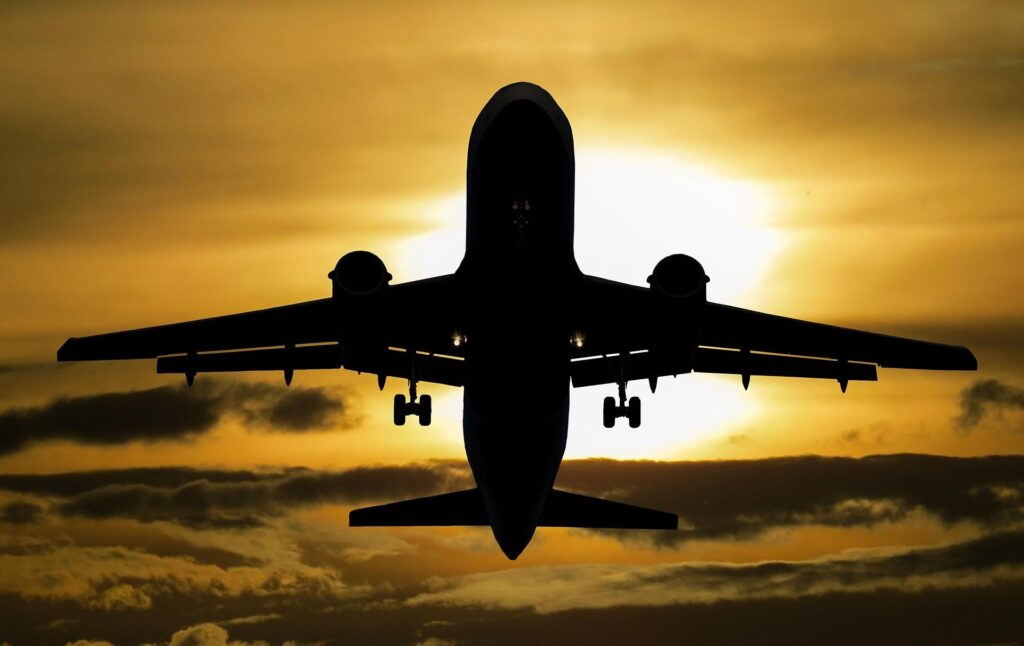
Turbulence can transform an otherwise smooth flight into a bumpy and uncomfortable experience. Have you ever wondered why some flights feel like a roller coaster, while others glide seamlessly through the skies? Understanding turbulence is crucial for both passengers and airlines, as it can impact not just comfort levels but also safety. Recent advancements in technology have led to the development of innovative tools to help pilots avoid turbulent zones, enhancing the overall flying experience. In this article, we will delve into what turbulence is, how it affects flights, and explore the cutting-edge solutions being implemented to mitigate its effects.
Understanding Turbulence: What You Need to Know
Turbulence refers to the irregular motion of air that can cause sudden shifts in altitude or direction. It can be caused by various factors, including:
While turbulence is a normal part of flying, it can lead to anxiety for some passengers. In fact, many people dread the thought of a bumpy ride. But is it really as dangerous as it feels?
Why Turbulence Happens: The Science Behind It
It’s not just random; turbulence often occurs when different air masses collide. For instance, when warm and cold air meet, the resulting instability can lead to bumpy conditions. Furthermore, flying at high altitudes presents unique challenges, as pilots must navigate through various layers of atmospheric pressure and temperature.
So, how do pilots manage turbulence? Understanding the phenomenon is the first step. They receive updates from air traffic control and utilize weather radar systems to anticipate and avoid rough patches. However, there’s more to it.
Innovative Solutions for Turbulence Avoidance
Recent research has led to the creation of advanced turbulence avoidance tools. These technologies provide real-time data, enabling pilots to make informed decisions about their flight paths. Some key features include:
These tools not only enhance passenger comfort but also improve safety by reducing the chances of in-flight injuries.
The Role of Airlines in Mitigating Turbulence
Airlines play a vital role in implementing these technologies. By investing in advanced systems and training pilots to interpret the data effectively, they can ensure safer and more pleasant flying experiences. Have you noticed that some airlines are consistently smoother than others? This often comes down to how well they utilize technology and training.
Moreover, airlines are prioritizing communication with passengers. Informing you about expected turbulence can greatly reduce anxiety. After all, knowledge is power!
What Passengers Can Do During Turbulent Flights
As a passenger, there are steps you can take to make your flight more enjoyable, even when turbulence strikes. Here are some tips:
Also, remember that pilots are highly trained professionals. They encounter turbulence regularly and know how to handle it effectively.
Looking Ahead: The Future of Flying and Turbulence
As technology continues to advance, the future of air travel looks promising. With ongoing research and development, we can expect even more sophisticated tools that will make flying smoother and safer. So, next time you board a flight, rest assured that both airlines and researchers are working tirelessly to enhance your experience.
In summary, while turbulence is an inevitable aspect of flying, understanding its causes and the innovative solutions being implemented can help alleviate some of the fears associated with it.