



















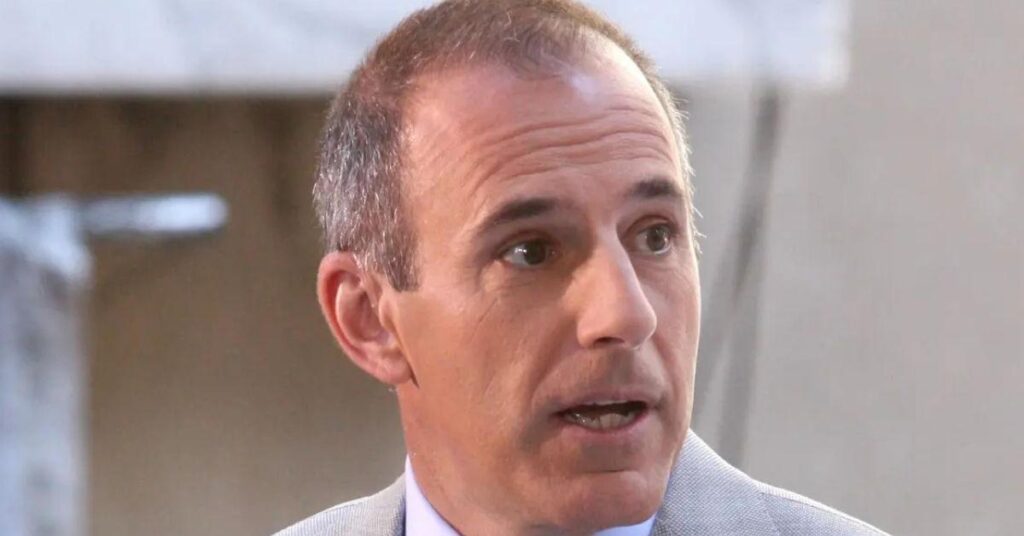
Brooke Nevils, a name that has recently surfaced in the media, is poised to share her story in an upcoming memoir. This revelation comes following her allegations against Matt Lauer, a former NBC anchor, claiming he assaulted her. But what happens when someone takes a stand against a powerful figure? Many wonder how such an act can impact one’s life. In this article, we’ll delve into the aftermath of Nevils’ allegations, the psychological toll of speaking out, and the broader implications for society.
Understanding the Impact of Speaking Out
When you decide to share your truth, especially against someone prominent, the emotional and mental repercussions can be overwhelming. Brooke’s journey illustrates this struggle. After coming forward with her accusations, she experienced a profound sense of isolation. Many survivors of sexual assault report feeling a mix of empowerment and vulnerability after taking such a brave step. Have you ever thought about the weight of that decision?
Brooke Nevils’ Experience
Nevils’ story is not just about her allegations; it’s about the fallout. She faced intense scrutiny and judgment. Friends, colleagues, and even strangers weighed in on her choices. The stigma associated with these claims can lead to a downward spiral for many survivors. It raises the question: Why is society often quick to blame the victim rather than support them?
The Psychological Toll of Allegations
Navigating the aftermath of reporting an assault can be exhausting. After going public, many individuals find themselves battling anxiety, depression, and a sense of betrayal. When you expose yourself to the world, the vulnerability can become paralyzing. For Nevils, the emotional turmoil was real and profound, leading her to question her own worth and safety.
Cultural Implications of the #MeToo Movement
The #MeToo movement has changed the conversation around sexual assault and harassment. It has empowered many to share their stories, but it also highlights the risks involved. As more people come forward, the challenge remains: how do we create a supportive environment for survivors?
– Encourage open dialogues about consent.
– Foster safe spaces for sharing experiences.
– Advocate for systemic change within institutions.
These steps are vital for shifting societal attitudes. But, don’t you think it starts with understanding and empathy?
Future Considerations for Survivors
As we reflect on Brooke Nevils’ journey, it’s essential to consider what lies ahead for survivors who share their stories. The road to healing is often long and winding. Support systems, both personal and communal, play a crucial role in recovery.
Moreover, the conversation must continue. How do we ensure that those who come forward feel safe and supported? The answer lies in collective action and unwavering support.
In essence, the journey of speaking out is complex and multifaceted. The bravery it takes to share one’s story can lead to profound changes, not just for the individual but for society as a whole.