




















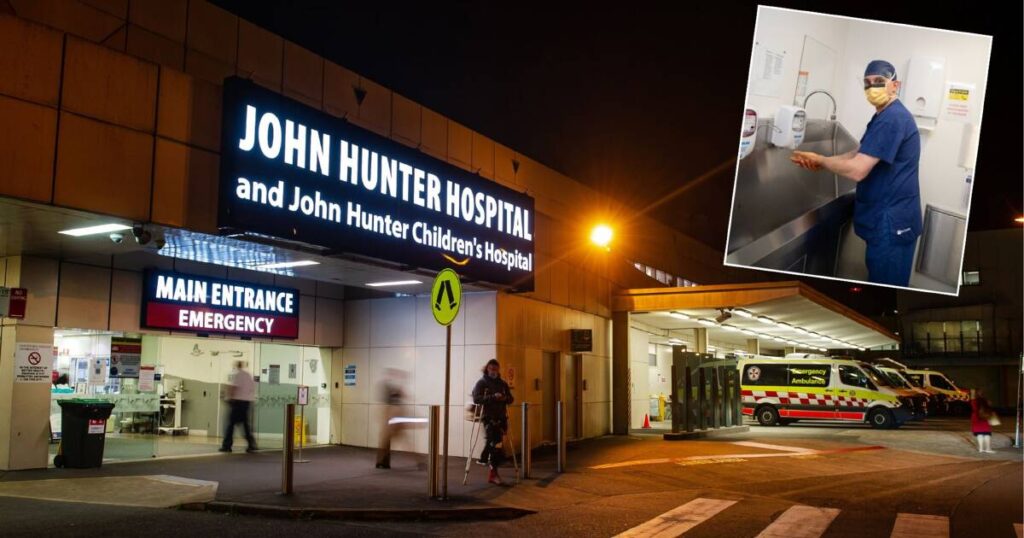

Being stuck in the emergency department (ED) can be an overwhelming experience. Have you ever found yourself waiting for hours, only to discover that the hospital system is under immense strain? You’re not alone. Many patients are experiencing similar frustrations, and understanding the root causes can help you navigate this challenging situation. This article will delve into the reasons why the hospital system is struggling, how it affects you as a patient, and what you can do to make the process a bit smoother.
Understanding the Overcrowding in Emergency Departments
Emergency departments are often overcrowded, which can lead to longer wait times and increased stress for patients. But why is this happening? A few factors contribute to this pressing issue:
These elements create a perfect storm, causing delays and frustrations. So, how can you expect timely care when the system is overwhelmed?
The Impact of System Failures on Patient Care
When you’re in need of urgent medical attention, the last thing you want is to be caught in a chaotic environment. Unfortunately, system failures can significantly impact your experience in the ED. Here are a few consequences you might face:
Isn’t it concerning that the very place designed to provide urgent care can sometimes inadvertently compromise your health?
What You Can Do to Navigate the Emergency Department
While you can’t change the overall system, there are steps you can take to enhance your experience in the ED. Consider these strategies:
By being proactive, you can help ensure that you receive the best possible care, even in a strained system.
The Bigger Picture: Addressing Systemic Issues
It’s crucial to recognize that the challenges faced in emergency departments reflect broader systemic issues within healthcare. Addressing these problems requires collective action and advocacy. Here are some focal points:
Ultimately, while individual strategies can help you navigate the ED, systemic change is vital for long-term improvements. Your voice matters in this conversation.