


















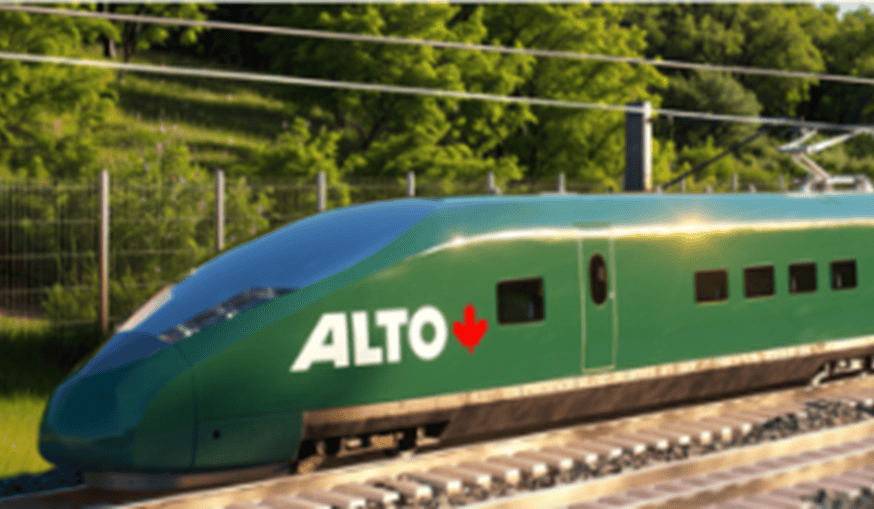

High-speed rail is not just a dream anymore; it’s quickly becoming a reality for Canada. The ambitious project led by Alto aims to revolutionize transportation across the country, connecting major cities with unprecedented speed and efficiency. With an estimated cost ranging from $60 billion to $90 billion, the investment is substantial, but the potential benefits are even more significant. Have you ever imagined zipping from Toronto to Montreal in less than two hours?
In this article, we’ll delve into the financial aspects of this monumental undertaking, explore the projected routes, and discuss the long-term implications for both passengers and the Canadian economy. Get ready to discover how high-speed rail could transform your travel experience while also shaping the future of infrastructure in Canada.
Understanding the Financial Breakdown of Alto’s High-Speed Rail
To grasp the scale of this project, it’s essential to look at the two main cost categories involved:
These two categories form the backbone of Alto’s financial planning and reveal just how extensive the project’s requirements are.
Capital Investment Insights
Before construction even commences, a great deal of groundwork is necessary. This includes:
Alto emphasizes that while initial estimates are available, they are merely the starting point. As the project evolves, more precise figures will emerge. The company reassures stakeholders that further development will yield clearer insights into costs, including final rail alignment and the types of materials needed.
Revenue Generation: A Financial Perspective
You might wonder how Alto plans to fund ongoing operations. The answer lies in its potential for revenue generation. Once operational, the rail system is expected to attract millions of passengers annually, generating income that could cover maintenance and operational costs. In fact, based on global high-speed rail examples, there’s a possibility for exceeding these costs, creating a surplus.
However, it’s crucial to note that while passenger revenue can be significant, it won’t cover the initial capital investment or all lifecycle expenses. Still, the advantages of establishing high-speed rail in Canada far outweigh the financial hurdles, according to the company.
International Comparisons: Where Does Canada Stand?
When assessing the costs of Alto’s project, it’s important to compare them on an international scale. The estimated capital cost of $60 million to $90 million per route-kilometer aligns closely with the global average of about $77 million per kilometer for high-speed rail. Factors such as geography, labor costs, and project scope can influence these figures, but Alto’s estimates seem quite competitive.
Building a high-speed rail network is no small feat. It requires careful planning and extensive investment, but the long-term benefits are likely to outweigh the initial expenditures. As the project progresses, the financial landscape will undoubtedly shift, paving the way for a new era in Canadian transportation.
As you consider the future of travel in Canada, it’s clear that this high-speed rail initiative has the potential to reshape how we connect with one another. Wouldn’t you want to be part of this exciting journey?