



















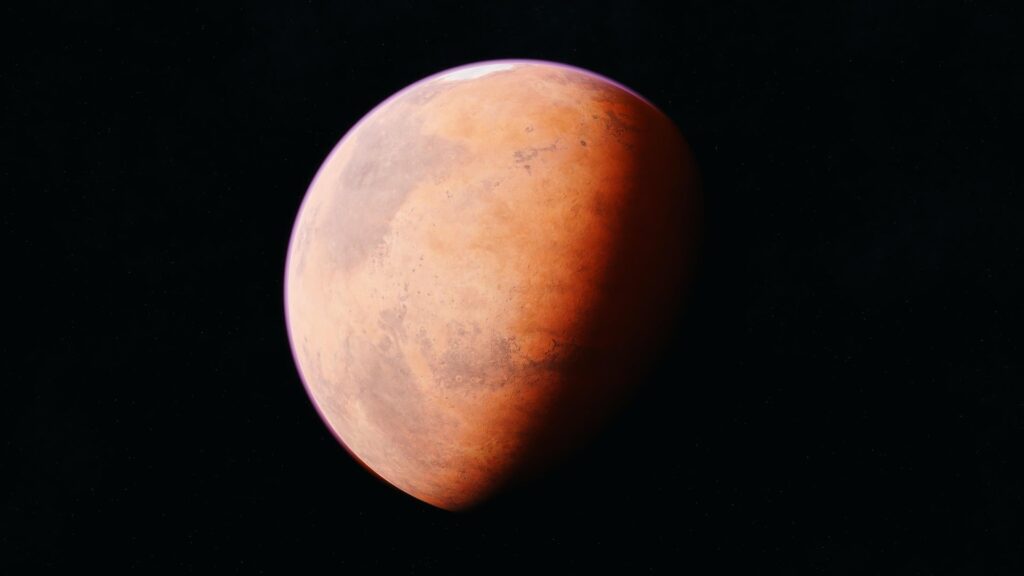
The exploration of celestial bodies like the Moon and Mars has always fascinated humanity. Have you ever wondered how we gather critical information about these distant places? Thanks to advanced satellites, scientists can now unlock secrets beyond our planet. These orbiting machines capture invaluable data that helps us understand the geological features, atmospheres, and potential for life on these moons and planets. In this article, we’ll delve into the remarkable contributions of satellites orbiting the Moon and Mars, exploring how they enhance our knowledge and influence future explorations. Get ready to discover the incredible technology behind these missions and the insights they provide.
Understanding the Role of Satellites in Lunar Exploration
Satellites have revolutionized our approach to studying the Moon. For instance, missions like NASA’s Lunar Reconnaissance Orbiter (LRO) have been pivotal. This satellite captures high-resolution images, revealing intricate details of the lunar surface. Such detailed observations allow scientists to analyze the Moon’s topography and understand its geological history.
The LRO has documented various features, including craters, lava plains, and polar regions. But it doesn’t stop there. It also measures temperature variations, which can provide clues about the Moon’s composition. All of this data contributes to a more comprehensive understanding of our natural satellite.
Key Discoveries from Moon-Orbiting Satellites
Satellite missions have unearthed remarkable findings about the Moon. Here are some of the most significant revelations:
Moreover, these discoveries spark excitement about future lunar missions. Could there be potential for human habitation? The insights gathered by satellites pave the way for further exploration and research.
The Impact of Mars-Orbiting Satellites
When it comes to Mars, satellites like the Mars Reconnaissance Orbiter (MRO) play a critical role. This satellite is equipped with powerful cameras and sensors that provide a wealth of information about the Martian landscape. By analyzing Martian surface features, scientists can infer past water activity, which is crucial for understanding the planet’s potential for life.
The MRO has delivered stunning images of canyons, dunes, and even ancient riverbeds. Additionally, it has helped identify seasonal changes on the planet, suggesting that liquid water may still exist beneath the surface.
Essential Findings from Mars Satellites
The knowledge gained from Mars-orbiting satellites has transformed our understanding of the planet. Consider these noteworthy findings:
These insights not only inform current missions but also fuel future aspirations for Mars exploration.
Technology Behind Satellite Missions
The technology that powers these satellites is nothing short of impressive. Advanced imaging systems, spectrometers, and radar allow for comprehensive surface analysis. These tools enable scientists to gather data that would be impossible to obtain from the ground.
Moreover, these satellites are designed to function in harsh environments. They can withstand extreme temperatures and radiation, making them resilient explorers. As technology continues to advance, we can expect even more sophisticated missions in the future.
The Future of Space Exploration
As we look to the future, the role of satellites in space exploration will only expand. Upcoming missions aim to enhance our understanding of both the Moon and Mars, with a focus on potential human exploration. With every new satellite launched, we inch closer to answering profound questions about our solar system.
So, what’s next? Researchers are planning missions that will not only gather data but also test new technologies for human exploration. The knowledge gained from these satellites is invaluable, shaping our journey into the cosmos.