



















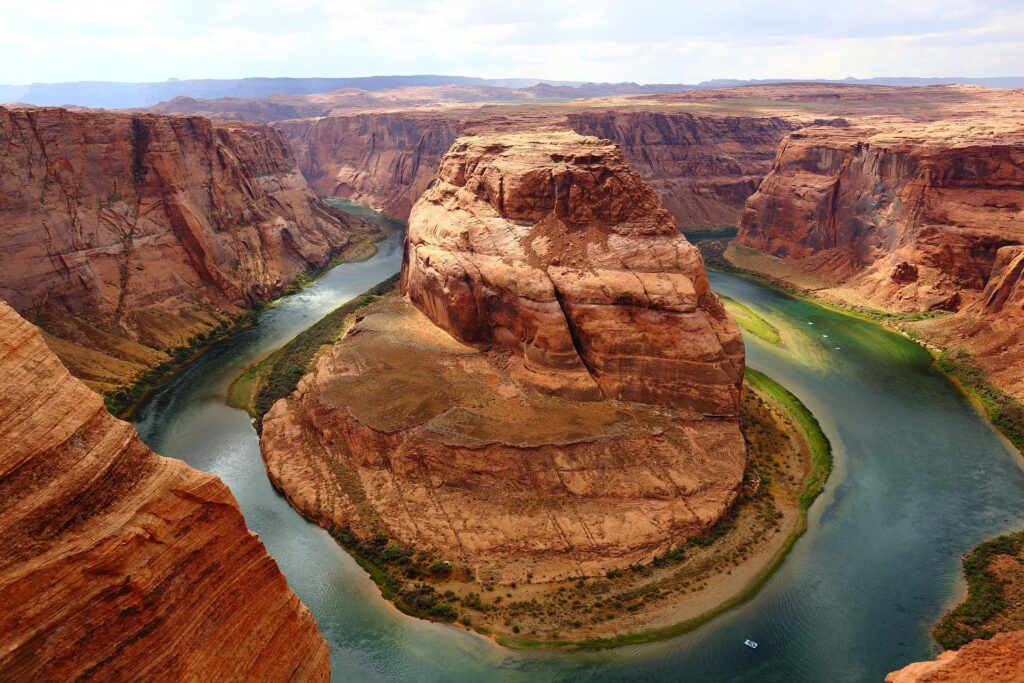
In recent years, researchers have uncovered fascinating evidence pointing to a massive cliff that once traversed ancient North America, stretching for thousands of kilometers. This geological feature, known as the Great Unconformity, holds secrets about our planet’s history and evolution. But what exactly does this mean for our understanding of Earth’s past? The discovery of such monumental structures not only sheds light on the geological processes that shaped our land but also raises questions about the environmental conditions during the time it existed.
In this article, we’ll delve into the details of this remarkable cliff, explore its impact on our knowledge of geological history, and discuss why it matters today. You’ll discover how this ancient formation influences our understanding of sedimentary layers and what it reveals about climate changes and the life forms that inhabited the region millions of years ago. Get ready to uncover the mysteries of a remarkable geological treasure!
Understanding the Great Unconformity
The Great Unconformity represents a significant gap in the geological record. It marks a period where older rock layers abruptly stop, and younger sediments begin. This phenomenon can be observed in various locations across North America. But how did this geological oddity come to be?
By studying these layers, scientists gain valuable information on the conditions that prevailed during different geological eras.
The Significance of Geological Discoveries
You might wonder why understanding the Great Unconformity is crucial. Well, it not only enhances our knowledge of Earth’s history but also informs us about past biodiversity. By examining the types of sediments found above and below the unconformity, researchers can piece together a timeline of life on Earth.
Understanding ancient ecosystems helps us grasp how life adapts to changing climates. For instance, the fossil records associated with these layers provide clues about prehistoric organisms and their environments.
Climate Change Insights from the Cliff
Interestingly, the study of the Great Unconformity offers valuable insights into climate change. By analyzing sediment composition and fossil evidence, scientists can identify patterns that reflect ancient climate conditions.
Cultural and Historical Context
Moreover, this geological marvel is not only a scientific treasure but also a cultural one. Indigenous peoples have long recognized the significance of such formations in their histories and traditions. The Great Unconformity resonates within local narratives, often symbolizing the deep connection between land and identity.
Appreciating these cultural perspectives enriches our understanding of the landscape. It reminds us that our geological history is intertwined with human history.
Future Research Directions
As scientists continue to explore the Great Unconformity, new methods and technologies are emerging. Advanced techniques like remote sensing and geochemical analysis are providing deeper insights into this ancient formation.
So, as you can see, the Great Unconformity is more than just a cliff; it’s a window into Earth’s past that continues to intrigue scientists and historians alike. What new discoveries await us in the layers of history hidden beneath our feet?