
















Kevin Hart Praises Tony Hinchcliffe’s Roast Performance Amid Controversy
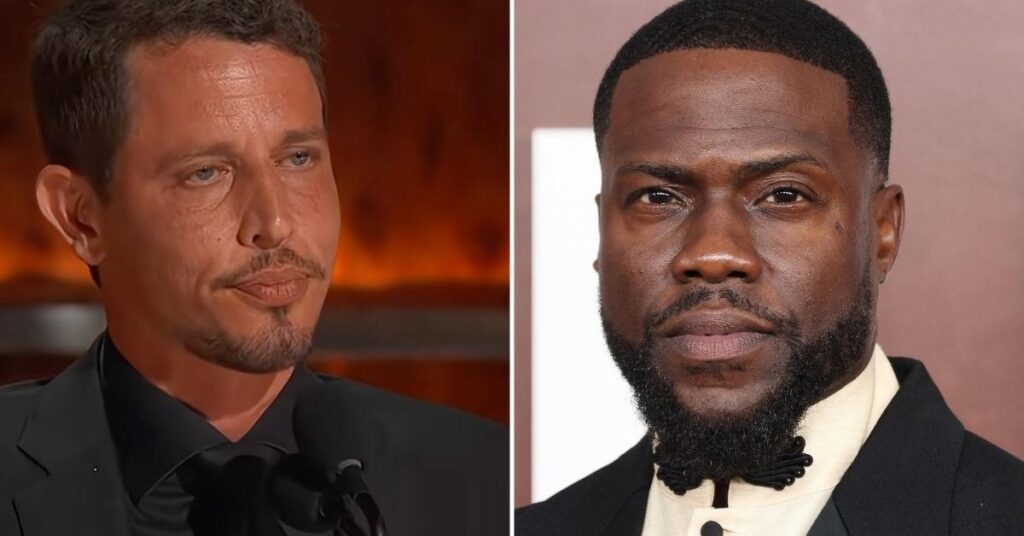
When it comes to comedy, few things ignite as much debate as a roast. Recently, comedian Kevin Hart stirred up conversation by labeling Tony Hinchcliffe’s performance at his roast as one of the «best sets» he had ever witnessed. This revelation comes despite significant backlash surrounding a particular joke Hinchcliffe made about George Floyd. So, what does this say about the nature of comedy and its boundaries?
In this article, we’ll explore the dynamics of roasts, the fine line comedians walk with their material, and Hart’s perspective on humor in the face of controversy. You’ll also discover why some jokes can provoke strong reactions while others may be celebrated. Let’s dive deeper into this fascinating world where laughter meets sensitivity.
Understanding the Roast Culture
Roast events are a unique form of entertainment. They bring together comedians who aim to poke fun at one another, often crossing lines that traditional stand-up might avoid. But why do we find this format so captivating? Here are a few reasons:
Yet, with this freedom comes responsibility. Comedians must navigate their material carefully, balancing humor and respect.
The Controversy Surrounding Hinchcliffe’s Joke
Tony Hinchcliffe’s joke about George Floyd raised eyebrows and sparked discussions on social media. Many felt that he crossed a line, given the serious implications surrounding Floyd’s death. But why did Hart still commend Hinchcliffe’s performance?
Hart believes in the power of comedy to push boundaries. He sees the ability to laugh at dark subjects as a vital aspect of coping with societal challenges. However, this perspective isn’t universally accepted. Critics argue that certain topics should remain off-limits, especially when they touch on sensitive social issues.
The Role of the Audience in Comedy
Audience reception plays a crucial role in determining whether a joke lands or falls flat. What one person finds hilarious, another may view as offensive. This disparity highlights the subjective nature of humor.
During Hinchcliffe’s roast, reactions varied widely. Some attendees roared with laughter, while others sat in silence, uncomfortable with the content. This dichotomy raises a vital question: How can comedians gauge their audience’s tolerance for edgy material?
Kevin Hart’s Perspective on Humor
Kevin Hart is no stranger to controversy himself. His career has been marked by moments that sparked public debate. Yet, Hart remains an advocate for the freedom of expression in comedy. He often emphasizes that comedy should serve as a reflection of society, including its flaws.
By calling Hinchcliffe’s performance one of the best, Hart champions the idea that comedians should not shy away from challenging topics. He argues that laughter can be a powerful tool for healing and understanding.
Final Thoughts on Comedy’s Boundaries
The ongoing dialogue about what is acceptable in comedy is far from over. As audiences evolve, so do the expectations of comedians. The challenge lies in finding the right balance between humor and sensitivity.
What do you think? Should comedians push boundaries, or are there lines that shouldn’t be crossed? As you navigate the world of comedy, consider how you define humor and its place in contemporary culture.