


















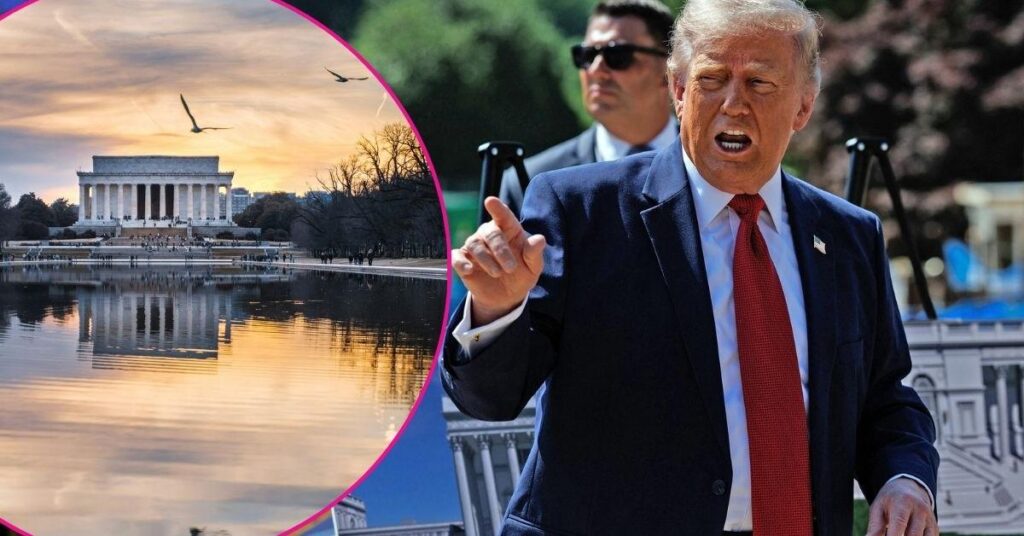
Donald Trump’s recent comments about the Lincoln Memorial Reflecting Pool have sparked a wave of reactions, blending humor with criticism. When he mistakenly referred to this iconic landmark as a «lake» that he intended to «waterproof,» many were quick to respond with ridicule. But what does this reveal about his understanding of American history and monuments? In this article, we’ll dive into the nuances of this incident, exploring public reactions, the significance of the Reflecting Pool, and the broader implications of such misstatements.
Understanding the Lincoln Memorial Reflecting Pool
The Lincoln Memorial Reflecting Pool is not just a body of water; it holds profound historical significance. Located between the Lincoln Memorial and the Washington Monument, this pool symbolizes the ideals of unity and peace. Did you know it stretches about 2,028 feet long? It serves as a backdrop for numerous important events, including Martin Luther King Jr.’s «I Have a Dream» speech.
However, referring to it as a «lake» oversimplifies its importance. It’s essential to appreciate the cultural and historical context surrounding this landmark. So, why do such comments matter? They shape public perception and understanding of American heritage.
Public Reactions and Social Media Buzz
When Trump made his remarks, social media erupted with laughter and disbelief. People took to platforms like Twitter and Facebook to express their thoughts, leading to a flurry of memes and jokes.
This incident highlights how public figures can unintentionally spark conversations about history, even if the initial comment was misguided.
The Broader Implications of Misstatements
Misstatements like these can have far-reaching effects. They not only reflect an individual’s grasp of history but also influence how the public engages with cultural landmarks. When a leader makes a gaffe about something as significant as the Reflecting Pool, it can lead to misunderstandings about the importance of our national symbols.
Moreover, these comments can also be a catalyst for educational discussions. They prompt questions about why we should care about historical sites and what they represent. Shouldn’t we all strive for a better understanding of our heritage?
Final Thoughts on Historical Awareness
Ultimately, moments like these serve as reminders. They remind us of the importance of historical awareness and the need for accurate communication. While humor can be a natural response, it’s crucial to engage thoughtfully with the topics at hand.
After all, the way we discuss our history shapes the narrative for future generations. So, what do you think? Should we take misstatements lightly, or do they warrant a deeper examination of how we perceive and talk about history?