



















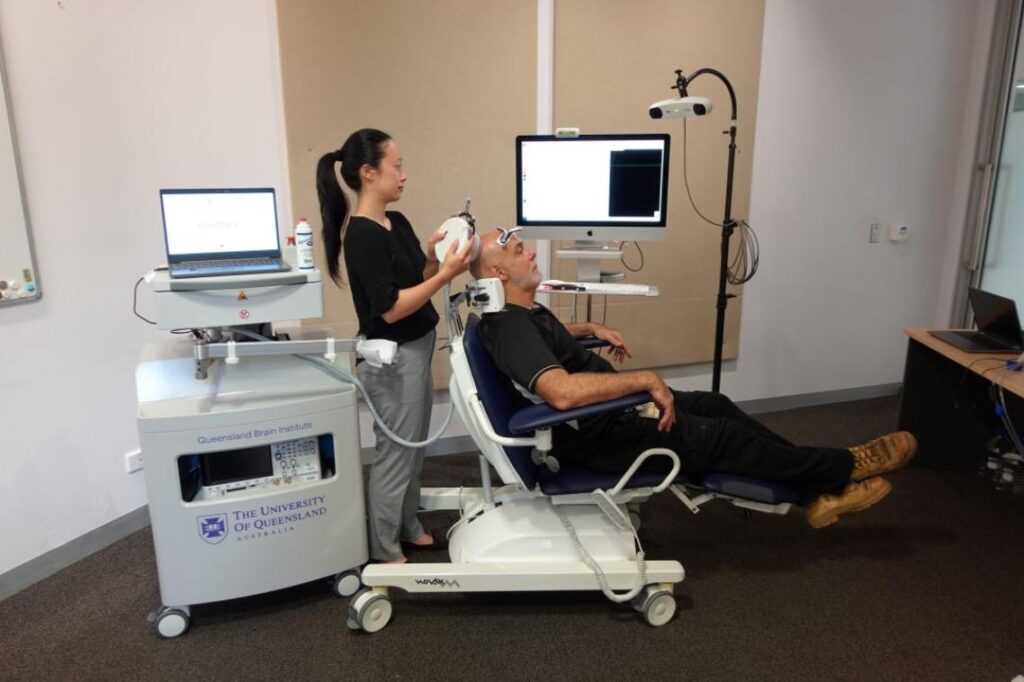
Alzheimer’s disease is a condition that affects millions worldwide, sparking concern among families and healthcare professionals alike. Recently, innovative approaches like scanning ultrasound have emerged as a potential avenue for treatment. But what exactly does this mean for those at risk or living with Alzheimer’s? How can a technology typically associated with imaging be repurposed to combat such a complex condition?
In this article, we will delve into the latest findings regarding the safety and tolerability of scanning ultrasound as a treatment for Alzheimer’s. You’ll discover how this method works, its benefits, and its place in the broader landscape of Alzheimer’s research. By shedding light on this cutting-edge development, we aim to provide a clearer understanding of how science is evolving to tackle this daunting disease.
The Mechanism Behind Scanning Ultrasound in Alzheimer’s Treatment
Scanning ultrasound employs sound waves to penetrate the brain tissue. This technique helps to target and break down amyloid plaques—protein clusters that are a hallmark of Alzheimer’s. The gentle pulses can stimulate cellular processes that may enhance brain function. But, how does this translate to real-world applications?
- The ultrasound waves are non-invasive, meaning they can be applied without surgery.
- They are designed to safely permeate the skull, allowing for direct interaction with brain tissues.
- This method has shown promise in preliminary studies by improving cognitive functions in some patients.
Imagine being part of a study where a simple ultrasound could make a difference in your cognitive health. With ongoing research, scientists are continuously gathering data to refine this technique for wider use.
The Safety Profile: What the Research Says
In clinical trials, the safety of scanning ultrasound has been a focal point. Initial findings suggest that it is generally well tolerated among participants. But what does “well tolerated” really mean in this context?
- Participants reported minimal discomfort during sessions.
- There were no serious adverse effects linked to the ultrasound treatment.
- Follow-up assessments indicated stable cognitive functions in most subjects.
Isn’t it reassuring to know that this innovative approach doesn’t seem to pose significant risks? Researchers are committed to closely monitoring long-term outcomes to ensure that any potential side effects are effectively managed.
Potential Benefits Beyond Alzheimer’s
While the primary focus is on Alzheimer’s, the implications of scanning ultrasound could extend to other neurological conditions. Think about it—could this technology help with other forms of dementia or even Parkinson’s disease? The answer is still unfolding as studies progress.
- Enhanced cognitive clarity could improve overall quality of life.
- This method may offer new therapeutic routes for conditions resistant to traditional treatments.
- It aligns with the growing trend of personalized medicine, tailoring interventions to individual needs.
As you consider these possibilities, the future of neurological treatment seems increasingly hopeful.
Next Steps in Research and Development
The journey doesn’t end here. Researchers are ramping up efforts to further investigate the long-term effects and overall efficacy of scanning ultrasound. With clinical trials expanding, it’s crucial to stay updated on new developments.
Moreover, you might wonder how soon this could become a standard treatment. While it’s hard to predict exact timelines, the momentum in this area is undeniable. Each study brings us closer to understanding how to effectively incorporate this technology into clinical practice.
As we explore the future of Alzheimer’s treatment, remember that advances like scanning ultrasound represent a beacon of hope in the battle against this challenging disease.