



















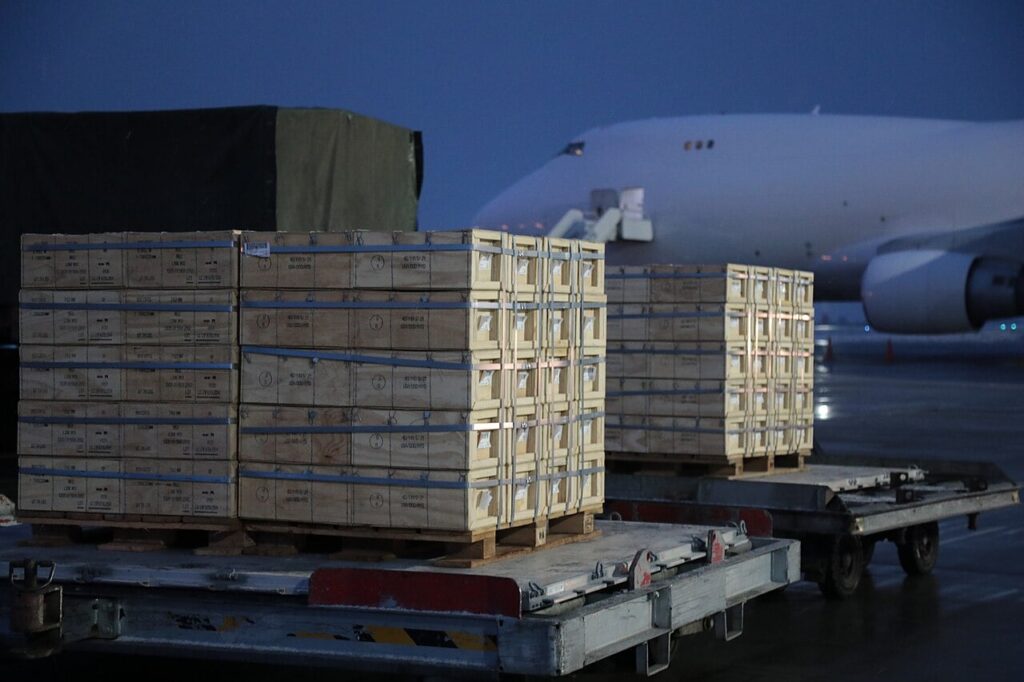
Since the onset of the Russian invasion in 2022, Ukraine’s airspace has been largely closed to international flights. This significant shift has far-reaching implications not only for travel but also for the nation’s economy and humanitarian efforts. Have you ever considered how a country’s connectivity affects its resilience during crises? In this article, we will explore the impact of the ongoing conflict on Ukraine’s aviation sector, the challenges faced by travelers, and the broader repercussions on international relations and humanitarian aid.
We’ll delve into the current state of Ukraine’s airports, examine the alternatives available for travel and logistics, and discuss the implications for both Ukrainians and international communities. Strap in as we navigate the complexities of air travel in a war-torn nation.
The Current State of Air Travel in Ukraine
Understanding the current situation is crucial. Since early 2022, international airports across Ukraine have ceased operations due to safety concerns and military actions. Consequently, major hubs like Boryspil International Airport in Kyiv remain closed, leaving travelers stranded and affecting millions.
Alternatives for Travel and Logistics
So, what options do travelers and businesses have? While direct flights are unavailable, various alternatives have emerged. For instance, many travelers now fly into nearby countries and then use land transportation to enter Ukraine.
Yet, these alternatives present their own challenges, including border delays and increased logistical costs.
Impact on Humanitarian Efforts
The closure of airports significantly hampers humanitarian efforts. Organizations rely on air transport for quick delivery of aid, medical supplies, and food. With airports shut down, the urgency of these needs has intensified.
This situation raises an essential question: How can the global community adapt to ensure that aid reaches those in need?
Broader Implications for International Relations
The aviation crisis in Ukraine reverberates beyond its borders. Countries that once had strong ties with Ukraine are now reassessing their diplomatic strategies.
This evolving landscape showcases the delicate balance between support for Ukraine and the need for diplomatic negotiations.
Conclusion
As we navigate this complex situation, it’s clear that the ramifications of the aviation crisis in Ukraine reach far and wide. While we’ve outlined the current state of affairs and the challenges faced, the ongoing conflict continues to shape the future of air travel and international relations. Stay tuned as developments unfold, and consider how these changes might affect not just Ukraine, but the entire global community.