




















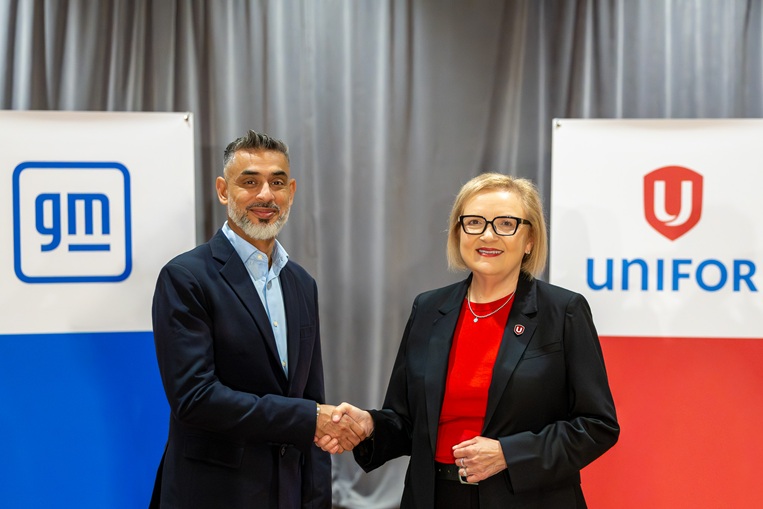

Unifor and General Motors: A New Chapter for Workers
In a significant development for the automotive workforce, Unifor has struck tentative agreements with General Motors (GM), impacting over 4,600 union members. This includes approximately 2,700 employees at the Oshawa Assembly Plant. What does this mean for workers and the future of the automotive industry in Canada? In this article, we’ll explore the details of these agreements, the negotiation process, and what it signifies for labor relations in the sector.
Details of the Agreements
The recent agreements have garnered unanimous support from the Unifor General Motors Master Bargaining Committee. They encompass members from various Unifor locals, specifically Locals 222, 88, 199, and 636. These unions represent employees not just at the Oshawa Assembly Plant, but also at the CAMI Assembly Plant in Ingersoll, the St. Catharines Propulsion Plant, and the Woodstock Parts Distribution Centre.
Members will have the opportunity to review the specifics of these agreements during ratification meetings scheduled for August 29-30. This is a crucial moment where workers will voice their opinions and vote on the proposals.
Negotiation Background
Negotiations between Unifor and GM kicked off on August 10, following the successful ratification of a collective agreement pattern with Ford Motor Company. This backdrop sets a pivotal tone for the discussions, emphasizing the importance of solidarity and collective bargaining in the automotive sector.
Unifor stands as Canada’s largest private sector union, representing a robust 320,000 workers across various industries. The organization’s mission revolves around advocating for workers’ rights, equality, and social justice, both locally and internationally.
The Impact on Workers
So, what does this mean for the workers involved? The tentative agreements are designed to enhance job security, improve working conditions, and potentially boost wages. These elements are vital in an industry that has faced significant challenges in recent years, including shifts in consumer preferences and market dynamics.
By uniting under Unifor, workers gain a collective voice, allowing them to negotiate more effectively with major corporations like GM. This is not just about securing better terms; it’s about establishing a framework for future negotiations and ensuring that workers’ rights are upheld.
A Broader Perspective on Labor Relations
The agreements with GM also reflect a broader trend in labor relations within Canada. Unifor’s approach advocates for progressive change, signaling a shift towards more equitable treatment of workers in the automotive industry. The union’s role is not just to negotiate contracts but to foster an environment where workers feel valued and empowered.
As we look forward, the outcomes of these agreements may set a precedent for future negotiations across the industry. How will other automakers respond? Will this inspire more unions to take similar stands?
Community and Economic Relevance
The automotive sector is a cornerstone of the Canadian economy, and developments within it resonate beyond the factory floor. The agreements could have ripple effects on local economies, job creation, and community stability. By prioritizing workers’ rights, Unifor not only advocates for its members but also champions a more sustainable and equitable economic landscape.
In conclusion, the tentative agreements between Unifor and GM signify more than just contractual negotiations; they represent a commitment to fostering a fair and just working environment. As these discussions unfold, the eyes of the nation will be on the automotive industry, eagerly anticipating the outcomes that will shape both workers’ futures and the broader economic landscape.