




















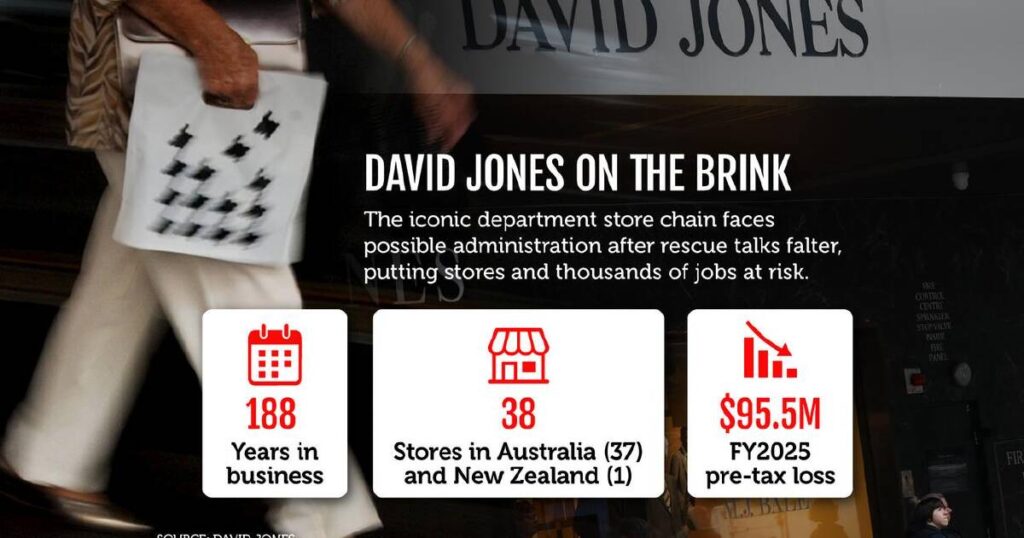

David Jones: A Retail Giant Faces Administration After 188 Years
The retail landscape is evolving rapidly, and it’s hard to ignore the recent news surrounding David Jones, a storied department store chain that has been a staple for nearly two centuries. As a consumer, you might be wondering: what does this mean for shoppers and the future of retail? With David Jones entering administration, it raises questions about the challenges that traditional retailers face in today’s digital age.
In this article, we’ll delve into the factors leading to this historic moment, explore the implications for consumers and employees, and examine the future of retail in a world dominated by online shopping. By understanding the dynamics at play, you can better navigate your own shopping habits and preferences.
The Factors Behind David Jones’ Administration
It’s crucial to grasp the reasons driving David Jones into administration. Over the years, several key issues have contributed to its decline:
Many of these factors are interconnected. For instance, as online shopping gains traction, traditional stores are compelled to rethink their strategies. Have you noticed how your own shopping habits have changed over the years?
Implications for Consumers and Employees
As David Jones transitions into administration, the consequences extend beyond the company itself. For consumers, this could mean:
However, it’s not just customers who will feel the effects. Employees face significant challenges during this time. Many might worry about job security, while others could find themselves reassessing their career paths. How would you feel if you were in their shoes?
The Future of Retail: Adaptation and Innovation
Looking ahead, it’s clear that the retail sector must adapt to survive. Here are some trends to keep an eye on:
As a shopper, staying informed about these trends can help you make better choices and understand the retail landscape. Have you ever considered how these changes might affect your favorite stores?
In essence, the story of David Jones illustrates the challenges faced by traditional retailers today. While the future may seem uncertain, it’s also brimming with opportunities for those willing to adapt and innovate.