




















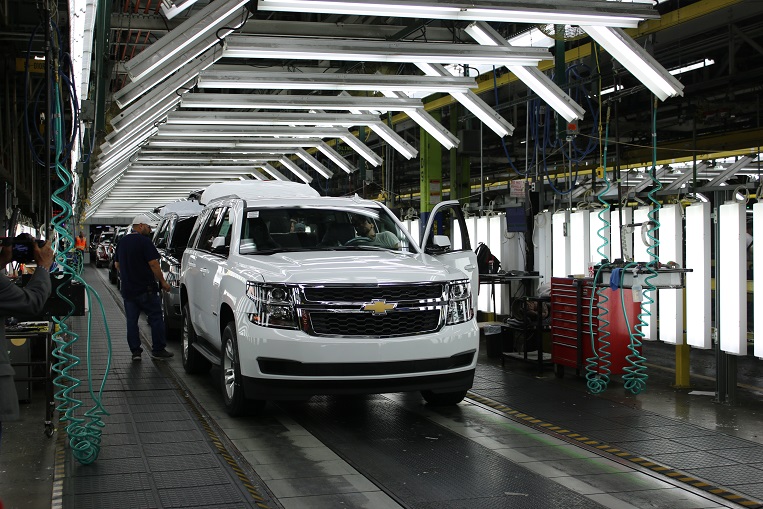

The Canadian automotive industry is navigating turbulent waters, particularly in light of the ongoing trade tensions with the U.S. However, recent financial backing from both federal and Ontario governments, amounting to a staggering $2.5 billion, aims to bolster this crucial sector. This investment is particularly significant for workers at the Oshawa GM plant and the Stellantis facility in Brampton, where uncertainty looms. Have you ever wondered how such large-scale financial interventions can impact local economies and job security?
In this article, we’ll explore the implications of this funding, the challenges faced by auto workers, and the broader context of Canada’s automotive landscape. You’ll discover how the union’s efforts are pivotal in shaping a sustainable future for the industry and what it means for the thousands of workers relying on these jobs.
Importance of the $2.5 Billion Investment in the Auto Industry
The recent $2.5 billion investment represents more than just a financial boost; it symbolizes a commitment to the future of Canada’s automotive sector. As companies face challenges like tariff disputes, this funding is expected to facilitate the adoption of advanced machinery and modern production techniques. This is crucial for maintaining competitiveness in an ever-evolving market. By investing in upgrades, automakers can enhance efficiency and productivity, which ultimately benefits workers.
Current Challenges Facing Auto Workers
Despite this promising investment, challenges remain. The GM plant in Oshawa has already experienced reductions in shifts, leading to concerns among employees about job security. Meanwhile, negotiations between Unifor and Stellantis are stalled, primarily due to the company’s plans to transition the Brampton plant to a defense contractor. This shift could eliminate vehicle production in Brampton, jeopardizing thousands of local jobs.
Unifor is also focused on ensuring a stable future for Stellantis’ facilities in Windsor and Etobicoke, as well as addressing issues at the General Motors CAMI plant in Ingersoll. The stakes are high, and the union is advocating for a strategic approach that prioritizes Canadian jobs.
The Role of Unifor in Shaping Policy
Unifor, representing 320,000 workers across various sectors, plays a vital role in advocating for policies that protect and promote Canadian manufacturing. The union is pushing for public investments to come with enforceable commitments that guarantee Canadian production and job security. This is essential to prevent investments from being shifted to countries with lower production costs.
Moreover, Unifor is urging the federal government to enhance its industrial strategy for the auto sector. They argue that Canadian-made vehicles should be prioritized over those manufactured offshore with minimal domestic content. This shift could create a more robust local economy and ensure that workers benefit from these investments.
Looking Ahead: The Future of Electric Vehicles
Another critical aspect of the conversation is the growing market for electric vehicles (EVs). The union is calling for a reconsideration of the current stance on Chinese EV imports. Building a competitive domestic supply chain for electric vehicles could not only secure jobs but also position Canada as a leader in the green automotive revolution.
In this evolving landscape, the necessity for a well-rounded strategy that encompasses not just funding but also supportive policies is more evident than ever. As the industry adapts to new demands, the focus on innovation and sustainability will be key to ensuring a thriving future.
While the $2.5 billion investment offers hope, it’s clear that the path forward requires ongoing commitment and collaboration among stakeholders. The well-being of the workers in this vital sector depends on thoughtful strategies that prioritize job security, innovation, and sustainable practices.