



















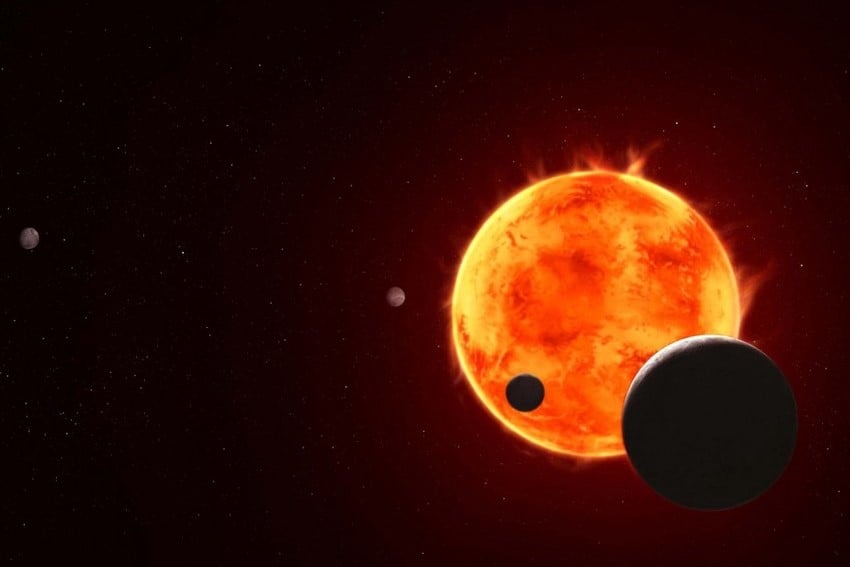
Have you ever wondered about the possibilities of life beyond Earth? The discovery of the TRAPPIST-1 system has reignited our curiosity regarding extraterrestrial environments. This intriguing system, located about 40 light-years away, features seven Earth-sized planets that orbit a red dwarf star. Among these, one planet stands out, captivating scientists and enthusiasts alike.
In this article, we will delve into the unique characteristics of the TRAPPIST-1 planets, focusing on the potential for habitability and what makes them so fascinating. We will explore their atmospheres, surface conditions, and the implications for the search for life beyond our home planet. By the end, you will have a clearer understanding of why TRAPPIST-1 is a focal point in the ongoing quest to find life in the universe.
Exploring the TRAPPIST-1 System
The TRAPPIST-1 system is unlike anything we’ve seen before. It consists of seven Earth-sized worlds, all orbiting a single star. This arrangement offers a unique opportunity to study how different planets can evolve under similar conditions.
The planets are designated TRAPPIST-1b through TRAPPIST-1h. What’s remarkable is their proximity to their host star. Due to the cooler nature of red dwarf stars, these planets lie within the «habitable zone,» where temperatures could allow for liquid water—an essential ingredient for life.
Analyzing the Habitability of TRAPPIST-1 Planets
When it comes to habitability, scientists pay close attention to several factors.
By examining these factors, researchers aim to identify which of the TRAPPIST-1 planets could potentially harbor life.
Significance of Liquid Water
Why is liquid water so crucial in the search for life? Water serves as a solvent for biochemical reactions, making it vital for all known forms of life. The TRAPPIST-1 planets are tantalizing because they sit in the habitable zone where conditions may permit the existence of liquid water.
Furthermore, scientists are particularly interested in TRAPPIST-1e, f, and g, as they are located in the most promising part of this zone. The presence of water, whether in oceans or as vapor, could indicate the potential for life.
Future Exploration and Research
As technology advances, the prospects for studying the TRAPPIST-1 system become more exciting. Upcoming telescopes and missions are designed to analyze the atmospheres of these planets in great detail.
These tools could provide us with invaluable insights into the conditions on these planets and whether they could support life.
The Cultural Impact of TRAPPIST-1
The fascination with TRAPPIST-1 extends beyond science. It has inspired countless books, movies, and discussions about humanity’s place in the universe. This system has become a symbol of hope and curiosity, pushing us to ponder deep questions about existence and our cosmic neighbors.
As we continue to explore this exciting frontier, the TRAPPIST-1 system serves as a reminder of the endless possibilities awaiting us in the universe. So, what do you think? Could one of these intriguing planets be home to life as we know it?