




















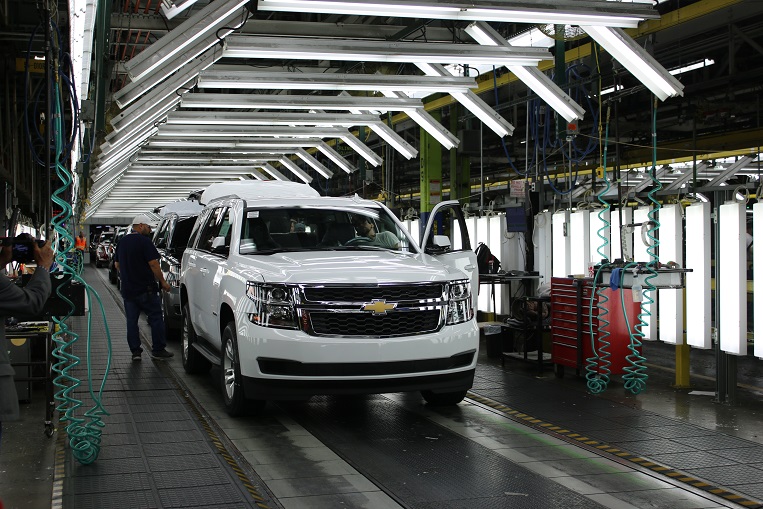

Unifor, Canada’s largest private-sector union, is set to kick off contract negotiations with General Motors today, and this meeting is crucial for thousands of workers. With over 4,600 members working across various GM facilities in Ontario, including the Oshawa Assembly, Ingersoll Assembly, St. Catharines Propulsion, and Woodstock Distribution Centre, the stakes are high. As issues such as job security and fair wages come to the forefront, both union leaders and workers are eager to see progress.
In this article, we’ll explore the significance of these negotiations, the role of Unifor, and what this means for GM employees. What challenges are facing the automotive industry, and how will these discussions impact the workforce? Let’s dive deeper into the context surrounding these talks.
Understanding the Importance of Unifor
Unifor represents a diverse group of over 320,000 workers across Canada, advocating for labor rights and social justice. This powerhouse union not only focuses on wage negotiations but also champions equality and progressive change within the workforce. Recognizing the pivotal role of Unifor in shaping labor policies is essential for understanding the broader implications of these negotiations.
Key Players in the Negotiation Process
Today’s discussions will feature prominent figures such as Lana Payne, Unifor National President, and Trevor Longpre, the Master Bargaining Chairperson for General Motors. Their leadership is vital as they navigate the complexities of labor negotiations.
What specific issues are they likely to address? Here are some critical topics that may arise during the negotiations:
The Current State of GM Oshawa Workers
At the Oshawa Assembly, around 2,000 to 2,400 workers are represented by Unifor. Recently, the workforce has faced challenges, notably with the elimination of the third shift earlier this year, which has raised concerns about job stability. These factors make it imperative for union leaders to secure a favorable contract that addresses workers’ needs.
Impact on the Local Economy
The outcomes of these negotiations are not just crucial for the workers but also for the local economy. The automotive industry plays a significant role in Ontario’s economic landscape. When GM thrives, so do the communities surrounding it. Have you considered how labor negotiations can ripple through the economy? When workers secure fair wages and job security, it leads to increased spending in local businesses, benefiting everyone.
Looking Ahead: What’s Next for Workers?
As the negotiations unfold, both GM and Unifor will be under pressure to reach an agreement that satisfies all parties involved. It’s a delicate balance between maintaining profitability for the company and ensuring fair treatment for the workers. Will the outcome of these talks set a precedent for future negotiations in the automotive sector? Only time will tell, but the stakes are undeniably high.
Stay tuned as we continue to follow the developments in these crucial negotiations that will shape the future for GM workers in Canada.